By Nyang’au Araka
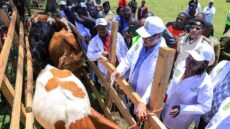
Githunguri MP Gathoni Wamuchomba has blamed the rising cost and poor quality of animal feeds for the declining milk supply in Kenya, disputing the Government’s explanation that the shortage is primarily caused by lack of fodder.
Wamuchomba, a prominent voice on agricultural matters in Parliament, said milk collection in her Githunguri constituency had fallen sharply from about 175,000 litres a day to 140,000 litres.
Also Read
“It’s official, there’s milk shortage in the country,” Wamuchomba said in a post on X, adding that “our problem is not fodder, ours is the COST of production.”
She said the high cost of animal feeds was forcing farmers to abandon dairy farming, while the quality of feeds available in the market was also a growing concern.
The Kenya Dairy Board (KDB) recently reported that formal milk deliveries fell by 3.7 per cent, from 84.4 million litres in June to 81.3 million litres in July, with preliminary indications pointing to a further decline in August.
The Government has attributed the decline mainly to prolonged dry conditions, which have reduced pasture and increased pressure on animal feeds.
Livestock Development Principal Secretary Jonathan Mueke said the country was experiencing “fodder pressure due to lack of rain”.
Agriculture Cabinet Secretary Mutahi Kagwe has similarly linked the shortage to inadequate pasture and feed, as well as brokers offering farmers higher prices for milk than cooperatives can match.
But Wamuchomba argues that the cost of commercial feed is a more fundamental problem for dairy farmers in areas such as Githunguri, where zero-grazing is widespread.
She criticised the implementation of the Finance Act 2026, saying the VAT relief on raw materials used in animal-feed manufacturing had not translated into lower prices for farmers.
“The price of animal feeds didn’t drop a shilling after Finance Bill 2026,” she said.
Tax measures
The Finance Act 2026 took effect largely from July 1, with the Government saying tax measures affecting agricultural inputs and animal-feed raw materials were intended to lower production costs.
The Kenya Dairy Board has estimated the cost of producing a litre of milk at between Sh30 and Sh37, depending on the farming system and scale, with feed, electricity and other inputs putting pressure on farmers’ margins.
Wamuchomba also raised concerns over counterfeit and substandard animal feeds, claiming some farmers were being sold products containing materials such as sand and ash.
“Some animal feeds are FAKE with sand and ashes used to add the weights,” she alleged, calling for tighter quality assurance and enforcement by the relevant agencies.
She proposed that feed manufacturers should disclose wholesale factory prices to the Kenya Revenue Authority to enable authorities to monitor prices after manufacturers claim VAT-related relief.
The MP also called for stronger enforcement by the Kenya Bureau of Standards and the Weights and Measures Department, arguing that farmers were being short-changed on both the quality and quantity of feeds.
Wamuchomba called for greater regulation of animal health services, including veterinary medicines and private veterinary practitioners, saying farmers were vulnerable to exploitation because of inadequate standards and oversight.
She further said she had proposed a motion in the National Assembly seeking power subsidies for agricultural primary producers as part of efforts to reduce production costs.
The milk shortage is already being felt by consumers. Reports from Nairobi and other parts of the country indicate that some supermarkets have experienced reduced stocks and have resorted to limiting purchases, while retail prices have also come under pressure.
The KDB has, however, described the situation as temporary supply constraints rather than an outright national depletion of milk, assuring consumers that milk remains available in the market.
Wamuchomba warned that improved rains alone may not immediately restore milk production unless the Government tackles what she considers the underlying problems of feed cost, quality and regulation.
“Even with El Niño rains coming, milk volumes will be at limbo if the Government doesn’t crack on the counterfeits,” she said.
The Government has meanwhile announced measures to address the feed challenge, including a proposed Sh465 billion National Feed Strategy aimed at reducing livestock production costs and improving access to affordable, quality feeds.