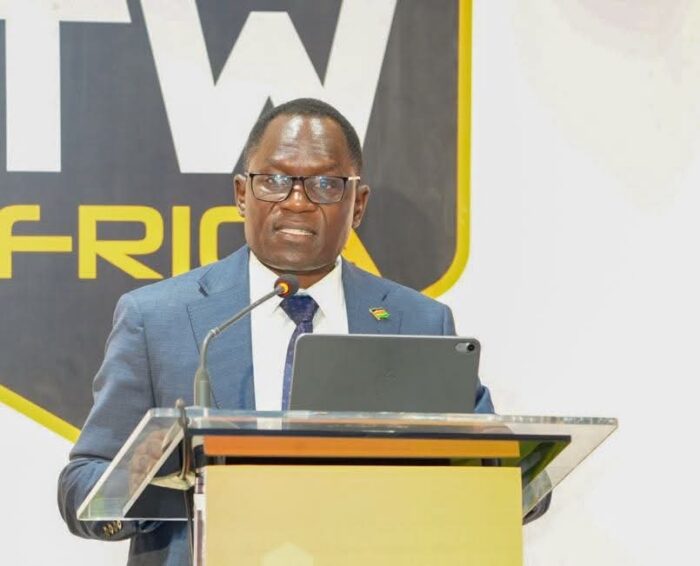
By Josiah Kariuki
Nairobi has positioned itself as a key hub for Africa’s rapidly expanding digital economy.
This emerged as Kenya highlighted its growing digital infrastructure and investment opportunities during the opening of the ITW and Datacloud Africa Conference.
Also Read
Principal Secretary for Broadcasting and Telecommunications Stephen Isaboke, officially opened the conference on Tuesday, bringing together more than 1,800 industry leaders, technology experts, investors, policymakers and digital infrastructure professionals from across the world.
The conference comes as demand for digital services, cloud computing, artificial intelligence, fintech solutions and online platforms continues to rise across Africa.
Despite the growing demand, the continent currently hosts only about 0.6 per cent of the world’s data centres, highlighting what industry players see as significant room for investment in digital infrastructure.
Addressing delegates, PS Isaboke said data centres had become critical to modern economies by powering digital services, supporting innovation, enabling e-commerce and strengthening the delivery of government services.
He said expanding digital infrastructure was no longer a luxury for countries seeking to remain competitive in the global economy.
“Digital infrastructure is no longer a luxury but a necessity,” Isaboke said, underscoring the need for increased investment to support Africa’s digital transformation.
The PS highlighted Kenya’s growing role as a regional connectivity and digital infrastructure hub, noting that the country has more than 20 operational data centres, an expanding national fibre-optic network and several international submarine fibre-optic cables landing in Mombasa.
The infrastructure, he said, was positioning Kenya as a gateway for digital connectivity across East and Central Africa.
Isaboke attributed Kenya’s growing attractiveness to technology investors to its strategic location, regulatory environment, skilled workforce and commitment to technological innovation.
He also reaffirmed the Government’s commitment to implementing the Digital Superhighway Programme under the Bottom-Up Economic Transformation Agenda.
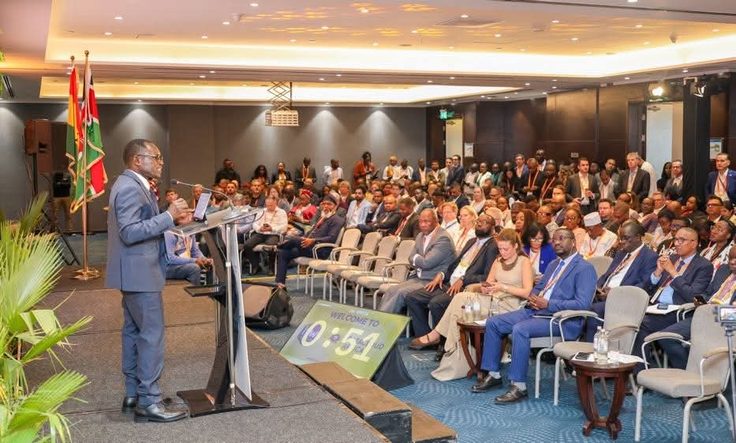
The programme is aimed at expanding broadband connectivity, improving digital inclusion and creating opportunities for innovation and entrepreneurship across the country.
Its key targets include rolling out 100,000 kilometres of fibre-optic infrastructure, establishing 1,450 digital hubs across all wards, deploying 25,000 public Wi-Fi hotspots and expanding digital literacy programmes.
Isaboke said partnerships between governments, investors, technology companies and development partners would be critical to Africa’s digital transformation.
Such partnerships, he said, would help mobilise capital, accelerate innovation and ensure digital technologies benefit underserved and rural communities.
The conference brought together senior government officials and industry leaders, including Niger’s Minister for Communication and New Information Technologies, Adjil Ali Salatou; Principal Secretary for ICT and the Digital Economy Eng. John Tanui; and Kenya Investment Authority Chief Executive Officer John Mwendwa.
Kenya is expected to use the conference to showcase its progress in digital infrastructure while seeking to deepen partnerships and attract investment in data centres, cloud services, connectivity and emerging technologies.
The gathering comes as African countries seek to close the continent’s digital infrastructure gap and capture a larger share of the rapidly growing global digital economy.