By Gladys Kipekeu and Ghost Writer
The discovery of advocate Abshir Ahmedsadak Abdi in Marsabit County, 11 days after his dramatic abduction in Nairobi, was a moment of great relief for his family, friends and colleagues. But it should not be the end of the story. The more pressing questions remain unanswered: Who took him, where was he held, what happened during those 11 days, and who will be held accountable?
CCTV footage of the November 1 abduction captured armed men pursuing Abdi’s vehicle before cornering it. The advocate was seen desperately attempting to escape on foot before being overpowered and bundled into another vehicle. The apparent use of police-grade weapons and tactical equipment raised questions about possible involvement of security agencies. His abduction has been linked to a court case he’s a witness in, involving complaints against police and intelligence officers.
Also Read
Elsewhere, the reported disappearance of Tanzanian activist Twaha Salim Mwaipaya in Kenya on October 25, 2026, raised significant questions about human rights, police accountability and the media’s watchdog responsibility. His reported abduction in the Kamulu area of Machakos County placed the media at the centre of a developing story involving alleged enforced disappearance and the responsibility of security agencies to protect individual rights.
Abdi’s eventual recovery, alongside his colleague Ayub Maalim, was welcome. However, finding the two men does not explain what happened or absolve the authorities of their responsibility to investigate. Of more concern is that the state, in their habeas corpus case, is seeking to keep the two men from testifying on what happened during their disappearance. The press has a duty to tell this story as soon as it is possible to do so.
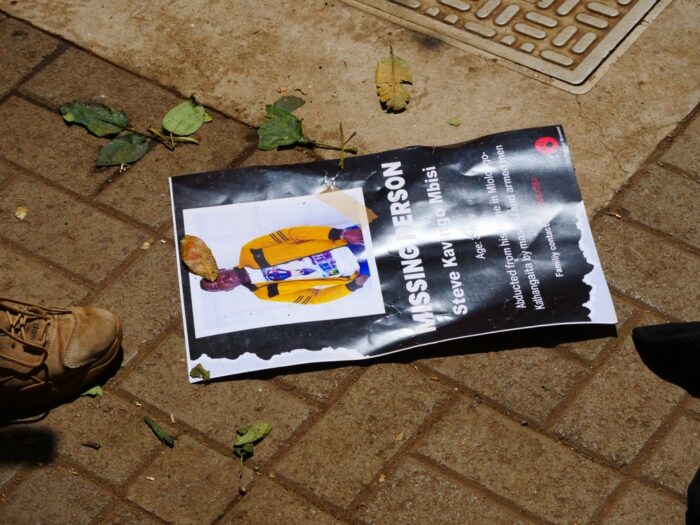
His case is part of an increasingly familiar pattern of abductions in which victims disappear for days, sometimes weeks, before resurfacing alive. The Missing Voices Coalition has documented 22 incidents of enforced disappearance this year alone. Among the cases were the September abduction of Standard Group associate editor Alex Kiprotich and the June disappearance of six activists following the Gen Z anniversary protests.
This emerging ‘catch-and-release’ pattern should not obscure the grimmer reality that some victims never return, while others are eventually found dead. Nor should the return of those abducted be mistaken for evidence that little harm was done. Being held incommunicado, denied access to lawyers and family, and deprived of liberty outside the law are serious rights violations, even if a victim emerges without visible physical injuries.
There is a danger of normalising such abductions simply because the abductee is eventually found relatively unharmed. Yet, even where there is no apparent intention to cause serious physical harm, these operations carry considerable risks. A motorist attempting to intervene, a collision involving other road users or a victim resisting armed abductors could result in serious injury or death. The manner in which some of these abductions are executed makes such outcomes all the more plausible.
The media has played an important role in exposing these incidents and keeping pressure on authorities. This sustained public attention may have helped secure the release or recovery of some abductees. However, coverage often winds down once victims are found, particularly when authorities claim to be carrying out investigations. By now, it is clear that most of these promises to investigate are empty, given how many cases have seemingly stalled despite publicly available evidence. And this therefore leaves the media with the weighty but necessary task of carrying out their own investigations whenever possible.
Media coverage during the aftermath of the Kiprotich abduction was much more detailed and even named several involved persons. That approach of taking on the responsibility to dig deeper into what happened and who was involved, and not simply rely on empty promises to investigate might just be what’s needed to help curb these abductions. The press must therefore continue demanding answers and pushing for those responsible to be held accountable.
In Abdi’s case, Milele FM’s coverage helped bring judicial intervention to listeners’ attention. However, reporting on alleged human-rights violations requires more than relaying court directions and official statements. The station had an opportunity to strengthen its coverage through sustained follow-up, particularly by seeking accounts from Mwaipaya’s family and lawyers, who could explain the circumstances of his disappearance and efforts made to trace him.

The station also needed to pursue responses from the police and DCI, establish the progress of investigations and monitor compliance with court directives. The human rights organisation behind the petition deserved an opportunity to explain its concerns, while the police response needed to be presented fairly. Where allegations were made, they had to be distinguished from established facts.
It is quite concerning that these abductions now appear to be targeting lawyers and even journalists, suggesting that individuals may be targeted over their professional work. This raises serious concerns about the safety of those whose work involves exposing wrongdoing, defending rights and holding institutions accountable.
The media must therefore continue to look for more ways to confront this disturbing pattern before it escalates further. If such operations can target advocates and journalists today, who might be next?
Kenya cannot afford a situation in which people are abducted, subjected to unknown violations, released and expected to be grateful that they survived. Finding someone alive is not justice, and public relief must not become institutional absolution. The story does not end when an abductee is found. It ends when the truth is established, those responsible are held accountable and such violations are no longer repeated.
Gladys Kipkeu is a media analyst at the Media Council of Kenya. This article was obtained from: https://mediaobserver.co.ke/index.php/2026/11/16/missing-persons-expose-need-for-media-investigations-into-abductions/?captcha