By Josiah Kariuki | Opinion & Commentary
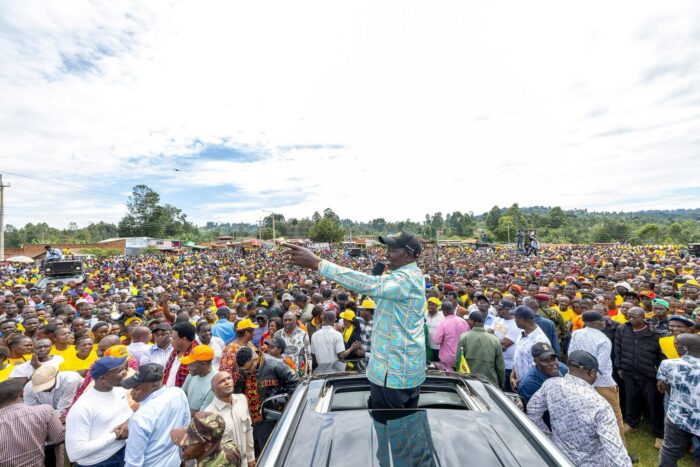
President William Ruto’s four-day development tour of Kisii and Nyamira counties, which ended on November 11, 2026, has provided Gusiiland with an opportunity to reflect on its economic future. Beyond the political rallies, speeches and project launches, the more important question is whether the investments announced will translate into lasting improvements in people’s lives.
The tour placed infrastructure, education, healthcare, agriculture, electricity and digital transformation at the centre of the region’s development conversation. These are important priorities, but their value should not be measured by the number of projects commissioned or the enthusiasm surrounding presidential visits. What matters is what happens after the President leaves.
Also Read
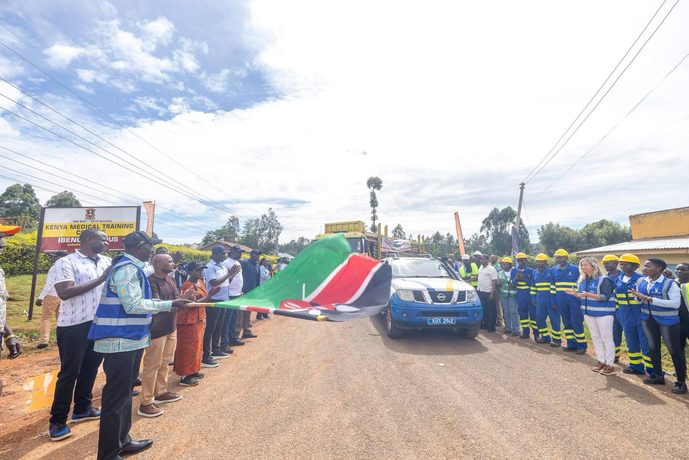
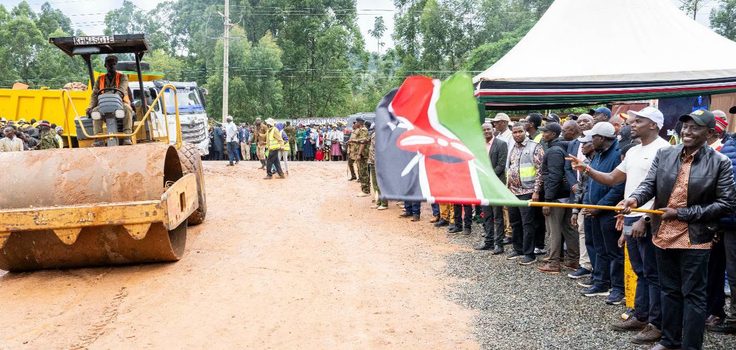
For a region whose economy relies heavily on agriculture, small-scale trade, transport and an increasingly entrepreneurial population, infrastructure remains fundamental. The launch of the Nyagesa–Irongo–Risamwera–Rianyamanga Road and the Government’s announcement of KSh22 billion for 270 kilometres of roads in Kisii County are significant commitments.
Good roads connect farmers to markets, reduce transport costs, improve access to essential services and make commercial centres more attractive to investment. The real test will be the quality of the roads, adherence to timelines and the economic benefits they bring to communities.
The commissioning of the West Mugirango ICT Hub in Nyamira County is another development worth watching. It speaks to a changing economy in which opportunities are no longer confined to conventional employment or major urban centres.
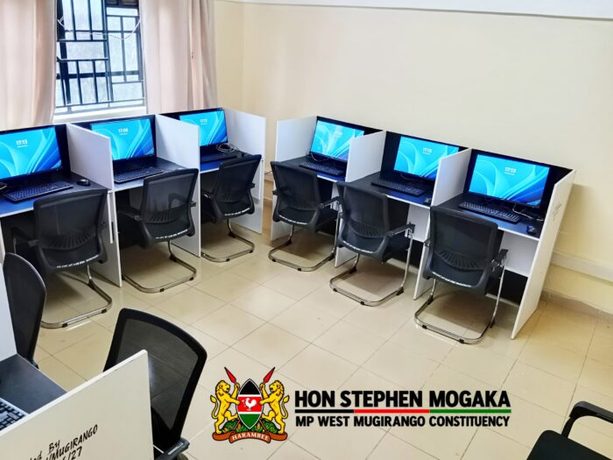
The facility can accommodate up to 50 young people at full capacity and is intended to equip them with practical digital skills, enabling them to explore online employment and digital commerce. Broadcasting and Telecommunications Principal Secretary Stephen Isaboke said two additional hubs were planned for the area, while the wider national programme targets 1,450 hubs and two million trained young people.
According to Secretary of Digital Infrastructure Washington Okoth, more than seven hubs have been established and operationalised across Kisii and Nyamira counties. Fourteen public Wi-Fi hotspots have also been installed in Nyamira, while 28 learning institutions have been connected to the national fibre-optic network.
These are welcome interventions. However, beyond computers and internet connectivity, young people need competent trainers, practical courses, mentorship and links to actual employment opportunities. This way, digital hubs will have a huge impact by creating job opportunities.
A young person in West Mugirango should be able to acquire skills, work online and earn a living without first relocating to Nairobi. That is the promise of digital inclusion, and it is a promise that must be fulfilled through sustained investment and proper management.
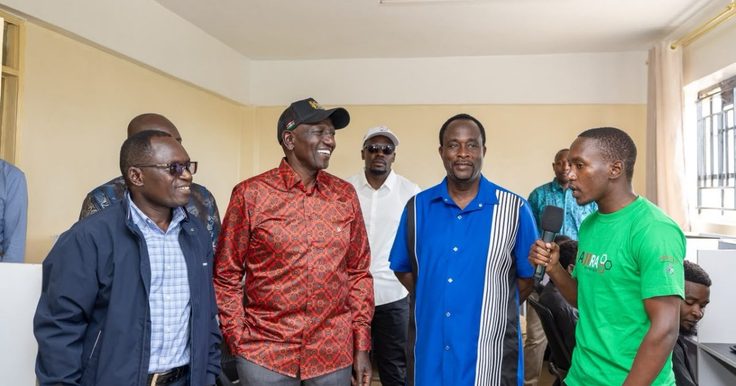
Education and healthcare investments deserve similar attention. The launch of the M-PESA Foundation Nyankororo Comprehensive School in Bonchari and the commissioning of Ibeno Kenya Medical Training College offer opportunities to strengthen the region’s human capital.
The Nyankororo project demonstrates how partnerships between government and private institutions can help expand educational infrastructure. But beyond buildings, learners need teachers, learning materials, digital resources and an environment that prepares them for the demands of a changing economy.
Ibeno KMTC, whose establishment has faced prolonged delays, is particularly important in expanding healthcare training opportunities. Its benefits should extend beyond the classroom to include local employment and increased commercial activity. Its history should also remind government institutions that delayed projects deny communities opportunities that could have been realised years earlier.
Gusiiland must equally rethink how it approaches agriculture. Our farmers produce substantial quantities of agricultural commodities, yet the region’s economic potential cannot be fully realised while much of this produce is sold without significant value addition.
We need better storage facilities, processing plants, reliable markets, affordable financing and modern agricultural technologies. The commissioning of Motonto Modern Market in Bobasi is a step in the right direction, but a modern market must offer more than an attractive building. It requires proper sanitation, security, storage, reliable utilities and effective management.
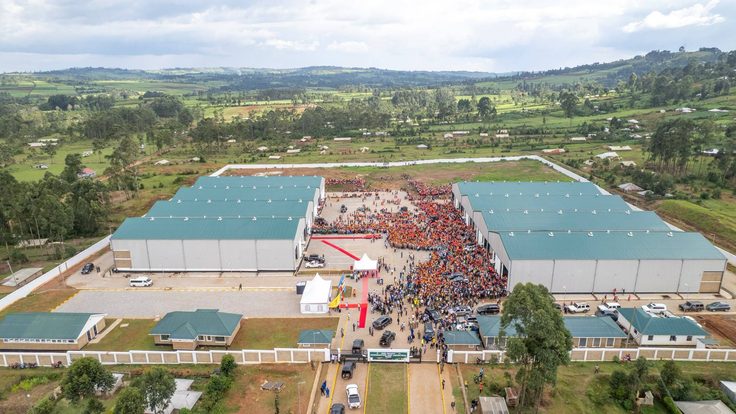
Imagine the economic possibilities when improved roads connect farmers to organised markets, electricity supports refrigeration and agro-processing, and digital platforms link traders to customers beyond their immediate surroundings. That is the kind of integrated development Gusiiland should be pursuing.
The participation of Kisii Governor Simba Arati, Nyamira Governor Amos Nyaribo and other elected leaders during the presidential tour also highlighted the importance of cooperation between national and county governments.
Devolution was intended to bring development closer to the people. However, its success depends on coordination, responsible use of resources and clarity over institutional responsibilities. National and county governments may have different constitutional mandates, but citizens ultimately judge them by the services they receive.
Political differences should not become obstacles to development. Neither should access to government projects be presented as a reward for supporting particular political leaders.
With the 2027 General Election approaching, the President’s tour inevitably carried political significance. Like other parts of the country, Gusii is gradually getting its share of roads, schools, hospitals, electricity and employment opportunities. Despite this, citizens should be free to support whichever political formation they choose while demanding equitable development from those in office.
A government intervention that improves people’s lives deserves recognition, regardless of who initiated it. Equally, shortcomings in implementation must be questioned without regard to political affiliation. Appreciating development and demanding accountability are not contradictory positions.
This brings us to the most important issue arising from the tour: implementation. Project timelines must be respected, contractors held accountable and public resources properly managed. Residents should be able to establish what was promised, what has been funded, what is under construction and what has actually been completed.
But Gusiiland’s ambitions must extend beyond monitoring government projects. We should be asking what kind of economy we want to build over the next two decades.
Our region has educated professionals, entrepreneurs, agricultural resources and a population that places considerable value on education. Yet too much of our public conversation remains centred on political representation, electoral competition and access to national leadership.
These matters are important, but they cannot substitute for serious discussions about industrialisation, investment, innovation and job creation.
We need to attract private capital, promote agro-processing, support local manufacturing and strengthen technical education. Our universities and colleges should produce graduates whose skills respond to the needs of industry. Young people should also have an environment in which they can establish and grow businesses without feeling compelled to leave the region in search of opportunities.
Government cannot accomplish this transformation alone. Professionals, academics, investors, entrepreneurs and public institutions must contribute their knowledge, resources and experience. Sustainable prosperity requires a partnership between government and citizens who are willing to take responsibility for the region’s future.
The presidential tour has brought several development commitments into focus. The challenge now is to turn them into productive assets. Roads should become economic corridors, digital hubs gateways to employment, schools centres of opportunity and markets engines of enterprise.
Ultimately, the success of the visit will not be determined by the crowds that welcomed the President or the number of speeches delivered. It will be measured by completed roads, operational institutions, skilled and employed young people, thriving businesses and improved household incomes.
Gusiiland should welcome investment without surrendering its responsibility to question how public resources are used. We should recognise progress without confusing announcements with results.
Above all, we must look beyond individual politicians and the next election. The region’s future cannot depend entirely on who occupies State House or which political leaders enjoy access to the national government.
Development is not simply about what government builds. It is about the opportunities those investments create and the difference they make in people’s lives. That is the standard by which President Ruto’s commitments, and indeed every leader’s development record, should ultimately be judged.
-The author volunteers for Gusii Press Club and writes on topical issues.