By Nyang’au Araka
For many Kenyans, the words organ donation and organ harvesting evoke fear, suspicion and uncomfortable questions about what happens to the human body inside hospitals after death.
Can a hospital remove someone’s organs without the family’s knowledge? Who determines that a patient is dead? And how can families be certain that a loved one’s death will not become an opportunity for someone to profit from their organs?
Also Read
These questions are gaining renewed attention as Parliament considers the Blood, Cells, Tissues and Organs Bill, 2026, legislation that could fundamentally change how Kenya regulates organ donation, transplantation and blood services.
The proposed law comes against a backdrop of public anxiety following allegations of unethical kidney transplant practices at a hospital in Eldoret and the shocking discoveries at Shakahola in Kilifi County, where hundreds of people died in a religious fasting cult.
Although the two cases involved different circumstances, they exposed the devastating consequences of exploitation and the importance of accountability where human life and dignity are concerned.
The legislation has consequently attracted support from health and security stakeholders, who believe a comprehensive regulatory framework is necessary to prevent organ trafficking, protect donors and recipients, and ensure that life-saving medical procedures are conducted ethically.
Transplant controversy
Kenya’s organ transplant debate gained significant public attention in April 2025 when the Ministry of Health suspended transplant services at Mediheal Hospital following allegations of malpractice and possible organ trafficking.
An earlier government investigation had identified serious weaknesses in the hospital’s transplant programme, including inadequate documentation to establish relationships between donors and recipients, untranslated consent documents, questionable donor-recipient compatibility and gaps in ethical oversight.
The hospital denied involvement in organ trafficking.
The controversy prompted the appointment of an independent investigative committee and subsequent parliamentary scrutiny.
In April 2026, the National Assembly Health Committee recommended lifting sanctions affecting the hospitals’ general operations but advised that restrictions on organ transplant services remain in place.
The committee also highlighted weaknesses in the country’s transplant oversight system.
The developments strengthened calls for a centralised authority to regulate transplantation, maintain donor records and ensure that organs are allocated fairly.
Shakahola and the fear
The debate also brings back memories of the Shakahola tragedy, one of Kenya’s darkest episodes involving religious extremism and human exploitation.
The discovery of mass graves in Kilifi County in April 2023 shocked the country and triggered widespread speculation about what had happened to the victims, including claims of organ harvesting.
However, findings presented to the Senate’s Ad Hoc Committee investigating the tragedy indicated that there was no evidence of organ harvesting among the bodies examined at the time.
The parliamentary report documented that most victims died from starvation, while others had injuries consistent with strangulation and blunt-force trauma.
Nevertheless, the tragedy exposed how vulnerable people can be manipulated and exploited, sometimes with fatal consequences.
It also reinforced the importance of institutions that protect human dignity, investigate wrongdoing and ensure that vulnerable individuals are not subjected to exploitation.
Against this background, the proposed transplant legislation presents an opportunity to address public fears through transparency, clear consent procedures and independent medical oversight.
Why doctors say
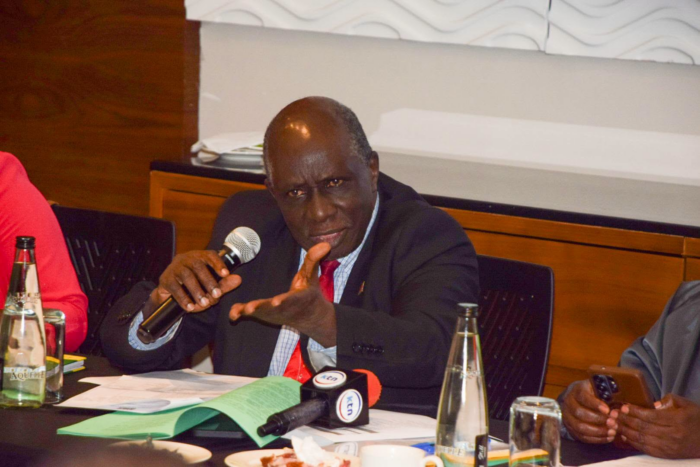
During public hearings conducted by the National Assembly Departmental Committee on Health, chaired by Seme MP Dr James Nyikal, stakeholders from the medical, legal and security sectors backed the proposed legislation while calling for improvements.
Among those who presented submissions were the Council of Governors, Office of the Attorney General, Office of the Director of Public Prosecutions, Kenya Medical Research Institute (KEMRI), Moi Teaching and Referral Hospital (MTRH), Jaramogi Oginga Odinga Teaching and Referral Hospital (JOOTRH), Kenya Medical Association (KMA) and Kenya Renal Association (KRA).
Dr Philip Cheptinga, Chief Nephrologist and Head of the Department of Nephrology and Transplantation at MTRH described the Bill as a significant step towards establishing a credible transplant system.
However, he warned that even a largely well-written law could fail patients if important safeguards were overlooked.
“The Bill 2026 is 90 per cent excellent. But 90 per cent is not enough when a life is at stake,” he said.
Cheptinga, who also lectures at Moi University School of Medicine, argued that transplantation requires more than surgical expertise.
It depends on strict ethical procedures, accurate medical documentation, independent confirmation of death and informed consent.
He particularly emphasised the importance of separating the doctors responsible for declaring a patient dead from those involved in organ retrieval and transplantation.
The distinction is crucial because organ donation must never influence decisions about whether a patient receives life-saving treatment or when death is declared.
What happens?
One of the biggest challenges facing organ donation in Kenya is public understanding of the process.
Dr Cheptinga explains that deceased organ donation involves retrieving usable organs after a person’s death has been formally established in accordance with the law.
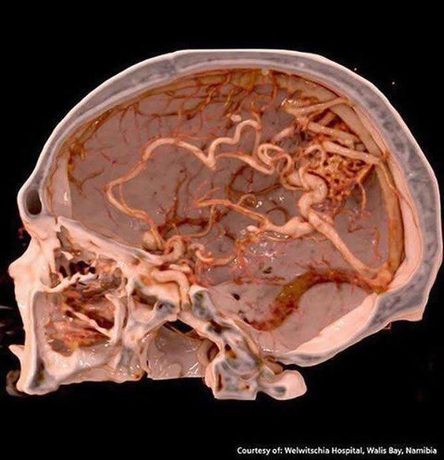
Brain death, for instance, is not the same as a coma or a vegetative state. It refers to the irreversible loss of all brain functions, including those controlling breathing.
Under the proposed Bill, brain death must be confirmed by two separate teams eight hours apart, while the doctor declaring death cannot participate in organ retrieval or care of the recipient.

Critical safeguard
Kenya currently operates an opt-in system, meaning individuals must express their willingness to donate rather than automatically being considered donors after death.
Dr Cheptinga argues that families must also be treated with dignity and given appropriate information throughout the process.
He says a deceased donor can potentially save several lives through donations involving the kidneys, liver, heart and lungs, while tissues such as corneas, skin, bone and heart valves can also help patients recover from serious conditions.
Importantly, donation should never be confused with commercial trade.
“Donation is a gift,” is the ethical principle underpinning the system he advocates.
Framework for accountability
The proposed legislation seeks to establish a central Kenya Blood and Transplant Authority (KBTA) to coordinate donor recruitment, licensing, transplantation services and the allocation of donated organs.
It also proposes a national waiting list to ensure that patients receive organs according to transparent medical criteria rather than wealth, influence or personal connections.
The Bill further proposes strict penalties for illegal commercial dealings in human organs, including fines of up to Sh50 million and imprisonment of up to 25 years.
Council of Governors representative Dr Mutakha Kangu supported the initiative, saying: “The Council supports the objective of establishing a robust legal framework for the regulation, coordination, safety, quality assurance, ethical management and equitable access to blood transfusion and transplantation services in Kenya.”
Dr Nyikal said the committee would carefully examine the submissions before making its recommendations, maintaining that patients’ welfare must remain central to healthcare reforms.