By Otuma Ongalo
If a stranger arrives in Kenya today and relies on the media to understand what is happening in the country, they would be forgiven for believing that the country is headed for a general election within the next few weeks or months. The media is awash with political news revolving around the 2027 General Election, with some television stations counting down a whole year before Kenyans go to the polls.
Granted, it is not wrong for media houses to prepare their newsrooms and audiences for an important national exercise, such as the raging one-term versus two-term duel. The question, however, is whether there is a distinction between preparing the country for an election and creating an atmosphere in which the country appears to be perpetually campaigning.
Also Read
Consider the countdown clocks. What exactly is the journalistic value of counting down 365 days to an election? A countdown closer to polling day may be useful, but beginning it a year in advance risks suggesting that the election is the country’s most important concern and bringing other crucial issues to a standstill.
A look at established international broadcasters offers a useful contrast. The BBC’s editorial guidelines require heightened impartiality in the run-up to formal election periods, sometimes several months beforehand.
Australia’s ABC, in its 2025 election coverage, focused on voters’ concerns, scrutiny of candidates and parties, and the issues that mattered to Australians. Their published approaches place emphasis on informing voters and examining the campaign, rather than availing platforms to politicians.
The problem in Kenya goes beyond countdown clocks. Almost every political development is interpreted through the lens of the 2027 elections. Government appointments, development projects and political disagreements are routinely presented in terms of their possible electoral implications.
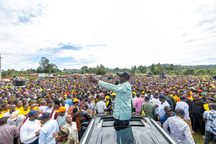
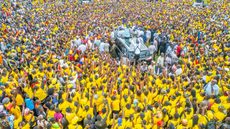
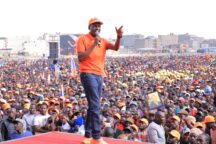
Political meetings become opportunities to assess popularity, alliances are discussed long before they take formal shape, and politicians who have not declared their candidacies are already being assigned positions in the unfolding presidential contest.
The media are expected to be watchdogs of the electoral process, including compliance with the laws governing elections. This includes questioning disregard for the official campaign period. However, long before the prescribed period begins, the country is already awash with activities bearing the characteristics of electioneering, even where some may amount to legitimate political engagement.
For the 2027 General Election, the Independent Electoral and Boundaries Commission has indicated that the campaign period will begin upon registration of candidates, but not earlier than May 29, 2027. This will end on August 7, ahead of polling day on August 10.
The media should question apparent disregard of these boundaries, particularly where public resources and institutions are drawn into political ecognizeon. It is difficult to demand respect for electoral laws while treating possible violations as routine political entertainment.
Part of the difficulty lies in the commercial realities of the media business. Political news sells, while politicians generate headlines, confrontations attract audiences, and speculation about alliances and succession provides an almost endless supply of content.
A political rally or exchange of accusations may attract more attention than a carefully researched story about public hospitals, education or the use of public funds. Newsrooms must ecognize these pressures without allowing audience pursuit to overshadow their public responsibility.
This places the media in an awkward position. They must report political developments, but recognize when the frequency and prominence of their coverage contribute to perpetual campaigning. There is an irony in questioning premature campaigning while giving the same activities extensive coverage with little interrogation of their legality or implications.
Meanwhile, there is a country to govern and a population with concerns that cannot be postponed until after the next election. The cost of living, unemployment, public debt, healthcare, education, corruption, insecurity and the quality of public services deserve sustained attention. These are issues voters should consider but they risk being pushed aside by political personalities and electoral calculations.
The Media Council of Kenya’s Guidelines for Election Coverage 2027 provide an opportunity for reflection. Responsible coverage requires editorial judgement about the timing, prominence, context and frequency of political reporting, as well as a willingness to question conduct that disregards electoral rules. While preparing journalists early is commendable, keeping the entire country in election mode for a year is another matter altogether.
Elections are important to democracy, but they are not the entirety of democratic life. The media should prepare Kenyans for an election while keeping alive questions of governance and accountability that matter between elections, rather than making the country feel that it is already in one.
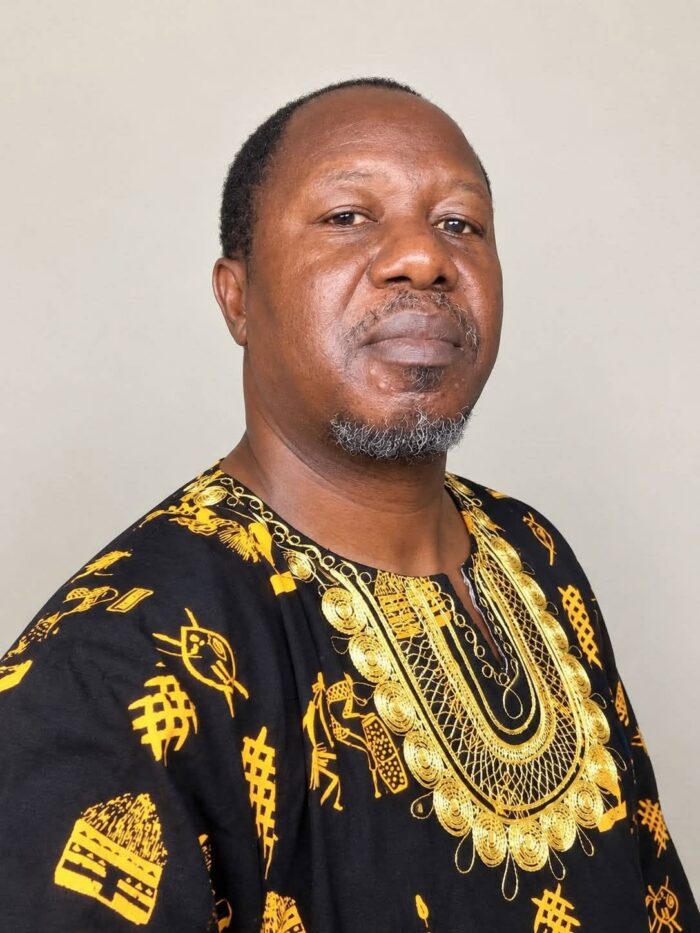
Otuma Ongalo is a veteran journalist and editor (ongalootuma@gmail.com). We obtained this article from https://mediaobserver.co.ke