By GPC Reporter
President William Ruto’s four-day development tour of Kisii and Nyamira counties has brought the region’s political alignments ahead of the 2027 General Election into sharper focus.
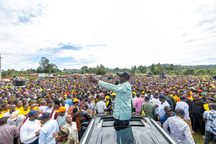
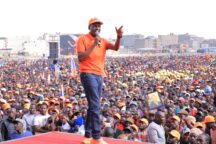
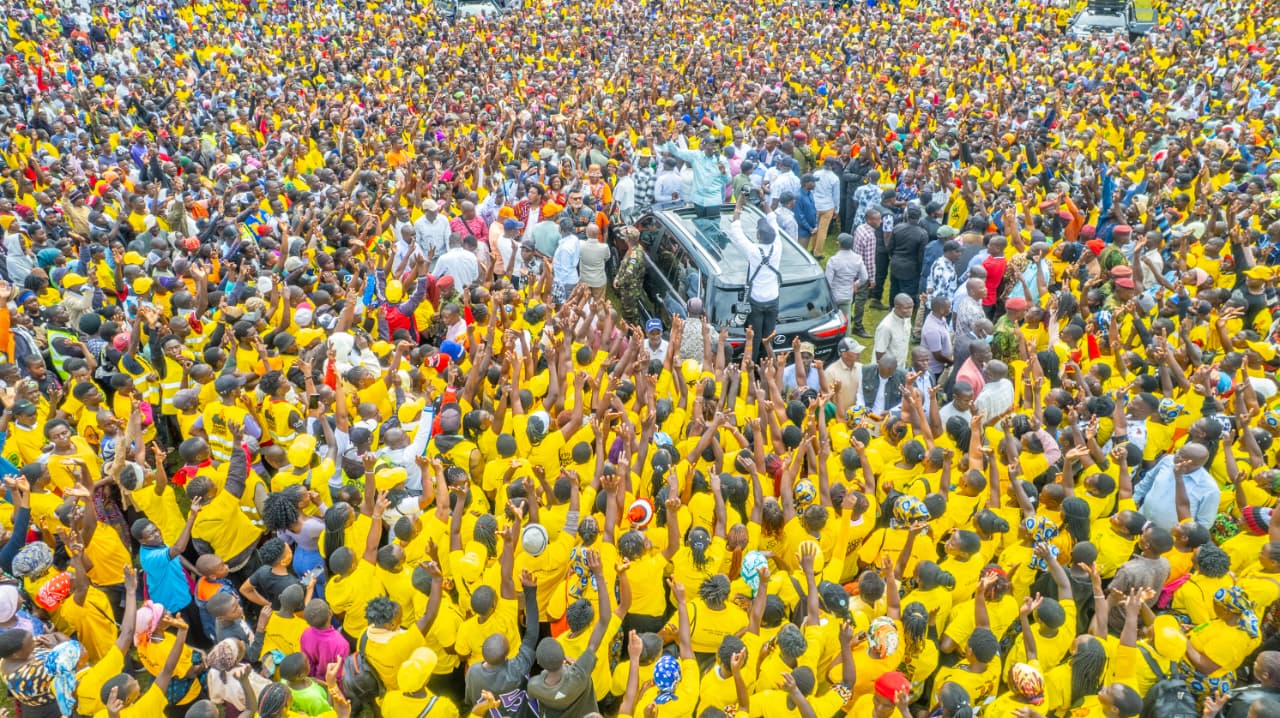
The tour, which ended with a major rally at the Agricultural Training Centre (ATC) in Kisii town, combined the launch and commissioning of development projects with political mobilisation, drawing support from leaders across the region.
Also Read
Ruto addressed 38 public meetings during the four days, visiting several constituencies and engaging residents on infrastructure, electricity connectivity, markets, water projects, education and government programmes.
The final rally brought together Kisii Governor Simba Arati, Nyamira Governor Amos Nyaribo, National Assembly Majority Whip Silvanus Osoro, MPs, MCAs and other leaders allied to the broad-based government.
Arati, who was previously among Ruto’s outspoken critics, played a central role in mobilising support for the presidential visit and hosting the final meeting.
His political shift has added to the changing alliances in a region that largely supported the Azimio coalition in the 2022 General Election.
The presence of leaders from both counties at the Kisii rally was also a significant political statement, particularly as parties and potential presidential contenders begin positioning themselves for the 2027 contest.
During the tour, the President launched and commissioned projects, opened markets and addressed residents at public gatherings and roadside meetings.
His engagements covered areas including Bomachoge, Kitutu, Borabu, North Mugirango, South Mugirango and Bobasi, among other parts of the two counties.
The administration used the visits to highlight investments in roads, electricity connections, water infrastructure, affordable housing, healthcare and agricultural reforms.
Among those involved in coordinating the tour and communicating the government’s agenda were ICT and Broadcasting Principal Secretary Steve Isaboke, Solicitor-General Shadrack Mose and Education Cabinet Secretary Julius Migos Ogamba.
The three joined other government officials and local leaders in mobilising residents and explaining national programmes in the local language.
The President’s extended presence in the region also comes amid growing political attention on former Interior Cabinet Secretary Fred Matiang’i, who is associated with the Gusii region and is emerging as a potential presidential contender under the United Opposition.
Matiang’i’s political influence in Kisii and Nyamira is expected to make the two counties important battlegrounds in the next election.
Although the former Cabinet Secretary has maintained a presence in national opposition politics, Ruto’s visit provided an opportunity for the Kenya Kwanza administration to strengthen its engagement with local leaders and voters.

The tour has also exposed the challenge facing the opposition as it seeks to consolidate support in a region where sections of its political leadership have established working relationships with the government.
Opposition leaders are expected to hold separate meetings in Keroka, Nyamira County, and Kisii town on Sunday in response to the President’s visit.
The planned engagements are expected to provide an opportunity for the opposition to restate its political position and rally supporters following Ruto’s four-day tour.
The competing political activities have placed Gusii at the centre of renewed political mobilisation, with both sides seeking to demonstrate their influence ahead of 2027.
For residents, however, Ruto’s tour also brought renewed attention to development concerns, including road networks, access to water, electricity connectivity, healthcare facilities and employment opportunities.
The President’s engagements provided a platform for local leaders to present demands for additional government investment while the administration outlined projects and programmes targeting the region.
With the 2027 elections approaching, the extent to which the projects announced and commissioned during the tour translate into tangible improvements will likely shape public perceptions of the government’s performance.
The political reception accorded to Ruto, meanwhile, offers an indication that the region’s electoral contest may be more competitive than assumptions about traditional political strongholds suggest.
For the opposition, the challenge will be to maintain its political support while presenting voters with an alternative development agenda.
For the government, the task will be to demonstrate that the commitments made during the presidential tour will be fulfilled.