By GPC Reporter
The last Ebola patient has been discharged and the final 11 contacts released from quarantine, marking a major milestone in Kenya’s fight against the Bundibugyo virus outbreak.
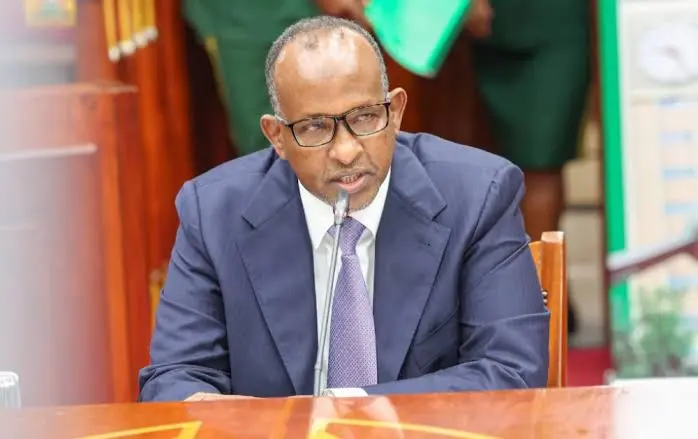
Health Cabinet Secretary Aden Duale announced on Wednesday that the patient had recovered and was no longer carrying the virus, while all the remaining contacts had completed their mandatory monitoring period in good health.
Also Read
The announcement means that, for the first time since the outbreak was confirmed on October 6, Kenya has no Ebola patient under treatment and no contact in quarantine.
The country now begins a 42-day countdown towards declaring the outbreak over, provided no new infections are detected during the period.
“Today, the last patient under treatment for Ebola (Bundibugyo Virus Disease) in Kenya has been discharged, healthy and free of the virus,” the CS said in a statement issued at Afya House in Nairobi.
He added that the last 11 contacts had returned home to their families, having completed monitoring without developing the disease.
The development comes 37 days after Kenya confirmed its first imported case of the virus, which involved a Kenyan national who had travelled from the Democratic Republic of the Congo through Uganda.
The patient fell ill after returning to Kenya, sought medical attention but later died.
Kenya notified the World Health Organisation (WHO) of the first confirmed case on October 6, within 24 hours of laboratory confirmation.
According to Duale, the government immediately activated its incident management system and launched contact tracing, eventually tracing all 135 contacts linked to the outbreak, both within Kenya and abroad.
Those considered at risk were placed under quarantine and subjected to daily monitoring.
On October 12, the CS declared Ebola a formidable epidemic disease, paving the way for the gazettement of the Public Health (Ebola Disease) Rules to provide a legal framework for managing the outbreak.
Eight additional people subsequently tested positive, comprising four family members of the initial patient and four health workers who had attended to him before Ebola was suspected.
However, Duale said all eight were already in quarantine when they developed symptoms, a factor he credited with preventing further spread of the disease.
“Every one of them was already in quarantine when they fell ill. That single fact made the difference,” he said.
He maintained that there had been no community transmission in Kenya, with the last confirmed infection recorded on October 19, 23 days before Wednesday’s announcement.
The outbreak claimed two lives, with the CS expressing condolences to the affected families.
The latest recovery brings to seven the number of patients who survived the disease, following the discharge of five patients on November 3 and another on November 6.
The government said the release of the final contacts and discharge of the last patient reflected coordinated efforts involving national and county governments, public and private health facilities, security agencies and international partners.
Duale specifically recognised Kenyatta National Hospital and The Nairobi Hospital for their role in treating patients during the outbreak.
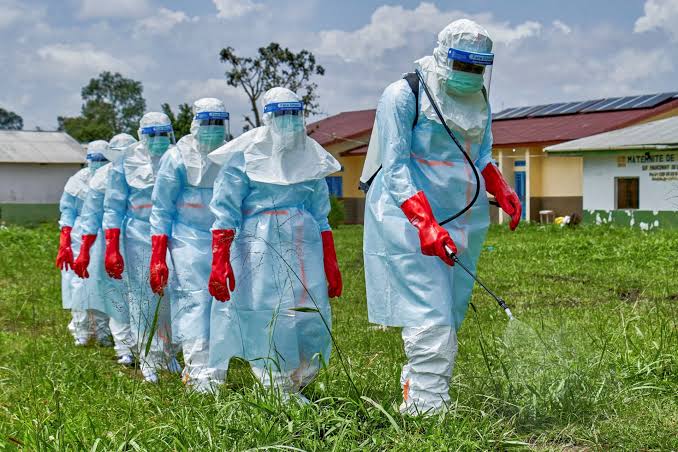
He also commended health workers, including doctors, nurses, laboratory scientists, surveillance officers, contact-tracing teams, public health officers and support staff.
Four health workers were among those infected after attending to the initial patient.
The CS further acknowledged the contributions of the World Health Organisation, Africa Centres for Disease Control and Prevention, the Intergovernmental Authority on Development (IGAD), and the governments of the United States and India.
He said the response had demonstrated the importance of cooperation between the two levels of government, particularly in coordinating surveillance, investigating alerts and transporting samples for testing.
“Health is devolved, but this response proved that our two levels of government are stronger together,” he said.
The Ministry of Health said it had maintained regular communication with the public throughout the outbreak, with updates issued by the Director-General for Health based on verified information.
The Director-General will continue providing regular updates during the 42-day countdown.
Duale said the government had deliberately chosen transparency in communicating both positive and negative developments to build public trust and counter misinformation.
He also acknowledged the difficulties experienced by patients, their families and contacts, including illness, bereavement, separation and stigma.
Their cooperation, he said, had been critical in protecting other Kenyans and containing the outbreak.
The 42-day monitoring period is a critical stage in the outbreak response, with health authorities expected to maintain surveillance and remain alert to any suspected infections before declaring Kenya free of the outbreak.