By GPC Reporter
About 207.5 million people in the East African Community are experiencing multidimensional poverty, with inadequate sanitation, unsafe drinking water and limited access to essential services among the major challenges.
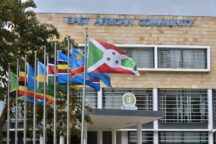
The figure represents 60.7 per cent of the population across the regional bloc, according to findings released by the East African Community (EAC) Secretariat ahead of African Statistics Day 2026.
Also Read
“Poverty therefore affects both a large share of the population and several aspects of people’s lives at once,” the Secretariat says, noting that multidimensional poverty goes beyond a household’s income to include overlapping disadvantages in education, healthcare, housing and access to basic services.
The EAC Multidimensional Poverty Index (MPI) measures deprivation across 12 indicators grouped into four equally weighted dimensions: education, health, basic services, and living standards and employment.
The indicators include years of schooling, school attendance, access to health services and health insurance, drinking water, sanitation, electricity, cooking fuel, housing conditions, overcrowding, household assets and unemployment.
On average, people classified as multidimensionally poor experience deprivation in 57.9 per cent of the weighted indicators measured by the regional index.
The population-weighted regional MPI stands at 0.351, combining the proportion of people experiencing poverty with the intensity of their deprivation.
Sanitation and water gaps
The findings identify inadequate sanitation and unsafe drinking water as major contributors to deprivation across the region.
About 58.3 per cent of the EAC population lacks adequate sanitation, while 39 per cent does not have access to safe drinking water.
The report further indicates that 52.6 per cent of the population is both multidimensionally poor and deprived of adequate sanitation. Another 35.8 per cent is multidimensionally poor and lacks safe drinking water.
“Improving water and sanitation can therefore address important aspects of poverty alongside investments in other services,” the Secretariat says.
It notes that households facing water and sanitation shortages often experience other disadvantages, including limited access to healthcare and education.
The findings come as African countries mark African Statistics Day 2026 under the theme, “Institutionalizing water and sanitation statistics for sustainable and climate-resilient development in Africa”.
The EAC Vision 2050 targets access to safe water for 92.9 per cent of the regional population and improved sanitation for 90 per cent by 2050.
The Secretariat says reliable statistics are essential in identifying communities lacking these services and helping governments direct investment to areas with the greatest needs.
It is calling for coordinated interventions across healthcare, education, housing, basic services and employment, arguing that measuring poverty through several indicators provides a more comprehensive picture of deprivation than income-based assessments alone.