By GPC Team
President William Ruto has defended his administration’s resource allocation policy, saying it is designed to end historical marginalisation and ensure all regions benefit equally from national development.
The President said his government was deliberately addressing decades of exclusion, neglect and discrimination that had denied some communities equal access to public resources and development opportunities.
Also Read
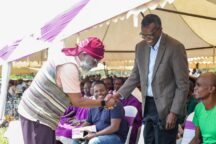
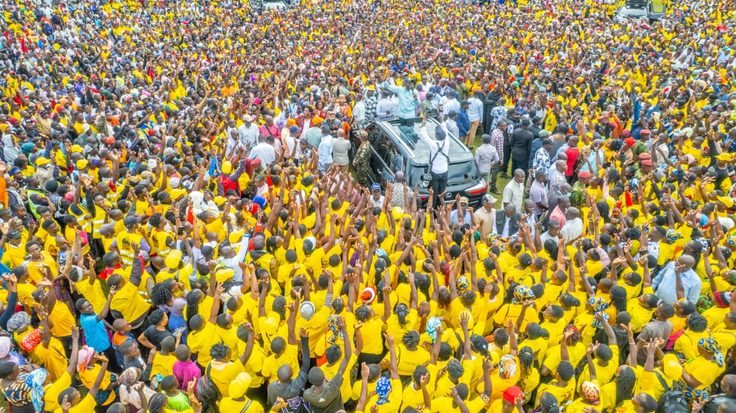
Speaking in Keroka town, Nyaribari Masaba Constituency, Kisii County, on Wednesday, Ruto said geographical location, ethnicity or historical disadvantage should not determine a region’s share of national development.
He was speaking after launching the construction of the Keroka-Ibacho-Kiamokama road.
“For decades, some parts of our country have endured marginalisation and unequal access to national resources, denying citizens opportunities to fully realise their potential,” he said.
Ruto said the government’s equity-driven development agenda, dubbed Usawa ni Sawa, was intended to correct historical disparities through targeted programmes and ensure no region was left behind.
He said the administration was working to eliminate discriminatory practices, policy failures and unequal access to opportunities that had kept some parts of the country on the margins of development.
The President assured Kisii residents that his government would support their development aspirations, just as it was doing in other parts of the country, by creating an enabling environment for citizens to pursue their economic and social goals.
During the tour, Ruto also launched the Last Mile Electricity Connectivity Project in Nyaribari Masaba Constituency, under which 3,000 households are expected to be connected to electricity at a cost of Sh150 million.
“We are already connecting 3,000 homes to power at a cost of KSh150 million, empowering more households, enhancing service delivery and boosting business,” he said.
The President said the electricity expansion would improve household access to power while supporting businesses and strengthening service delivery.
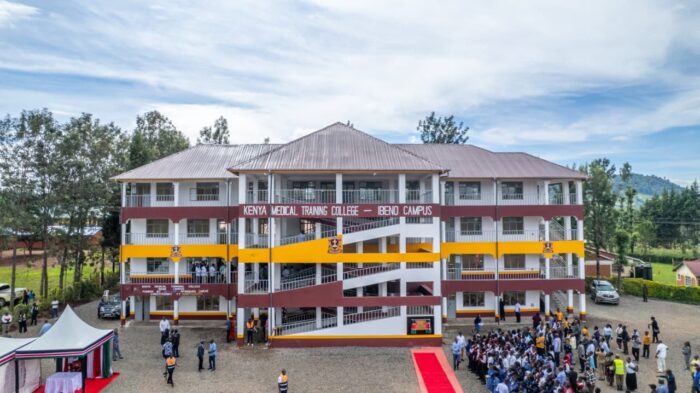
He also commissioned the Ibeno Kenya Medical Training College (KMTC) in Nyaribari Chache Constituency, saying the institution would increase the country’s capacity to train healthcare professionals.
Ruto said the facility would contribute to the provision of skilled health personnel needed to strengthen the delivery of Universal Health Coverage.
On higher education financing, the President said the government was reviewing the law to ensure university, technical and KMTC students receive full funding from next year.
“This policy will make equal opportunity and access to quality education a reality,” he said.
The proposed changes, he said, were aimed at widening access to higher education and ensuring students pursuing different courses in universities, technical institutions and medical training colleges receive financial support.
Kisii Governor Simba Arati welcomed the government’s development approach, saying the Ruto administration had ensured Kenyans were treated equally in the distribution of development resources.
Nyaribari Chache MP Zeheer Jhanda said his constituency had witnessed development projects, including road construction, electricity connections, affordable housing and modern markets, which he described as unprecedented in the country’s history.
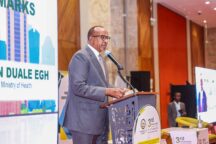
Mining Cabinet Secretary Hassan Joho praised Ruto for what he termed efforts to promote equitable development and restore the dignity of communities that had suffered marginalisation under previous administrations.
Joho said the President had brought an end to the culture of unequal development and argued that securing a second term would enable him to achieve what he described as 100 per cent equitable distribution of national resources.
Education Cabinet Secretary Julius Ogamba and several Members of Parliament also attended the events.