By GPC Reporter
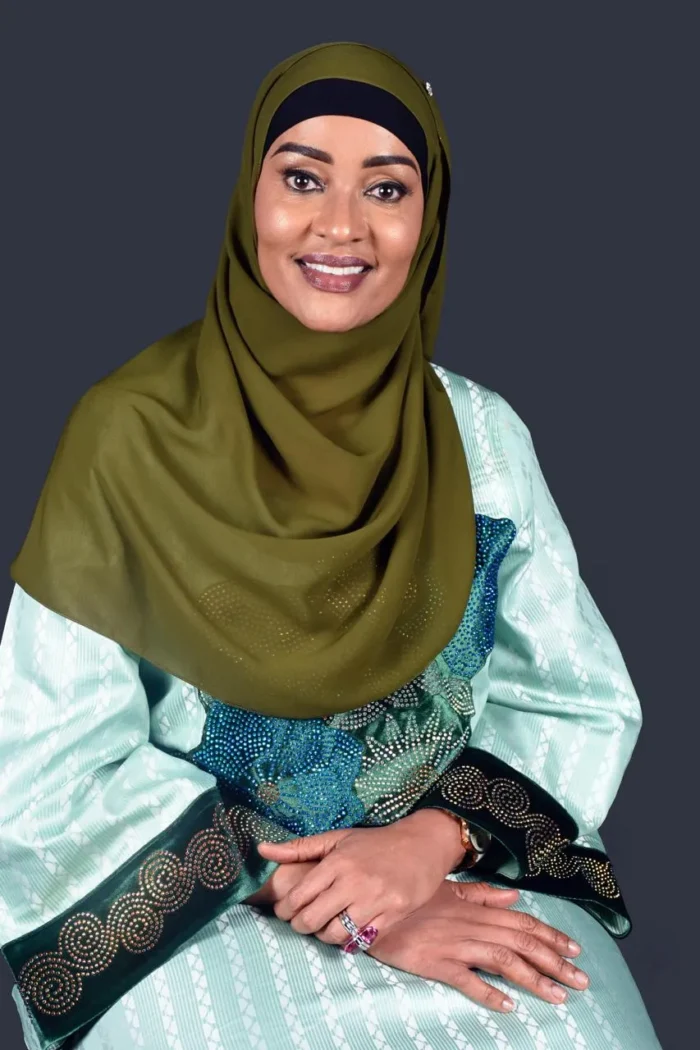
Kenya must invest more in the health, education and economic well-being of men and boys, National Gender and Equality Commission (NGEC) Chairperson Rehema Jaldesa has said.
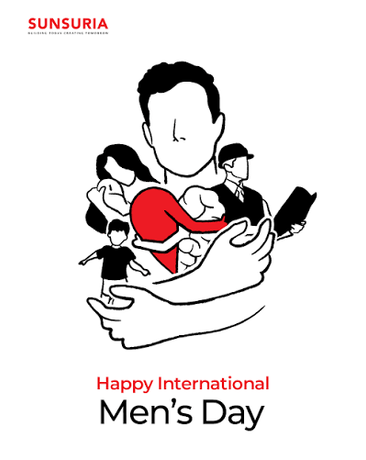
In a statement issued to mark International Men’s Day 2026, Jaldesa said addressing challenges facing men and boys is essential to achieving gender equality and building stronger families and communities.
Also Read
“Gender equality cannot be achieved by women alone. Men must be engaged as partners, as beneficiaries and as agents of change,” Jaldesa said in the statement themed The Future Is Everyone.
She noted that men play critical roles as fathers, husbands, brothers, sons, teachers, employers and public officials, arguing that their influence can help advance equality and improve social outcomes.
“Where men are involved, families share care and domestic responsibilities more fairly, children stay longer in school, and harmful practices such as female genital mutilation, child marriage and gender-based violence are reversed,” she said.
Jaldesa said many men and boys continue to face serious social and health challenges despite their central role in society.
According to figures cited in the statement, men accounted for 121,991 of the 217,601 deaths registered in Kenya in 2025. The statement also noted that men in Kenya are nearly three times more likely than women to die by suicide, according to World Health Organization (WHO) estimates.
The commission further cited findings from the 2022 National Survey on the Status of Drugs and Substance Use in Kenya showing that one in every three men aged between 15 and 65 years was using at least one drug or substance of abuse, compared to one in every sixteen women.
Jaldesa also highlighted violence against men, citing the 2022 Kenya Demographic and Health Survey, which found that 27 per cent of men had experienced physical violence since the age of 15.
“Yet stigma and rigid expectations of manhood keep many from reporting abuse or seeking care,” she said, adding that poor health-seeking behaviour among men contributes to the late detection of diseases such as prostate cancer, hypertension, diabetes and HIV.
The NGEC chairperson further expressed concern about the growing vulnerabilities facing the boy child, including school dropout, child labour, drug abuse, criminal gangs and radicalisation.
She said unemployment and the rising cost of living continue to place significant pressure on young men and called for targeted interventions to address the challenges.
Jaldesa said NGEC had established a Male Engagement Division in the 2026/2027 financial year to work with men and boys, address their vulnerabilities and strengthen partnerships in advancing gender equality.
Among the commission’s recommendations are expanded male-focused health services, stronger rehabilitation programmes for substance abuse, measures to reduce school dropout among boys, improved support for all survivors of gender-based violence, and increased investment in skills development and entrepreneurship.
“We celebrate all men and boys; we stand with you, and we count on you as partners in building an equal Kenya. Indeed, the future is everyone,” Jaldesa said.