By Janet Nyakundi
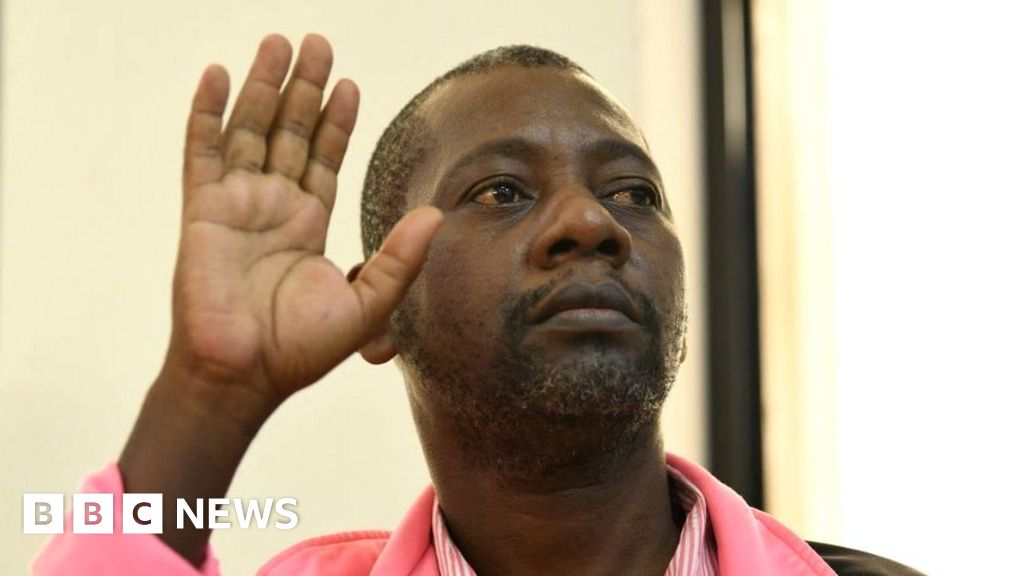
Christian extremist preacher Paul Mackenzie may have been handed 200 years behind bars, but the Shakahola cult deaths have left Kenya with questions that no prison sentence can settle. Who failed to stop the deaths? Why were warning signs ignored? And what guarantees that another religious extremist would not exploit the same institutional weaknesses?
These questions ran through the coverage by The Standard, Daily Nation, Taifa Leo and The Star, whose reporting moved beyond the sentencing to examine the wider failures, oversight gaps and accountability concerns surrounding one of the country’s most devastating tragedies. The verdict has become more than a judicial milestone; it is a moment for the media to interrogate how the massacre happened, who bears responsibility and what lessons the country must draw from it.
Also Read
At the heart of this coverage is an uncomfortable question: could Shakahola have been prevented? Rather than treating Mackenzie’s conviction as the final word, the newspapers turned attention to the warning signs that preceded the deaths and the institutions expected to respond to them. The Daily Nation’s editorial scrutiny of the police and Directorate of Criminal Investigations pushed the debate beyond the actions of one preacher to the systems that should have detected, investigated and stopped the danger. The framing, therefore, shifted responsibility from the individual at the centre of the tragedy to the wider institutional environment in which his activities were allowed to continue.
But identifying institutional failures is only part of the conversation; the bigger question is whether anyone will be held accountable for them. Concerns over government negligence and missed opportunities expose a dimension of the tragedy that cannot be addressed by punishing Mackenzie and his co-accused alone. The newspapers challenged the authorities to explain where the safeguards broke down and whether the failures that preceded the massacre have been adequately addressed. This framing broadens the meaning of justice, suggesting that punishing those directly responsible must go hand in hand with scrutinising institutional failures that allowed the tragedy to unfold.

The focus then shifts from what went wrong to what must change. Taifa Leo’s opinion piece advocating stronger regulation of religious organisations widens the debate from one preacher’s criminal conduct to the broader question of oversight within religious institutions. How can Kenya safeguard freedom of worship while protecting vulnerable followers from manipulation and abuse? This is a question that demands more than public condemnation. It calls for effective regulation, vigilance and timely intervention. By raising the issue, the newspaper gave the Shakahola tragedy a preventive dimension, challenging authorities to turn the lessons of the massacre into safeguards that protect lives.
The accountability debate extended further through The Standard’s cartoon, which juxtaposed Mackenzie’s lengthy sentence with perceptions of political impunity. The illustration invited readers to question whether justice was applied equally, particularly when those facing scrutiny occupy positions of power. It connectsed the tragedy to a wider governance concern: accountability should not end with punishing individuals while institutional failures and public responsibility escape scrutiny.
Taken together, the newspapers demonstrated the media’s watchdog role by keeping the focus on the unanswered questions surrounding Shakahola. Their coverage moved from courtroom proceedings to institutional accountability, religious oversight and the need for preventive reforms.
Mackenzie has been sentenced, but the failures surrounding Shakahola remain a matter of public concern. Ultimately, the true measure of justice will lie not only in the punishment handed down, but in whether Kenya confronts the failures exposed by the massacre, holds institutions accountable and ensures that warning signs of another tragedy are never ignored.
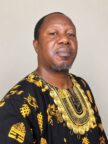
Janet Nyakundi is a media analyst at the Media Council of Kenya (MCK). This article was obtained from https://mediaobserver.co.ke/