By Ghost Writer | Courtesy of The Media Observer
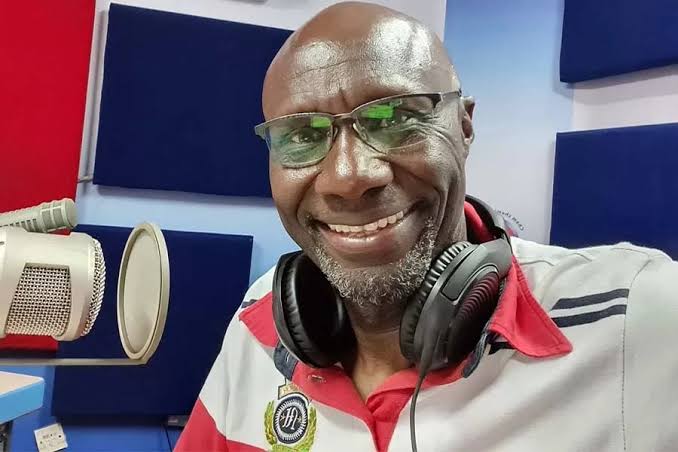
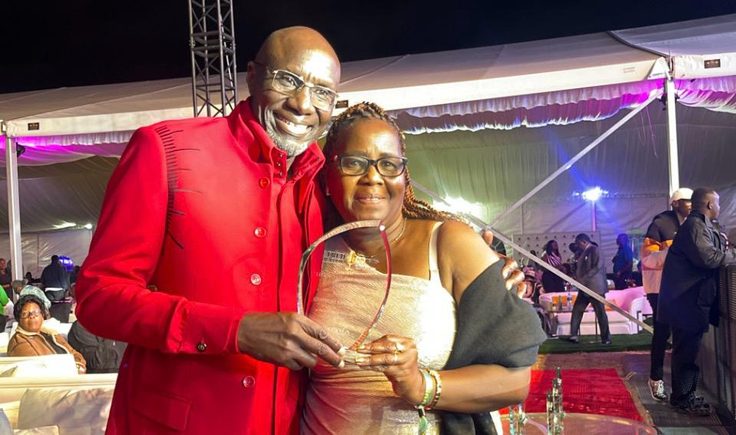
Fred Obachi Machoka has celebrated an extraordinary 50 years in the media industry at the Ulinzi Sports Complex in Nairobi. The historic milestone is a powerful reminder of why Kenya must do more to honour its national icons.
From his early days at the state-controlled Voice of Kenya in 1975 to hosting the legendary Roga Roga show on Citizen Radio and Television, “Uncle Fred” has remained a prominent voice in the nation’s broadcasting landscape for five decades.
Also Read
The grand celebration attracted key leaders and was formally recognised by the Media Council of Kenya and the Senate. It was a welcome step towards recognising a broadcasting legend who helped shape the country’s modern culture.
Honouring Machoka while he is still active and able to witness the appreciation of his audience also sets an important example for the future.
Machoka did not follow the traditional path into the media industry. He began his career as an officer in the General Service Unit, stationed in the harsh terrain of northern Kenya.
His life changed when he won a talent search competition sponsored by Sanyo.
Upon entering broadcasting, he transformed the way radio worked. Rather than simply reading scripts, he turned ordinary commercial advertisements into entertaining, engaging stories that families across the country looked forward to hearing.
He understood early that, under a strict state broadcasting monopoly, a presenter needed to be a skilled storyteller who could combine commercial interests with genuine human connection.
Beyond his creative storytelling, Machoka challenged rigid broadcasting conventions that favoured elite and heavily sanitised language.
For decades, Kenyan radio was divided between formal English and strict Kiswahili, styles that often felt disconnected from the everyday experiences of ordinary citizens.
Machoka helped break down this barrier. By blending conversational Kiswahili, urban slang and Congolese Lingala phrases, he created an accessible broadcasting style that resonated with audiences across social and ethnic divides.
Through Roga Roga, he did more than play music; he helped establish rhumba as a defining soundtrack of Kenyan social life.
By describing himself as “The Blackest Man in Black Africa”, he also transformed a childhood response to colourism into a proud statement of African identity, bringing millions of people together across ethnic and social boundaries.
What makes Machoka exceptional is his ability to survive and thrive through major changes in the media industry.
When the government’s broadcasting monopoly ended in the 1990s and dozens of commercial FM stations emerged, many veteran broadcasters from the previous era faded into obscurity.
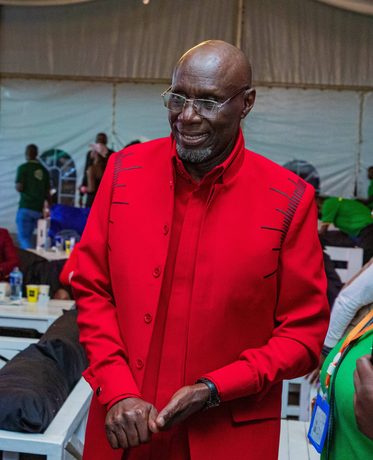
Machoka, however, reinvented himself. He ventured into entrepreneurial media before joining Radio Citizen in 2002.
He later challenged industry assumptions by successfully taking his radio show to national television, demonstrating that an accomplished presenter could connect with older generations who grew up listening to transistor radios as well as younger audiences consuming content on smartphones.
His five-decade career demonstrates the enduring value of cultural knowledge, institutional memory and authenticity in an industry increasingly shaped by rapidly changing trends and short-lived internet fame.
This 50-year celebration was an excellent first step, but it must not be the last.
To build on this momentum, the Media Council of Kenya (MCK) has launched the Media Legends Legacy Programme. The initiative seeks to move Kenya from “brain drain to brain gain” by integrating veteran media professionals into structured mentorship programmes.
Through these programmes, experienced journalists can pass on their knowledge to upcoming practitioners, particularly in media ethics and professionalism.
The framework also provides for institutional welfare and protection to address the financial and health challenges that media legends may face after leaving active practice. It further supports the newly formed Veteran Journalists Association.
By formalising this support and partnering with the State Department of Information to document and archive the country’s media history, Kenya is taking steps towards giving veteran talents such as Machoka the institutional recognition they deserve.
The ultimate goal is to preserve their contributions and ensure that future generations understand the people and experiences that shaped the country’s media industry.
Editor’s note: Fred Obachi Machoka is a member of the Gusii Scribes Welfare Association (GUSWA), the organisation that birthed this news platform. He also serves on its Advisory Board. On behalf of the membership, we congratulate him on his remarkable 50-year milestone in broadcasting and wish him continued good health, success and many more years of service to the media industry. This article was first published by the Media Observer, a weekly publication of the Media Council of Kenya (MCK).