By Nyang’au Araka
As Kenya edges towards the 2027 General Election, political campaigns are preparing to compete for attention, loyalty and votes.
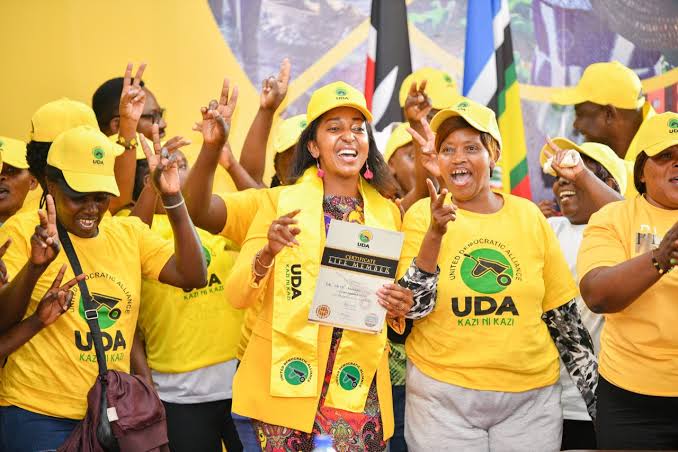
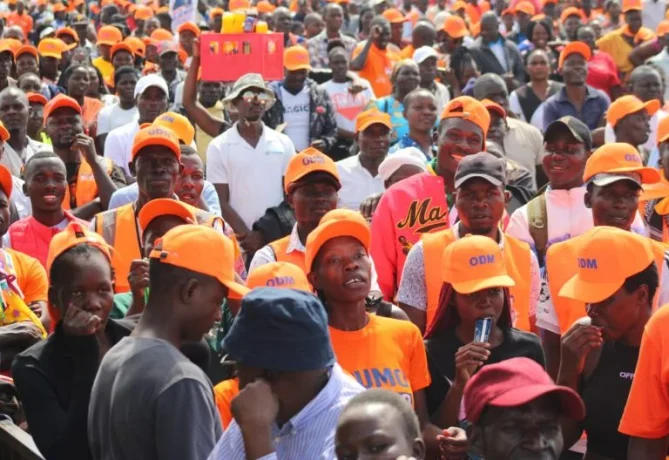
Beyond rallies, roadside billboards and political slogans, another familiar feature of election season is preparing to make a comeback: the campaign T-shirt.
Also Read
Alongside caps, jackets and other branded merchandise, these garments will turn streets, markets, villages and public transport vehicles into moving displays of political advertising.
Yet their significance extends beyond the immediate business of winning votes.
Campaigns do not merely seek to influence how Kenyans think; they also leave a visible mark on what they wear.
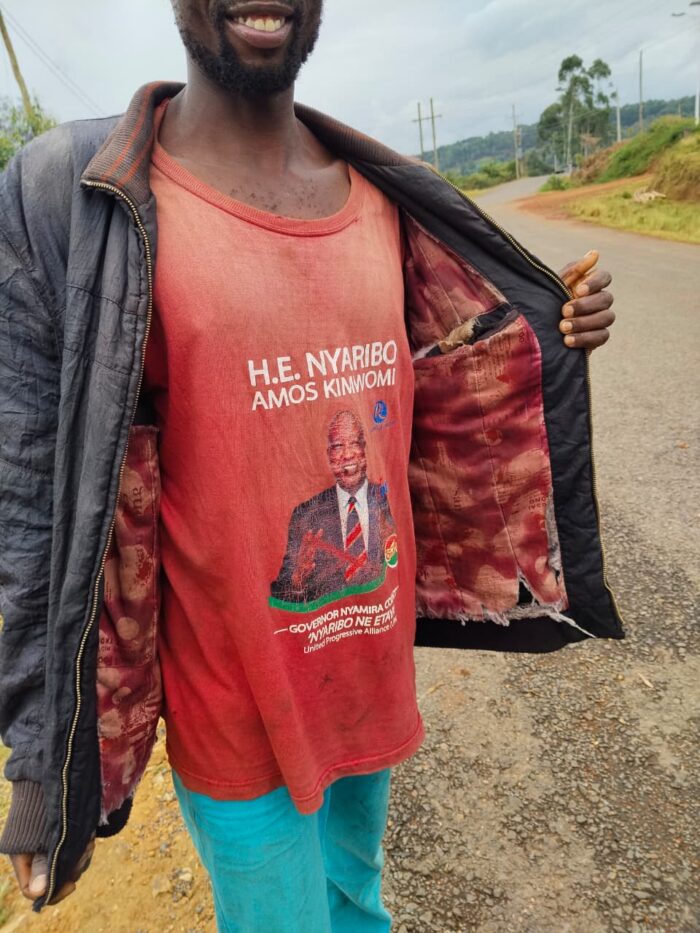
A photograph of a man wearing a faded red T-shirt bearing the image and name of Nyamira Governor Amos Nyaribo offers a glimpse into this overlooked dimension of political life.
The garment appears well worn, but its political branding remains visible, and the wearer possibly got it in the last General Election.
It is a reminder that campaign merchandise can have a much longer life than the political moment for which it was produced.
For a politician, a T-shirt distributed at a rally is a relatively inexpensive way of extending visibility beyond the event.
Every recipient becomes a potential walking advertisement, carrying the candidate’s name and image into spaces that campaign posters and billboards might never reach.
But the relationship between the garment and its wearer can evolve.
What begins as campaign merchandise may eventually become ordinary clothing worn while working, travelling, shopping or relaxing at home.
Its original political purpose may fade, even as the candidate’s name remains emblazoned across the chest.
This creates an intriguing distinction between political loyalty and practical necessity.
Wearing a politician’s T-shirt does not necessarily mean supporting that politician, just as discarding one does not automatically signal a change in political allegiance.
For some people, the garment may simply be useful clothing, regardless of the personality printed on it.
Indeed, a politician can lose an election, leave office or fall out of public favour, yet continue making appearances in people’s wardrobes years later.
The political career may have moved on, but the T-shirt has unfinished business.
Behind the colourful displays is a commercial ecosystem that deserves closer attention.
Campaign merchandise creates opportunities for graphic designers, printers, tailors, suppliers, transporters and distributors.
As political competition intensifies, orders for thousands of garments and accessories can provide seasonal business for those involved in their production and distribution.
For traders and manufacturers, election season represents an important commercial opportunity.
The scale of that opportunity, however, should not be assumed; it would require evidence from suppliers, campaign teams and industry players to establish the volume of orders and the money involved.
There are also questions about where the merchandise is manufactured, who secures the contracts, whether local businesses benefit and what happens to unsold stock after Election Day.
On Facebook, Tiktok and many other social media platforms, one can notice businesses advertising designing, printing and supply of campaign materials.
These questions make campaign clothing a business story about political spending, employment and the distribution of economic opportunities.
While T-shirts and caps bearing politicians’ names and images often become familiar sights during an electioneering period, their distribution may have implications for campaign spending, political advertising and the use of public resources.
The Election Campaign Financing Act provides a framework for regulating campaign expenditure, while electoral rules govern when and how campaigns may be conducted.
However, wearing a campaign T-shirt does not automatically constitute an offence.
The critical questions are who pays for the merchandise, when it is distributed and whether its use breaches electoral regulations.