By Benard Orwongo
Kenyans continue to die from haemophilia (a disorder where blood doesn’t clot in the typical way because it doesn’t have enough blood-clotting proteins), yet the condition is manageable.
Latest statistics show that over the past four years, 25 Kenyans have died from complications linked to the condition.
Also Read
This sobering statistic was shared by the Kenya Haemophilia Association (KHA) during this year’s World Haemophilia Day, sending a powerful and painful message: these deaths didn’t need to happen.
According to KHA, the crisis lies in a broken healthcare system and a lack of political will.
Patients are left without essential medication, medical professionals often don’t know how to diagnose or treat the disorder, and the national insurance doesn’t cover the care they need.
“Too many lives have been lost because proper checks were not made. This must stop immediately,” said KNH chairman Karanja Njoroge.
The theme for this year’s celebrations was, “Access for All: Women and Girls Bleed Too”.
It highlighted the often-overlooked experiences of females living with bleeding disorders.
Haemophilia, a condition where the blood does not clot properly due to the absence of clotting factors, can be life-threatening if untreated.
Yet in Kenya, life-saving clotting factor concentrates are either unavailable or unaffordable.
KHA fears that without government intervention, the country may revert to outdated and unsafe practices like unregulated blood transfusions, stopgap solutions that come with serious risks.
“Imagine living with a treatable condition, and knowing your death could come simply because the system failed you,” a patient’s family member shared quietly at the gathering.
Looking back
In 2019, KHA took a bold step and submitted Public Petition No. 60 to Parliament, urging the government to fund treatment, train healthcare workers, and include haemophilia under the national insurance scheme.
Parliament approved the proposal, but years later, little has changed.
This week, KHA laid out a seven-point action plan.
It recommended urgent steps including funding for clotting factor concentrates, public awareness campaigns, training for healthcare providers, and integrating bleeding disorder care into maternal health services to protect women during childbirth.
They are also urging the government to take a regional leadership role, pushing for East African countries to pool resources through the East African Legislative Assembly (EALA) to buy medicine in bulk and bring down costs.
“Kenya has the chance to lead by example,” Karanja said.
“Let us be remembered not for the 25 lives lost, but for the lives we chose to save.”

A disability
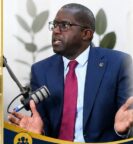
On his part, EALA member David Sankok, who was the chief guest, urged the government to recognise Haemophilia as a form of disability.
Sankok said patients should enjoy all the benefits like other people with disabilities.
“Imagine even cultural practices like circumcision are affected by this condition. This is because when they come of age, they go for the rite only to bleed to death, tell me if that is not a form of disability,” he said.
“Worse, most of them don’t know that they have the condition because they have never gone for testing.”
Financial struggle
Haemophilia comes with a huge financial burden.
One dose of the medicine costs around Kshs 50,000.
One needs three doses per year, which translates to Kshs 150,000.
“How many can afford that figure with this Economy?” quipped Karanja.
Under the circumstances, families are forced to sell their property to save a life, which sends them into poverty.