
By KPC Reporter
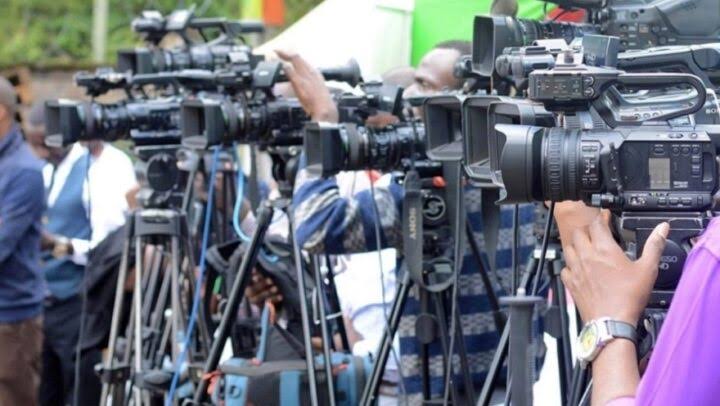
Attacks on journalists covering the Ol Kalou parliamentary by-election have triggered outrage from media organisations.
The groups accused security agencies of failing to protect reporters amid growing concerns over shrinking press freedom and political intolerance ahead of the 2027 General Election.
Also Read
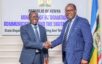
The condemnation came as President William Ruto, speaking at State House on Thursday, publicly reaffirmed his administration’s commitment to openness, accountability and access to information, declaring that “a confident Government does not fear scrutiny” and that trust is earned through transparency rather than demanded from citizens.
The apparent contradiction between the President’s message and events unfolding in Ol Kalou dominated reactions from the media fraternity after several journalists were assaulted and robbed of their equipment while covering the by-election in Nyandarua County.
According to the Media Council of Kenya (MCK), armed men attacked accredited journalists carrying out lawful newsgathering activities, seized cameras and other equipment, and injured reporters documenting events around the poll.
Among those attacked was The Star photojournalist Enos Teche, who was reportedly covering a confrontation involving residents and occupants of several vehicles when armed and masked men emerged, fired shots into the air and lobbed teargas canisters before turning on journalists.
MCK said Teche was assaulted and his camera forcibly taken, leaving him with injuries that required him to record a statement with investigators.
The council also reported that Nation Media Group journalist Brygettes Ngana and her cameraperson were assaulted by suspected plain-clothes police officers, who allegedly confiscated their camera.
In a strongly worded statement, MCK described the incidents as more than isolated violations of press freedom.
“The Council views these continued attacks as more than isolated press freedom violations, but deliberately orchestrated security actions aimed at intimidating media workers into censorship and fear,” the statement said.
The Kenya Editors Guild (KEG) painted an even darker picture, saying witness accounts indicated journalists were targeted simply for documenting activities at a polling station.
The organisation said one cameraman was beaten, tasered and robbed of his camera, while another journalist allegedly had a firearm pressed against her stomach before her phone was seized.
“These are not scenes that should be associated with a constitutional democracy,” the Editors Guild said.
“They resemble acts of intimidation designed to silence the media through fear and violence.”

The attack came barely a day after the Kenya Media Sector Working Group warned of what it described as a deteriorating media freedom environment in the country.
The Editors Guild noted that the speed with which those concerns were validated was “both alarming and unacceptable.”
Kenya Union of Journalists Secretary-General Erick Oduor linked the violence to a broader campaign against the media, warning that attacks on journalists posed a direct threat to democracy.
“An injury to a journalist or a media worker is an injury to our national spine,” Oduor said, describing the violence as an attempt to prevent the media from documenting events during the by-election.
He warned that the growing presence of armed gangs at political events could have grave consequences if left unchecked.
“We wish to state that journalists will not succumb to intimidation from the sponsors of anarchy,” Oduor said.
Both MCK and the Editors Guild demanded immediate investigations and accountability, calling on Inspector-General of Police Douglas Kanja to identify those responsible and ensure they face prosecution.
The media bodies also urged the Independent Policing Oversight Authority (IPOA) to closely monitor investigations where police officers may be implicated.
The incident has intensified scrutiny of Kenya’s commitment to democratic freedoms as the country moves closer to the 2027 elections.
While commissioning the country’s inaugural State of Openness Report at State House, President Ruto said transparency and accountability were constitutional obligations and insisted that government institutions must embrace scrutiny.
“Governments do not become weaker by confronting the truth about themselves. They become stronger,” he said.