By Josiah Kariuki
President William Ruto’s four-day tour of Kisii and Nyamira counties, which ended on November 11, 2026, brought development promises and government projects closer to the people of Gusiiland.
Beyond the launches, commissioning ceremonies and political speeches, residents will be keen to see whether these investments make a noticeable difference in their lives.
Also Read
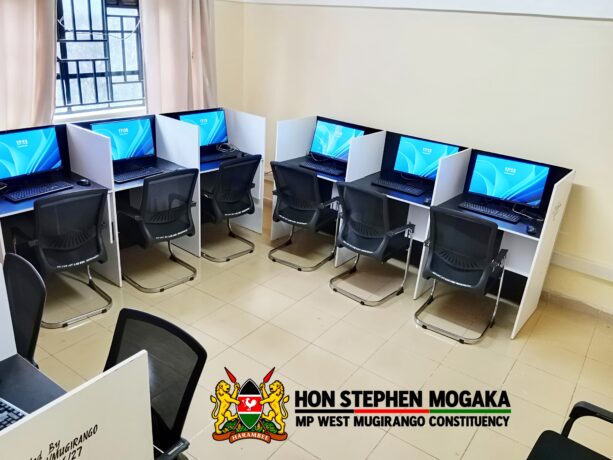
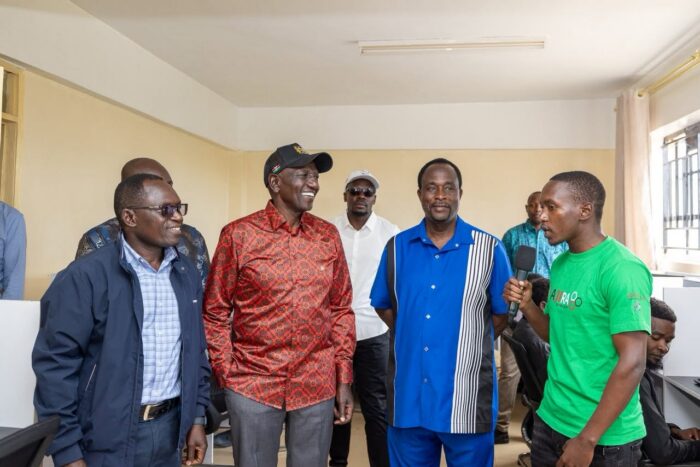
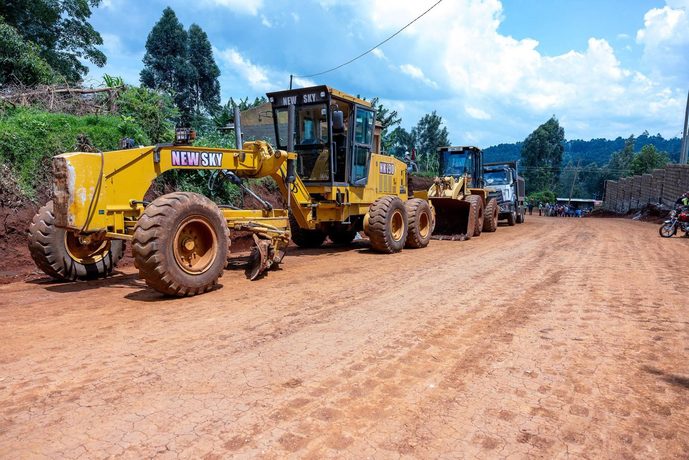
There was plenty to take note of during the visit. The launch of the Nyagesa–Irongo–Risamwera–Rianyamanga Road, commissioning of the West Mugirango Constituency ICT Hub, Ibeno Kenya Medical Training College and the M-PESA Foundation Nyankororo Comprehensive School were among the major highlights.
These are not insignificant undertakings. Roads open up communities, make it easier for farmers to move produce to markets and improve access to essential services. Better-equipped training institutions can prepare young people for employment, while investment in schools gives children a stronger foundation for the future.
The West Mugirango ICT Hub deserves particular attention. In a world where digital skills increasingly determine access to jobs, information and business opportunities, such facilities should not become buildings that look impressive during commissioning but remain underutilised afterwards. Young people must be able to access training, reliable equipment and practical skills that can help them participate in the digital economy.
The same expectation applies to the other projects. A road is only as useful as its quality and maintenance. A medical training college must have the capacity to deliver relevant training. A school needs teachers, learning materials and an environment that supports good education.
The presence of Kisii Governor Simba Arati and his Nyamira counterpart Amos Nyaribo, Members of Parliament and senior government officials, including Principal Secretary Stephen Motari Isaboke, also underscored the importance of cooperation between the national and county governments.
Development should never be held hostage by political differences. Leaders may belong to different political camps, but the people they serve have common needs.
For Gusiiland, the opportunities are enormous. Agriculture remains central to household incomes, yet farmers need better roads, reliable markets, affordable inputs and value addition to earn more from their work. Young people need opportunities beyond waiting for scarce government jobs. Health facilities need adequate staff, equipment and supplies.
This is where the Bottom-Up Economic Transformation Agenda (BETA) must prove its worth. Its success should not be measured by the number of projects announced or ceremonies held, but by the opportunities created, services improved and livelihoods changed.
President Ruto’s visit has raised expectations. The responsibility now rests with the national and county governments to ensure that the projects move beyond the excitement of commissioning and deliver what communities were promised.
Ultimately, development is not about political applause or who takes credit for a project. It is about whether a farmer can get produce to market, a young person can find meaningful work, a patient can receive treatment and a child can access quality education.