By GPC Correspondent
The East African Community (EAC) is seeking funding and technical support to implement 48 regional development projects.
The five-year programme targets improved trade, infrastructure and livelihoods across its eight member states.
Also Read
The proposals, covering economic integration, productive sectors, infrastructure, social development, science and technology, institutional strengthening, peace and security, form part of an initiative to translate the bloc’s development priorities into practical investments.
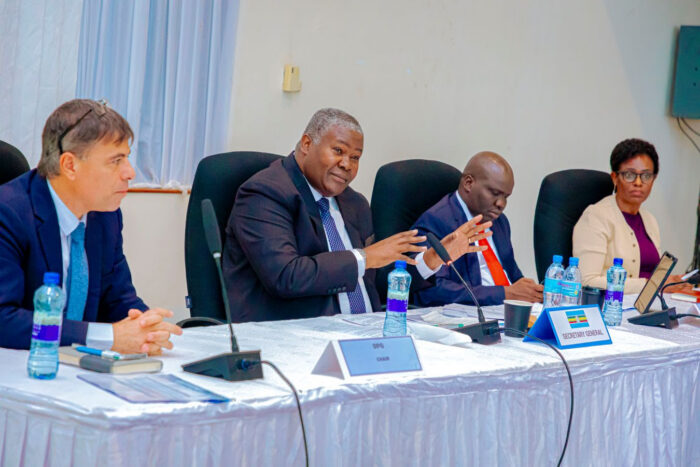
The push for additional resources emerged during the fourth EAC Development Partners Group Forum held at the Community’s headquarters in Arusha, Tanzania, from November 10 to 11, 2026.
The meeting brought together the EAC and its development partners to discuss funding opportunities, ongoing programmes and ways of improving coordination in implementing the 7th EAC Development Strategy covering the 2026/27–2030/31 financial years.
EAC Secretary-General mb. Stephen Mbundi said the focus was shifting from setting development priorities to implementing projects capable of delivering measurable benefits to citizens.
“The 7th EAC Development Strategy sets out an ambitious agenda for a more integrated, competitive and resilient East Africa. Our priority now is implementation,” Mbundi said.
He said the forum was intended to build partnerships that would bring together financing, technical expertise and investment to support regional programmes.
The proposed projects will target areas considered critical to regional integration and economic growth, including cross-border trade, infrastructure development and productive sectors.
The EAC currently has 42 active projects valued at approximately USD 370 million, supported by 12 major development partners through direct and indirect financing arrangements.
The existing portfolio provides a foundation for the implementation of the new strategy, with the Community seeking to strengthen coordination and attract additional resources for its regional priorities.
Mbundi said the success of development partnerships should be measured by their impact on people’s lives rather than the amount of money raised.
“Our measure of success will not simply be the amount of resources mobilised, but the impact those resources create,” he said.
He identified reducing the cost of doing business across borders, strengthening infrastructure and productive sectors, and creating opportunities for young people and women among the expected benefits of the partnerships.
The development strategy also emphasises resource mobilisation, financial sustainability and structured engagement with development partners as key requirements for successful implementation.
On their part, development partners used the forum to assess the EAC’s priorities, provide feedback on proposed interventions and identify areas where their financial and technical support could deliver the greatest regional impact.
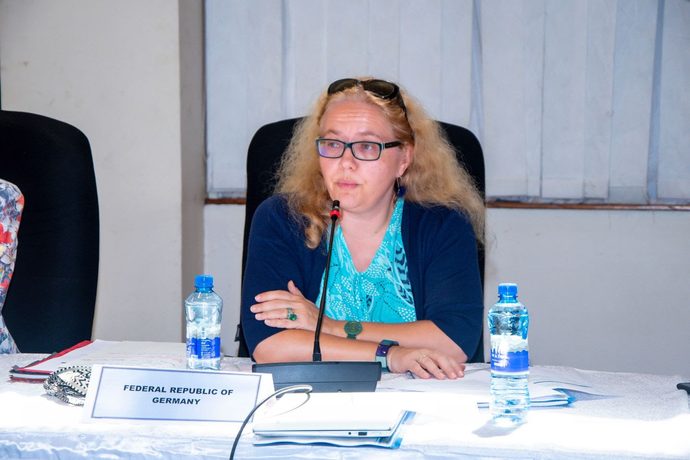
Ms Julia Kronberg, Head of Development Cooperation for Tanzania and the EAC at the German Embassy in Tanzania and chairperson of the EAC Development Partners Group, called for closer alignment between donor support and the Community’s development priorities.
She said sustainable regional development required more than financing individual projects, stressing the importance of coordination and shared accountability.
“Development Partners recognise that achieving sustainable regional impact requires more than financing individual projects. It requires strong alignment with EAC priorities, effective coordination and shared accountability for results,” Kronberg said.
She added that the forum provided an opportunity to identify areas where collective support could help translate the 7th Development Strategy into tangible improvements in people’s lives.
The EAC aims to use the partnerships to expand trade and investment opportunities, strengthen infrastructure and productive capacity, support peace and security, and improve livelihoods across the region.
The eight EAC Partner States are Kenya, Uganda, Tanzania, Rwanda, Burundi, South Sudan, the Democratic Republic of Congo and Somalia.