By Ongaga Ongaga
Kirinyaga Governor Anne Waiguru says her experience in government and politics makes her qualified to deputise President William Ruto if he seeks re-election in 2027, as she eyes the presidency in 2032.
The two-term governor, who previously served as a Cabinet secretary, said her experience in public service, political mobilisation and campaign financing had prepared her for national leadership.
Also Read
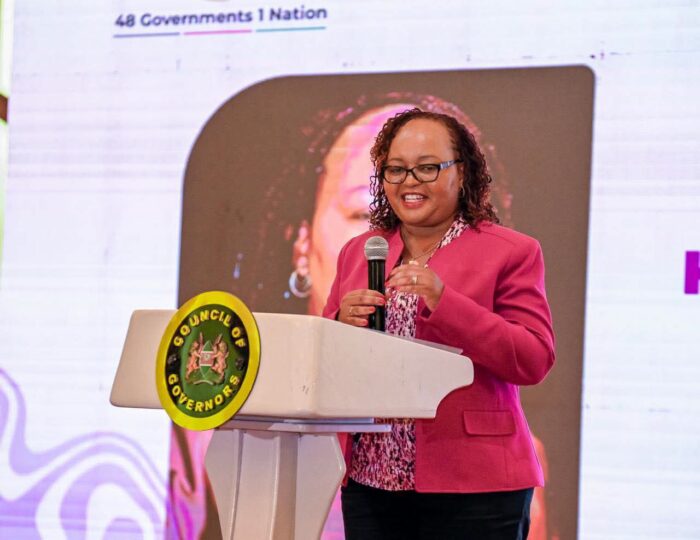
Speaking at a strategic meeting of women leaders in Nairobi, convened by the Council of Governors’ G7 leadership, Waiguru urged women to pursue their political ambitions and demand a place at decision-making tables.
She said women should not allow their gender to be used to dismiss their leadership ambitions, adding that they needed to organise and mobilise support for their political agenda.
Waiguru said her experience and ability to mobilise resources for a campaign meant her presidential ambitions should also be taken seriously.
The meeting brought together senior women leaders, including Secretary to the Cabinet Mercy Wanjau and Homa Bay Governor Gladys Wanga, to discuss women’s representation in government and elective positions.
The leaders also called on women MPs to support two proposed bills in the National Assembly and Senate seeking to increase parliamentary seats until gender parity is achieved.
The Senate bill is sponsored by Senate Majority Leader Aaron Cheruiyot, while the National Assembly proposal is co-authored by Uasin Gishu Woman Representative Gladys Shollei, Dagoretti North MP Beatrice Elachi and Laikipia Woman Representative Jane Kagiri.
The proposals seek to address the persistent failure to implement the two-thirds gender principle provided for in the 2010 Constitution, which requires that no more than two-thirds of members of elective or appointive bodies be of the same gender.
Although the proposals could increase the number of legislators, the women leaders argued that additional seats were necessary to improve women’s representation.
They also discussed the challenges women face in seeking elective office, including the cost of campaigns, and called for the establishment of a fund to support female candidates from the Member of County Assembly level to the presidency.
Wanjau said the Ruto administration had introduced policies aimed at supporting women in leadership, while participants urged the government to do more, including adopting a 50-50 approach to appointments in public institutions.
Waiguru also criticised the level of women’s representation in decision-making, arguing that greater inclusion could help address some of the government’s challenges.
Wanga acknowledged progress in the fight for women’s representation but said women leaders needed to work together to achieve further gains. She warned that women risked undermining their collective ambitions if they pursued leadership opportunities independently rather than supporting one another