By GPC News Desk
A dispute over the recognition of protest deaths has put the Uwiano compensation programme under scrutiny, with the Democratic Party (DP) questioning its figures as the panel dismisses corruption allegations.
In a statement, DP leader Justin Muturi questioned reports that only one fatality had been recognised among 157 cases recently approved for compensation following the deadly June-July 2024 anti-government protests.
Also Read
“This figure raises serious questions about the credibility, integrity and transparency of the entire exercise,” Muturi said.
Muturi argued that the reported figure appeared inconsistent with findings published by human rights organisations documenting deaths during the demonstrations.
He cited reports by the Kenya National Commission on Human Rights (KNCHR), as well as investigations by Human Rights Watch and Amnesty International, which documented dozens of deaths linked to the protests.
“If this figure is being advanced as an account of the deaths arising from protests, it amounts to an industrial-scale cover-up of documented human rights violations,” Muturi said.
He demanded that the panel publish its methodology for assessing compensation claims, including the number of families registered, verified or excluded from the exercise.
Muturi also questioned whether hospital, mortuary, post-mortem and Independent Policing Oversight Authority (IPOA) records had been examined during the verification process.
“Compensation is not justice, and reconciliation cannot be built on the erasure of human lives,” he said.
“Families deserve more than cheques; they deserve truth, justice and accountability.”
The panel, chaired by constitutional scholar Prof. Makau Mutua, maintained that its compensation decisions were subjected to rigorous verification.
In a statement, the Panel of Experts on Compensation of Victims of Human Rights Violations clarified that it had processed 236 fatality claims for compensation as of that date.
It also urged the media and members of the public to verify information before publication.
The panel’s clarification came amid separate allegations of corruption in its compensation programme, which it dismissed following an internal investigation.
It said key allegations circulating in the media and on social media had been found to be unfounded, adding that two complainants had withdrawn claims that officials demanded money to facilitate compensation applications and related services.
According to the panel, Margaret Onyango Okitch, who had accused an IPOA officer of soliciting Sh150,000 to process a fatality claim, later retracted the allegation.
The panel said Okitch “regrets being misadvised in her victims’ WhatsApp group” and had also withdrawn a similar accusation against IPOA.
In another case, the panel said Stellanaries Nthenya had withdrawn claims that a staff member demanded Sh1,200 to facilitate the notarisation of an affidavit.
It clarified that notarisation was an external service not offered by the panel.
The panel also challenged Fredrick Ojiro, who had alleged that one of its members received a Sh100,000 bribe, to submit evidence to investigators or make the details public.
“The Panel exercises the highest standard of scrutiny to ensure that only eligible claims are compensated,” the statement said, adding that “not a single false claim has been paid”.
It further reassured victims and the public that all its services were free of charge, warning against individuals demanding money to facilitate applications or influence decisions.
“Treat as fraudulent anyone asking for money to act on your behalf or to facilitate any action before the Panel,” it said.
The competing accounts have intensified scrutiny of the compensation exercise, particularly over how fatality claims are documented, verified and ultimately approved.
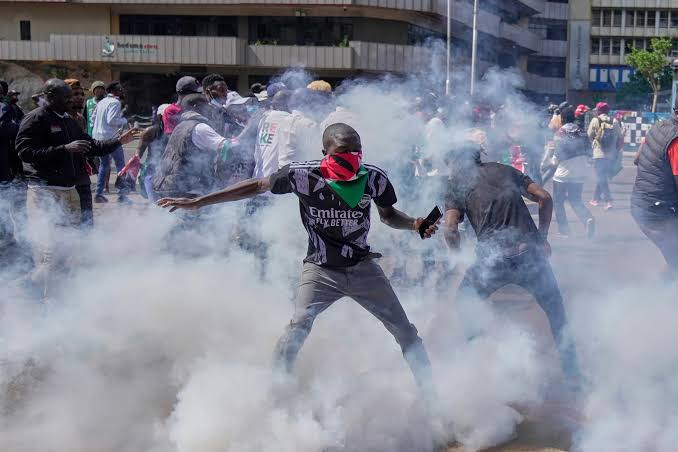
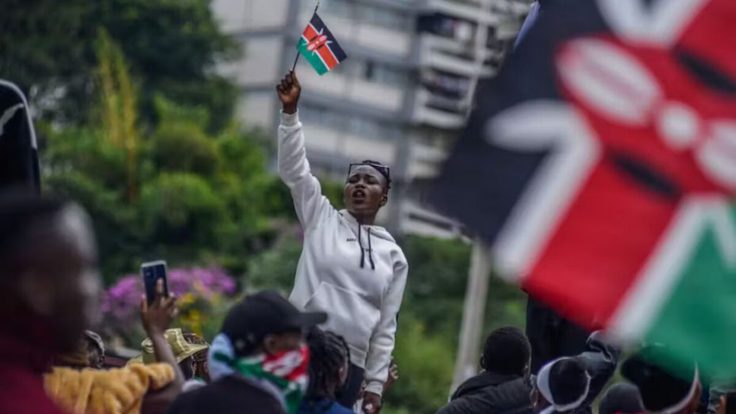
The June-July 2024 protests were marked by allegations of excessive force by security agencies, deaths, injuries and disappearances.