By GPC News Desk
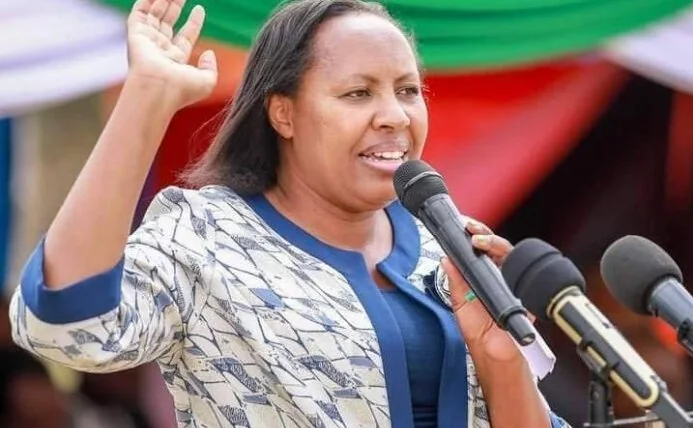
Kipipiri MP Wanjiku Muhia has objected to proposed tax regulations she says could increase the financial burden on persons with disabilities and their caregivers.
In a memorandum submitted to the Kenya Revenue Authority (KRA), Muhia challenged the Draft Income Tax (Persons with Disabilities, Parents or Guardians Tax Exemptions) Regulations, 2026, published on November 9.
Also Read
She called for the retention of the KSh150,000 monthly tax exemption for all registered persons with disabilities (PWDs), warning against a proposed tiered system that would vary relief according to the severity of disability.
Muhia, who also sits on Parliament’s Regional Integration Committee, argued that the proposed arrangement would discriminate against some beneficiaries and violate constitutional protections on equality and the rights of persons with disabilities.
“The KSh150,000 monthly exemption must be retained as a guaranteed minimum for all registered PWDs, without severity-based percentages,” she said in the memorandum addressed to the KRA Commissioner General.
She also opposed the proposed KSh1,000 application fee, arguing that it contradicted the Persons with Disabilities Act, 2025.
The MP further questioned a requirement for beneficiaries with permanent conditions to undergo reassessment every five years, saying the process would impose unnecessary financial and administrative burdens on individuals who already hold valid medical documentation.
She wants existing exemption certificates for permanent disabilities to remain valid without recurring assessments.
Muhia also raised concerns over the proposed KSh10,000 monthly tax exemption for parents and guardians caring for persons with disabilities, saying the amount was inadequate to meet the financial demands of caregiving.
She proposed increasing the exemption to at least KSh40,000 per month.
“The proposed KSh10,000 monthly exemption for parents and guardians is insufficient and should be increased to at least KSh40,000 per month,” she said.
On public participation, Muhia argued that the November 9 to 24 consultation period was too short to allow meaningful engagement, particularly among persons with disabilities living in rural areas.
She faulted the proposed process for relying heavily on online submissions without adequately providing accessible formats such as Braille, Kenyan Sign Language and easy-to-read materials.
She called for a 60-day extension of the consultation period, alongside physical forums at county and constituency levels to enable wider participation.
The MP also proposed decentralising disability assessment services through county-based, home-based and virtual assessment options to reduce the cost and inconvenience of accessing the services.
Another concern was the proposed creation of an additional committee to oversee aspects of the exemption process, which she said could duplicate existing structures and cause bureaucratic delays.
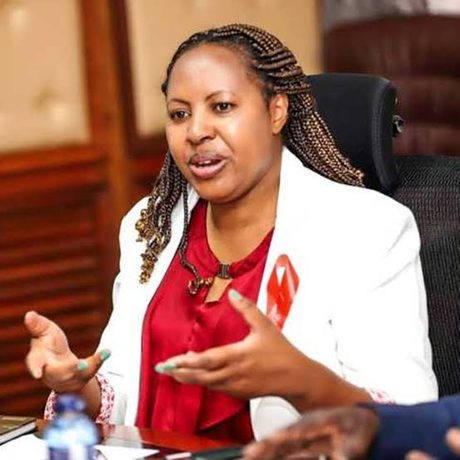
She called for the deletion of several provisions in the draft regulations, including Regulations 7, 8 and 9, arguing that the existing assessment system should be retained or improved rather than subjected to additional administrative layers.
Muhia further proposed amendments to provisions governing the issuance and validity of exemption certificates.
She wants the Commissioner of Domestic Taxes to issue an exemption immediately upon receiving the required documentation and has opposed a five-year expiry period for certificates covering permanent disabilities.
She also wants existing beneficiaries protected from changes under the proposed regulations, calling for the deletion of Regulation 34(4) to ensure that valid exemption certificates remain recognised until their natural expiry.
The MP questioned the draft’s first schedule, which lists only five categories of disabilities, arguing that the definition should accommodate other conditions recognised under the Persons with Disabilities Act, 2025, including hidden disabilities.
She said the proposed framework should also safeguard the medical privacy of beneficiaries.
Muhia said her objections were informed by the need to protect the estimated 7.5 million Kenyans living with disabilities from regulations that could undermine their access to tax relief.
She asked KRA to consider the proposed amendments and invite her for physical consultations on the concerns raised.
The draft regulations are expected to provide a framework for administering income tax exemptions for persons with disabilities and their parents or guardians. Muhia’s memorandum comes as the public participation process remains open until November 24, 2026.