By Mandere Onyinkwa
Doctors have welcomed the return of nurses to public hospitals following a deal between the Kenya National Union of Nurses and Midwives (KNUNM) and the Council of Governors.
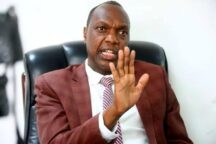
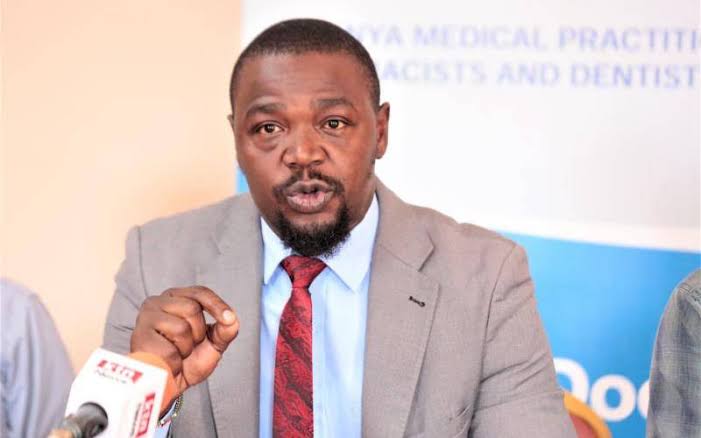
In a statement issued on Wednesday, The Kenya Medical Practitioners, Pharmacists and Dentists’ Union (KMPDU) (KMPDU) Secretary-General Dr Davji Bhimji Atellah congratulated the two sides for reaching an agreement that ended the more than 40-day nationwide nurses’ strike.
Also Read
“We welcome and congratulate the Council of Governors and the Kenya National Union of Nurses and Midwives on reaching an agreement that has brought the over 40 days nationwide nurses’ strike to an end,” Dr Atellah said.
He described the agreement as an important step for Kenya’s healthcare system and for millions of Kenyans who depend on public hospitals for essential services.
The nurses’ strike, which began on July 29, was called off on Wednesday after the union and governors signed a return-to-work agreement. Nurses have been directed to resume duty immediately or within 24 hours.
Under the agreement, the parties have 45 days to conclude negotiations on the implementation of the 2017 Collective Bargaining Agreement.
The Council of Governors will also coordinate the development of model career guidelines for nurses within the same period.
Universal Health Coverage staff are to be employed on permanent and pensionable terms from July 1, 2026, at rates approved by the Salaries and Remuneration Commission.
The deal also provides for an increase in nurses’ risk and uniform allowances, with the two allowances set to rise by a combined Sh13,000.
KMPDU had threatened to issue a strike notice if the nurses’ grievances were not resolved, citing the increased workload placed on doctors and other healthcare workers during the nurses’ absence.
Dr Atellah said the return of nurses would help ease pressure on doctors, who had been forced to shoulder additional responsibilities in understaffed public hospitals.
“The return of nurses to our hospitals will help ease the immense pressure that has been placed on doctors and other healthcare workers over the past 40 plus days,” he said.
He urged all parties to honour the commitments made under the new agreement, warning that ending the strike should mark the beginning of efforts to address the deeper challenges facing healthcare workers.
“The work does not end with calling off the strike,” Dr Atellah said.
The KMPDU boss said the union had supported nurses because a functional healthcare system could not be built by leaving healthcare workers behind.
“You cannot build a functional healthcare system by leaving its healthcare workers behind,” he said.
The nurses’ strike had disrupted services in public hospitals across the country and raised concerns over the sustainability of Kenya’s devolved healthcare system. Doctors had warned that the prolonged absence of nurses was putting additional strain on an already stretched workforce.
Dr Atellah welcomed the agreement as an opportunity to strengthen the health system rather than simply restore services to their pre-strike state.
“Now, let us get back to what brought us into healthcare in the first place, serving and saving lives,” he said.