By GPC Reporter
The Ministry of Health has urged churches across Kenya to promote healthy eating habits and help communities guard against diet-related diseases.
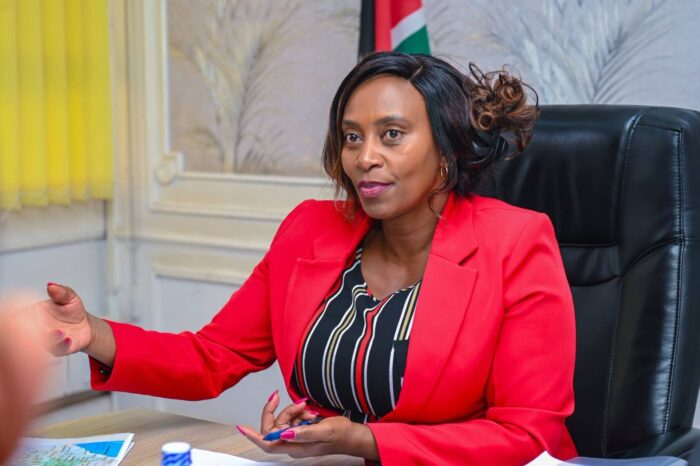
In an official address to church congregations issued on Sunday, Principal Secretary for Public Health and Professional Standards Mary Muthoni Muriuki called on church leaders to use their platforms to share accurate nutrition information.
Also Read
The ministry said churches could play an important role in improving public health by educating congregants on the importance of balanced diets and encouraging healthier food choices.
“Good nutrition helps in the growth and development of children and adolescents, maintains the health and proper functioning of the body and also builds immunity and recovery,” the statement said.
The ministry warned that unhealthy diets increase the risk of non-communicable diseases, including diabetes, hypertension, stroke, some cancers and heart-related complications.
It encouraged Kenyans to eat diverse meals containing vegetables, fruits and protein sources such as legumes, meat, nuts and seeds.
The ministry recommended consuming at least three portions of vegetables daily, spread across different meals, while varying the types eaten to include dark green leafy vegetables, carrots, pumpkins, tomatoes, onions, cucumbers and eggplants.
It also advised households to limit foods high in added sugar, salt and fats, including sugary drinks, sweets, cakes, biscuits, deep-fried foods and highly processed snacks.
“Use healthy cooking methods by avoiding deep frying; instead, bake, roast, steam or boil foods,” the statement advised.
On snacks, the ministry encouraged families to consider alternatives such as green maize, roots and tubers, milk, nuts, seeds, fruits and enriched porridge instead of crisps, cakes and heavily salted snacks.
It further urged Kenyans to eat breakfast daily, combining foods from at least three food groups, and drink sufficient water throughout the day.
The ministry also called for regular nutrition assessments, even among people who consider themselves healthy, saying the checks could help detect malnutrition early, provide counselling and reduce the risk of non-communicable diseases.
Those living with chronic conditions such as diabetes and hypertension were advised to consult nutritionists regularly for personalised dietary guidance.
The statement also cautioned against relying on unverified nutrition advice circulating on social media or information from people without professional nutrition qualifications.
“Avoid using unverified messages from social media and people who are not nutrition professionals to prevent consumption of products or diets that may be detrimental to your health,” it said.
The ministry further encouraged families to eat together regularly, saying the practice could promote healthy eating, help manage portions and allow parents to model good dietary habits.