By GPC Reporter
For years, patients in Western Kenya requiring highly specialised treatment have often had to travel to Nairobi or other major centres, sometimes at great financial and emotional cost to their families.
That reality is gradually changing, with Jaramogi Oginga Odinga Teaching and Referral Hospital (JOOTRH) expanding its specialist services and positioning itself to provide increasingly complex care closer to home.
Also Read
But the hospital faces a challenge that could determine how far that transformation goes: a shortage of specialist doctors.
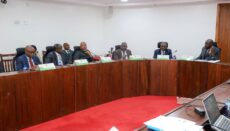
Consultants at JOOTRH have now taken the lead in identifying the gaps that must be addressed as the hospital works towards becoming a Level 6A National Teaching and Referral Hospital.
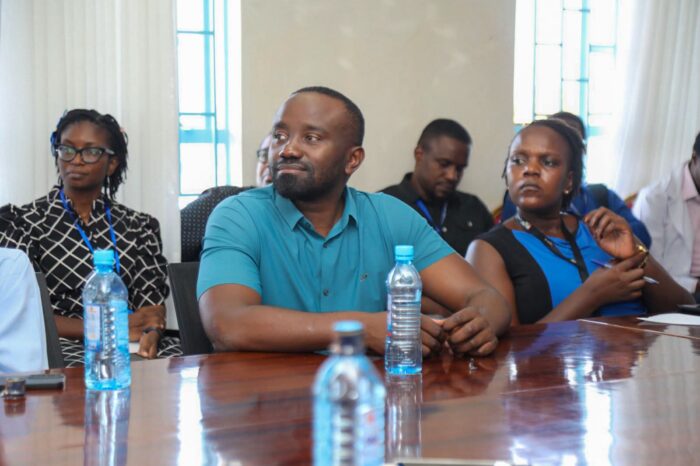
During a consultative engagement on the hospital’s clinical direction, the consultants identified specialist recruitment, theatre capacity, infrastructure, patient flow and accountability systems as key priorities.
JOOTRH Acting Director of Clinical Services Dr Paul Mitei said the hospital currently has only 67 consultants against an establishment of 180.
“In terms of specialization, we still have a gap. Out of the staff establishment of 180 consultants, we only have 67, so we have a long way to go,” Dr Mitei said.
He said the hospital had nevertheless made significant progress compared with the previous year and was developing a gradual recruitment plan.
“We are not where we were before. We are not a year ago and where we are today, but we are making a lot of efforts so that we have enough money to employ more specialists gradually,” he said.
Dr Mitei said JOOTRH could target about 50 additional specialists in the next financial year, followed by further recruitment in subsequent years until the approved establishment is achieved.
The need for more specialists comes as the hospital continues to expand the complex services available to patients, including neurosurgery, cardiothoracic surgery, orthopaedic and trauma surgery, paediatric surgery, ENT, ophthalmic surgery, urology, maxillofacial and reconstructive surgery, oncology, nephrology, critical care and cardiology.
Major milestones
In September 2025, its Victoria Annex became the site of Kenya’s first automated red blood cell exchange in a public hospital, giving patients living with sickle cell disease access to an advanced treatment option.
The facility is now being developed as a regional centre for sickle cell disease and haematology care, with increasing numbers of children and adults accessing the therapy.
JOOTRH is also preparing for its first open-heart surgery in Kisumu, another major step in expanding cardiothoracic care in the region.
Its cardiac programme includes cardiology clinics, echocardiography, ECG and stress testing, cardiac catheterisation and open-heart surgery.
Ag Chief Executive Officer Dr Joshua Clinton Okise said specialisation was central to the hospital’s transformation.
He said JOOTRH was seeking to improve access to high-quality specialised healthcare, strengthen referral pathways and patient flow, and expand research, training and adoption of innovative medical practices.
The hospital’s service portfolio also includes oncology and palliative care, nephrology, internal medicine, mental health, haematology and sickle cell disease management, alongside its expanding surgical specialties.
But more patients and more complex procedures also mean more pressure on the hospital.
Consultants identified additional theatre space as a priority, saying increased operating capacity would be necessary to handle the growing volume and complexity of surgery.
They also proposed measures to decongest consultant clinics, improve referral coordination and strengthen accountability for specialist services.
For patients across Western Kenya, the ambition is ultimately simple: access advanced medical care without having to travel hundreds of kilometres to find it.