By Nyang’au Araka and Courtesy/ JOOTRH
When Steve Ouda noticed a tumour in his right breast in 1993, he may not have imagined that it would take years before he sought medical attention and received a definitive diagnosis.
A biopsy conducted at Moi Teaching and Referral Hospital (MTRH) in 2018 confirmed stage three breast cancer, marking the beginning of a difficult treatment journey involving surgery and chemotherapy.
Also Read
Ouda’s experience, however, would later become an important reminder that breast cancer is not exclusively a women’s disease and that men should not ignore unusual changes in their breasts.
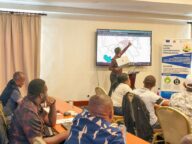
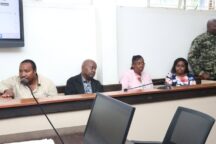
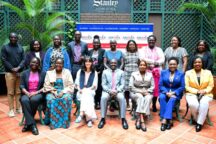
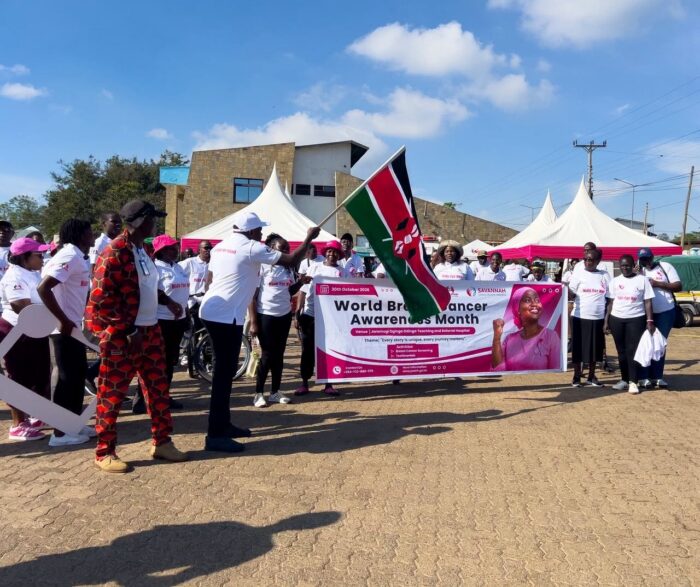
He was among the survivors who shared their experiences when Jaramogi Oginga Odinga Teaching and Referral Hospital (JOOTRH), together with partners, marked the end of Breast Cancer Awareness Month at the hospital in Kisumu.
The gathering brought together survivors, caregivers, healthcare workers and partners under the theme, “Every Story Is Unique, Every Journey Matters.”
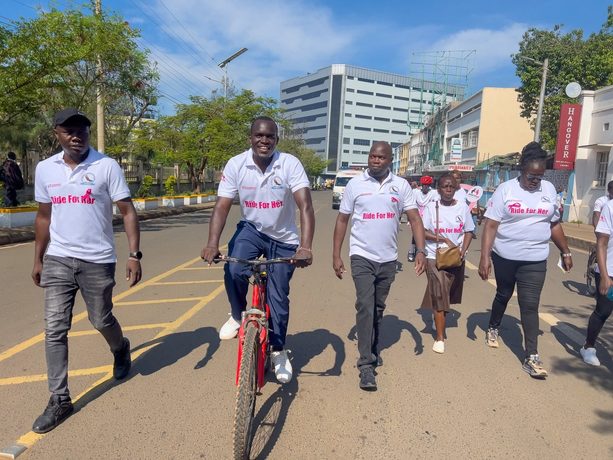
It followed the “Ride for Her” awareness walk and cycling event, which started at the hospital, proceeded to Kisumu town and returned to JOOTRH.
Ouda’s story stood alongside that of Grace, who was diagnosed with stage four breast cancer in 2018.
She recounted undergoing chemotherapy, breast surgery and radiotherapy, describing a journey marked by physical and emotional challenges.
She said her faith and the support she received played an important role in helping her through treatment and recovery.
Together, the two survivors highlighted the importance of early detection, regular screening and timely medical attention, regardless of gender.
Phoebe Oballa, chairperson of the Anchor of Hope Cancer Support Group, urged participants to make cancer screening a priority, emphasising the importance of taking personal responsibility for their health.
Dr Gabriel Eliazaro, a gynaecologist at JOOTRH, also stressed early detection, timely treatment and partnerships as key measures in reducing breast cancer deaths.
According to the World Health Organization (WHO), approximately 2.3 million women were diagnosed with breast cancer globally in 2022, while 670,000 deaths were recorded.
Through its Global Breast Cancer Initiative, WHO is targeting an annual reduction of 2.5 per cent in breast cancer mortality, with the aim of averting 2.5 million deaths by 2040.
Dr Eliazaro encouraged people to practise breast self-awareness, undergo regular screening and seek prompt medical assessment whenever they notice unusual changes. He also urged patients to register with the Social Health Authority (SHA) to help ease the financial burden of accessing treatment.
The hospital, meanwhile, announced plans to establish radiotherapy services by April or May 2027, subject to implementation.
The proposed facility is expected to improve access to comprehensive cancer treatment for patients in the region, reducing the need to travel elsewhere for the service.