By GPC News Desk
Children with visual impairments need greater opportunities to participate in sport, share their experiences and access mental health support.
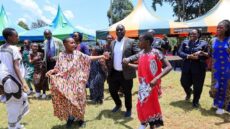
This was revealed by stakeholders during World Mental Health Day celebrations at Thika School for the Blind on Satuday.
Also Read
The event brought together stakeholders to highlight the mental health needs of children with visual impairments and promote sport as a tool for inclusion, physical wellness and social development.
It was organised through Pamoja, an initiative developed by Kenyan alumni of the Global Sports Mentoring Program (GSMP), under this year’s World Mental Health Day theme, “Lived experiences heard: real voices, real change.”
Psychologist Monica Mahinda said engaging directly with children with special needs was essential to understanding their experiences and developing appropriate interventions.
She noted that children with disabilities were often overlooked in mental health conversations, making it necessary to create platforms where they could express their concerns and have their needs addressed.
Sport, she added, offered a universal way of promoting both mental and physical wellness.
Grace Kiraguri, a Pamoja co-convener, said opportunities for children with visual impairments to participate in sporting activities remained limited, prompting the initiative to focus on the often-neglected group.
She said Pamoja planned to reach more learners through adaptive games and sporting activities tailored to their needs.
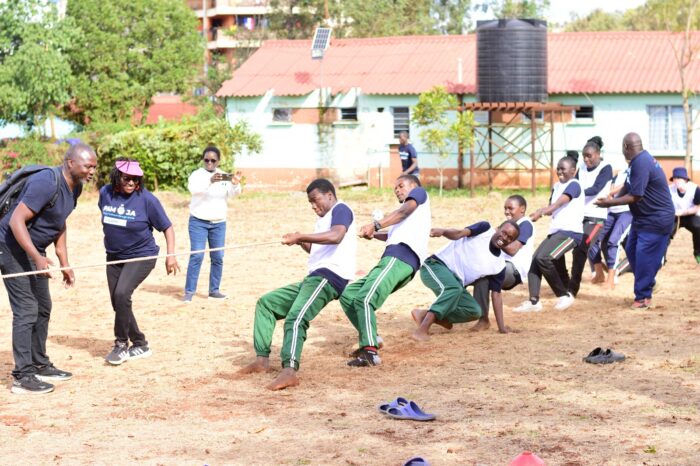
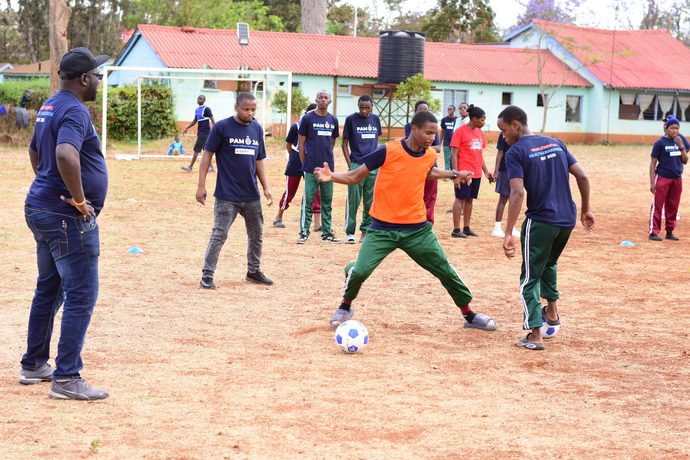
The celebrations featured adaptive football and tug of war, giving learners an opportunity to interact, exercise, work as a team and enjoy shared experiences.
Maculate Onyango, another Pamoja co-convener, acknowledged the support of the Global Sports Mentoring Program in establishing the initiative, saying the organisers hoped to draw on the expertise of the alumni network and other sport-for-development programmes to promote well-being and positive social change.
The Deputy Principal of Thika School for the Blind welcomed the initiative, noting that children with visual impairments could face particular mental health challenges arising from their circumstances.
She said it was important to provide platforms where learners could be heard, supported and equipped with ways of understanding and coping with such challenges.
According to Kiraguri, Pamoja hopes to make the activity a recurring exercise and extend sporting opportunities to more learners with visual impairments.
The initiative is also encouraging schools, communities and other stakeholders to invest in accessible sporting activities and supportive environments that respond to the needs of children with disabilities.
The organisers said listening to children’s lived experiences should go beyond giving them an opportunity to speak, with their concerns informing the support and interventions designed for them.
For children with visual impairments and other disadvantaged groups, this means moving beyond speaking on their behalf to understanding their realities and creating opportunities that enable them to participate fully in society.