By GPC Business Desk
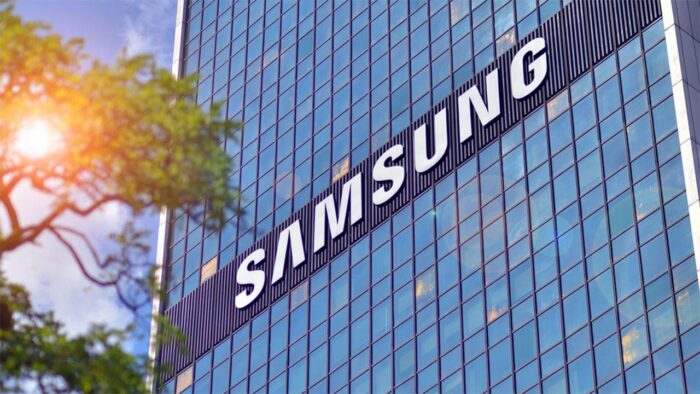
Samsung Electronics has emerged as Africa’s leading smartphone brand by revenue in the first half of 2026, buoyed by a flexible payment model that allows customers to buy devices through daily or weekly instalments.
The South Korean technology giant also topped the market in unit sales in the second quarter, marking a significant shift in its performance since entering the African market in 1995.
Also Read
According to market research firm TechInsights, Samsung first secured the top position in smartphone revenue in the first quarter before extending its lead to both revenue and unit sales in the second quarter.
The performance came despite a 16.6 per cent year-on-year decline in overall smartphone sales across Africa during the second quarter.
Samsung’s unit sales, however, increased by 34.8 per cent over the same period, according to the company.
The manufacturer is also projecting that it will finish the year as Africa’s leading smartphone brand in both revenue and sales volume, with an estimated 34.5 per cent share of market value and 38.7 per cent of total units sold.
Its projected unit market share represents an increase of more than 16 percentage points from the 22.4 per cent recorded in 2024 and 26.5 per cent in 2025.
The company attributed much of its growth to an instalment payment arrangement designed around the earnings patterns of African consumers, many of whom rely on daily and weekly incomes rather than regular monthly salaries.
The company said the instalment programme accounted for 46 per cent of its smartphone revenue in Africa during the first half of the year, suggesting that flexible financing has become an important part of its market strategy.
The arrangement is designed to address the high upfront cost of smartphones in a region where many consumers earn between $100 and $500 monthly, while some depend on daily or weekly wages.
Samsung said the model was helping bridge the gap between what consumers want and what they can afford.
Premium phones and security
The company is also seeking to distinguish itself from competitors through device security, durability and long-term software support rather than competing primarily on price.
Its Galaxy A series offers up to seven years of operating system and security updates, alongside Samsung Knox security technology.
Samsung said its sales of premium Galaxy S and Z series smartphones in Africa increased by 20 per cent year on year in 2026, which it attributed partly to reduced upfront purchasing costs.
The manufacturer has also expanded its after-sales service network to 281 locations across 38 African countries.
The emphasis on security comes as smartphones increasingly serve as financial tools across the continent, particularly through mobile money services.
According to the GSMA’s 2026 State of the Industry Report on Mobile Money, sub-Saharan Africa accounted for approximately $1.4 trillion of the more than $2 trillion transacted through mobile money globally in 2025.
The extensive use of mobile money has also heightened concerns about fraud, making device security an important consideration for consumers who use their phones to receive salaries, make purchases and manage financial transactions.
Samsung said its strategy was to offer devices that customers could trust over the long term rather than relying on low prices to attract buyers.
Competition remains intense
The company’s performance comes amid a challenging period for Africa’s smartphone industry, where affordability remains a major factor in purchasing decisions.
Independent market research also points to the intensity of competition. Omdia’s second-quarter 2026 shipment figures, for instance, placed Transsion ahead of Samsung in unit shipments, with 47 per cent and 22 per cent market shares respectively. Omdia has also forecast a 26 per cent contraction in Africa’s smartphone market for the full year.
The difference highlights the importance of distinguishing between market rankings based on revenue and those based on shipments, as research firms may use different methodologies.
Samsung is also expanding its engagement with African communities through activities surrounding the Dakar Youth Olympic Games, scheduled for 2026, which will be the first Olympic event hosted on African soil.
The company says the initiative forms part of its wider efforts to strengthen its relationship with young consumers across the continent.
Samsung entered the African market in 1995 and has since built a presence across the region through its smartphones, consumer electronics and other technology products.
Its latest performance marks a significant milestone in its three-decade presence on the continent, as it seeks to consolidate its position through flexible financing, security features and expanded customer support.