By Ronkoe Lanoi Rhoda
Female Genital Mutilation (FGM) is the partial or total removal of the external female genitalia for non-medical reasons, often performed on girls between the ages of 10 and 15.
Despite growing global condemnation, FGM remains deeply rooted in several cultures, including among the Maasai communities in Kenya and Tanzania.
Also Read
For the Maasai, FGM is traditionally seen as a rite of passage into womanhood.
It carries immense cultural significance, symbolizing purity, modesty, and marriageability.
The practice is often embedded in ceremonies that celebrate a girl’s transition to adulthood, reinforcing social bonds and identity.
However, this deep cultural tie makes efforts to abandon the practice particularly challenging, as some view it as inseparable from Maasai heritage.
Health Implications
The procedure poses serious health risks. Immediate complications can include excessive bleeding, infection, and in some cases, death.
Long-term effects often involve chronic pain, childbirth complications, and lasting psychological trauma.
Many communities that uphold FGM, including the Maasai, lack the necessary healthcare infrastructure to address these outcomes.
Rising Opposition and Reform
There is, however, a growing resistance from within and outside the community.
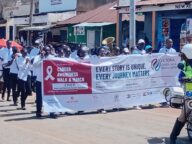
NGOs and human rights groups are championing education campaigns to raise awareness about FGM’s dangers.
These efforts emphasize empowering girls and offering alternative rites of passage that maintain cultural identity without causing harm.
Importantly, respected local leaders and elders are increasingly becoming allies in this movement.
Their voices lend credibility to the cause and have begun to shift perceptions.
Some Maasai leaders have publicly denounced the practice, advocating instead for the health and rights of girls.
While the Maasai value their traditions as vital expressions of cultural identity, the ongoing practice of FGM threatens the well-being of women and girls.
True progress will require a delicate balance: respecting cultural values while prioritizing human rights.
Through education, dialogue, and collaboration with community leaders, there is real hope for change.
Abandoning FGM may be a complex and slow journey—but it is a necessary one to safeguard future generations.