By Nyang’au Araka
Kenyan nurses could soon have new employment opportunities in the United States under a proposed partnership between Kenya and Minnesota.
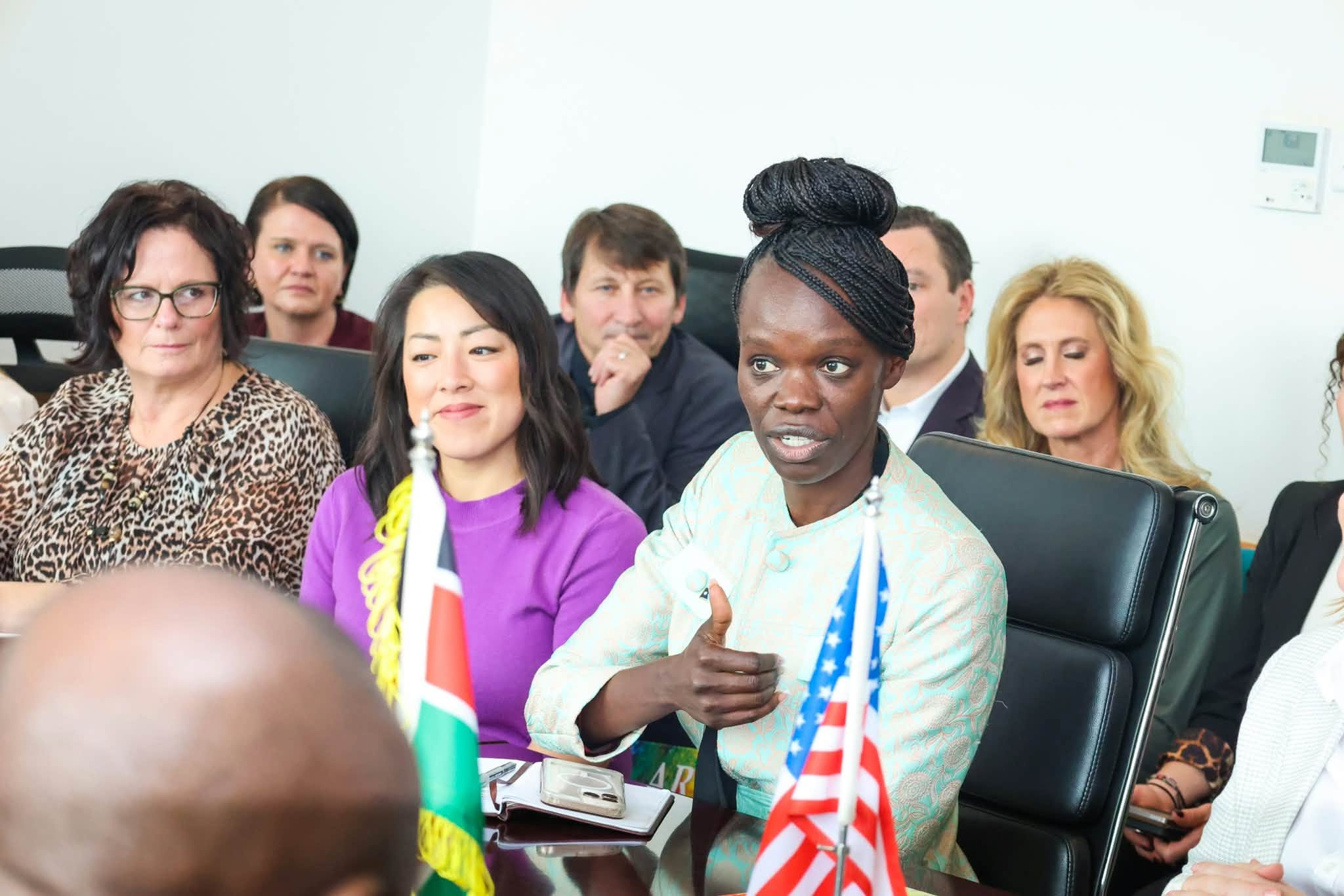
The initiative, spearheaded by Kenyan-born Minnesota State Representative Huldah Momanyi-Hiltsley, seeks to establish structured pathways for qualified Kenyan nurses to pursue careers in Minnesota while helping the American state address an impending shortage of healthcare workers.
Also Read
As this happens, Kenyan health facilities have staffing challenges despite the fact that thousands of professionals graduate from universities and colleges every year.
Momanyi-Hiltsley, who recently led a Minnesota healthcare delegation to Kenya, says the partnership must deliver benefits to both countries rather than simply facilitate the movement of Kenyan professionals to the United States.
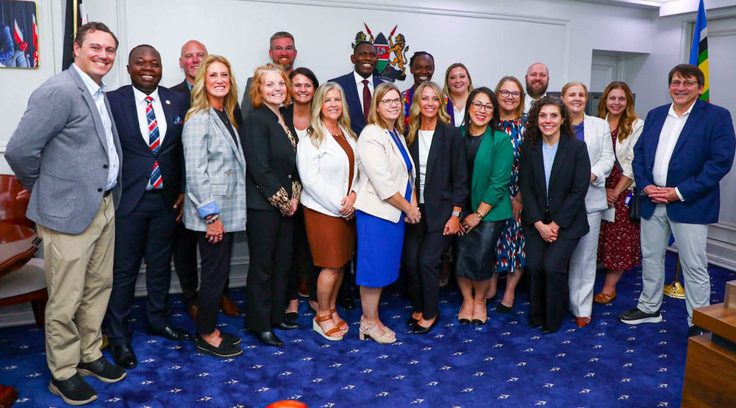
A major step towards formalising the arrangement was taken when LeadingAge Minnesota and Kenya’s State Department for Diaspora Affairs signed a Statement of Intent to continue developing a pathway for Kenyan nurses interested in working in Minnesota.
The legislator described the signing as a milestone that had taken years to pursue, but cautioned that considerable work remained before nurses could begin benefiting from the proposed arrangement.
“My first responsibility is to Minnesota, where we face a projected shortfall of more than 31,000 registered nurses by 2030,” she said.
She explained that the proposed pathway would require further discussions and agreements covering ethical recruitment, professional credential verification, licensing and immigration procedures.
Importantly, she said, the process must safeguard experienced nursing teams already serving Kenyan healthcare institutions.
Caught between two healthcare systems
For many Kenyan nurses, the prospect of working in Minnesota could mean a stable job, better professional prospects and the ability to support families back home.
Yet the proposed partnership presents a difficult question for Kenya, which has invested heavily in training healthcare professionals but continues to face challenges employing them in sufficient numbers.
According to Kenya’s Health Labour Market Analysis Report, an estimated 27,243 health workers were unemployed in 2021, including 9,309 nurses and midwives.
The report identified limited financial capacity within the health system to absorb qualified professionals as a major contributor to unemployment.
This means that even as hospitals and other healthcare facilities report staffing gaps, trained professionals may remain without formal employment because institutions lack the resources to recruit them.
The situation is particularly important for the Kenya Medical Training College (KMTC), which has expanded its national training network to 92 campuses spread across 46 counties.
The institution had more than 80,000 students as of March 2026 and released 22,748 graduates into the health sector in 2025.

While the college’s expansion is intended to address Kenya’s shortage of health professionals, the number of graduates entering the labour market raises questions about the availability of funded positions to absorb them.
Momanyi-Hiltsley directly challenged policymakers to confront this contradiction rather than blame nurses for seeking opportunities outside the country.
“Brain drain is real. So is the shortage of funded jobs here in Kenya for nurses,” she said.
“Before we ask why a nurse is leaving Kenya, let’s ask what funded job is waiting for them here in Kenya.”
Her remarks place the debate beyond the traditional argument that international recruitment automatically deprives developing countries of essential skills.
They also raise questions about county governments’ capacity to recruit and retain nurses, particularly in public facilities where staffing needs compete with limited healthcare budgets.
Safeguards against brain drain
The concerns were also central to discussions between the delegation and Principal Secretary for Medical Services Dr Ouma Oluga during a visit to Afya House in Nairobi.
According to the Ministry of Health, the two sides explored cooperation in workforce training, specialised skills development, simulation-based learning, professional exchanges and structured international workforce mobility.
Dr Oluga emphasised that Kenya’s interests must remain central to international healthcare partnerships, particularly where the movement of professionals could affect the country’s ability to deliver services.
He also identified opportunities for collaboration in geriatric medicine and long-term care, areas in which Kenya hopes to strengthen its capacity as demand for specialised healthcare services grows.
Momanyi-Hiltsley said the discussions went beyond recruiting nurses, with both sides considering how international cooperation could strengthen Kenya’s healthcare institutions.
“This proposed collaboration could extend beyond nurse recruitment to include healthcare training, care planning models, digital systems, and service delivery approaches,” she said.
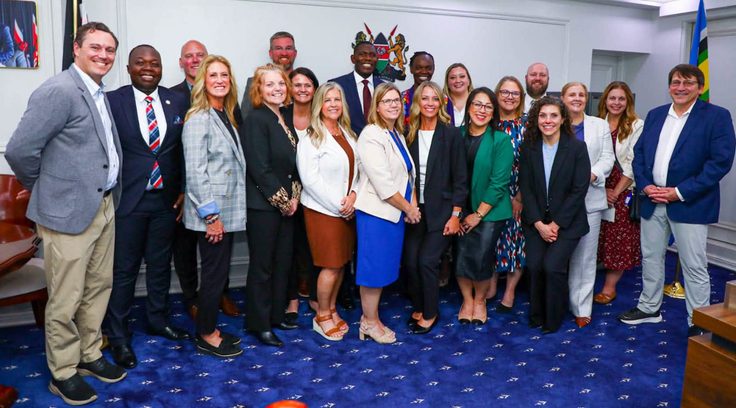
The delegation also visited KMTC headquarters, where members toured nursing training facilities, interacted with lecturers and students and explored possible areas of cooperation in professional training and skills development.
The involvement of LeadingAge Minnesota is particularly significant because the organisation represents providers serving older people, including nursing homes and long-term care facilities.
Minnesota’s ageing population and growing demand for healthcare services have increased pressure on its nursing workforce.
The University of Minnesota’s nursing workforce projections indicate that the state could face a deficit of more than 31,000 registered nurses by 2030.
The shortage is part of a wider American challenge, with the country projecting substantial annual demand for registered nurses over the coming years.
For Minnesota, recruiting qualified professionals internationally could help address staffing gaps, maintain care standards and improve access to services, particularly in long-term care facilities.
For Kenya, however, the challenge will be ensuring that international recruitment does not weaken already stretched healthcare teams.

Money and skills returning home
Momanyi-Hiltsley, who traces her roots to Nyamira County, argues that the debate should also consider the economic contribution of Kenyans living and working abroad.
She pointed to remittances, which have become an important source of foreign exchange and household income, helping families meet education, healthcare and other everyday expenses.
According to Central Bank of Kenya figures, diaspora remittances reached approximately KSh661 billion in 2025, demonstrating the financial significance of Kenyans working overseas.
The money sent home supports households, businesses and communities, while contributing to the country’s foreign exchange reserves.
The legislator also challenged the perception that migration necessarily represents a permanent loss of skilled professionals.
She noted that some Kenyans who have gained international experience are returning home to establish healthcare facilities, create employment and share the knowledge acquired abroad.
“When we count who leaves, let’s also count what comes back,” she said.
She wants the proposed partnership to create opportunities for Kenyan professionals abroad to return as educators, mentors and specialists who can strengthen local institutions.

What happens next?
The Statement of Intent signed by LeadingAge Minnesota and the State Department for Diaspora Affairs provides a framework for continued discussions, rather than an immediate employment arrangement for Kenyan nurses.
Among other things, the two governments and participating institutions will need to establish how Kenyan healthcare facilities can be protected against losing experienced personnel to international employers.
Momanyi-Hiltsley said the process would take time and called for accountability over the benefits delivered to both countries.
Her position is that Kenya should not simply become a source of healthcare labour for foreign institutions but should also gain through investment, professional development, technology transfer and stronger local healthcare services.