By Nyang’au Araka
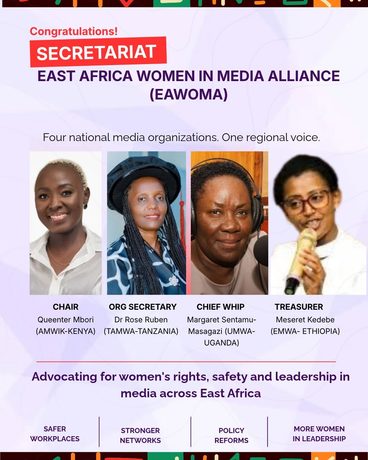
Women’s media organisations from four East African countries have formed a regional alliance to strengthen journalists’ safety, leadership and representation.
The East African Women in Media Alliance (EAWOMA) brings together associations from Kenya, Uganda, Ethiopia and Tanzania in a move aimed at addressing challenges affecting women working in the media industry.
Also Read
The alliance brings together the Association of Media Women in Kenya (AMWIK), Uganda Women in Media Association (UMWA), Ethiopia Women in Media Association (EMWA) and Tanzania Media Women’s Association (TAMWA).
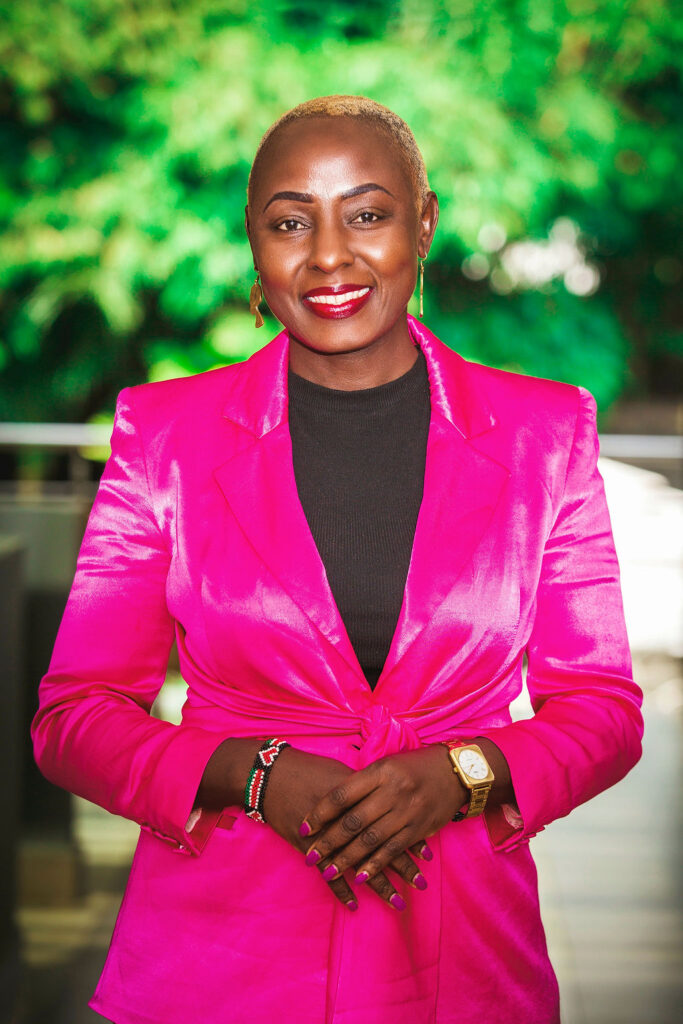
EAWOMA chairperson Queenter Mbori said in a press release that women journalists across the region faced similar challenges that required a coordinated response.
“For far too long, women in the media across East Africa have fought identical battles in silos. By pooling our strength across borders, we are building an unshakeable shield for safety and a powerful amplifier for women’s voices,” she said.
The partnership comes at a time when concerns over gender-based harassment, unequal opportunities and the safety of journalists are increasingly shaping discussions about the future of the media industry in Kenya.
A report on the State of Women in Media in Kenya 2025–26, released by AMWIK in April 2026, found that women occupy only 2.8 per cent of media management positions and 3.7 per cent of editorial leadership roles.
The report also found that 64.8 per cent of women journalists had experienced safety breaches, while 38.7 per cent identified sexual harassment as a major workplace challenge.
The findings underline some of the issues EAWOMA hopes to address through regional cooperation, including stronger workplace protections, improved representation in decision-making and support for women journalists facing threats.
In July 2026, AMWIK and UNESCO’s International Programme for the Development of Communication launched a separate initiative targeting the safety, mental health and professional advancement of journalists in Nairobi, Mombasa, Busia and Kakamega counties.
The programme, dubbed Empowering Journalists for Safety and Equity in Kenya, was designed to strengthen digital safety, provide mental health support and promote effective sexual harassment policies in newsrooms.
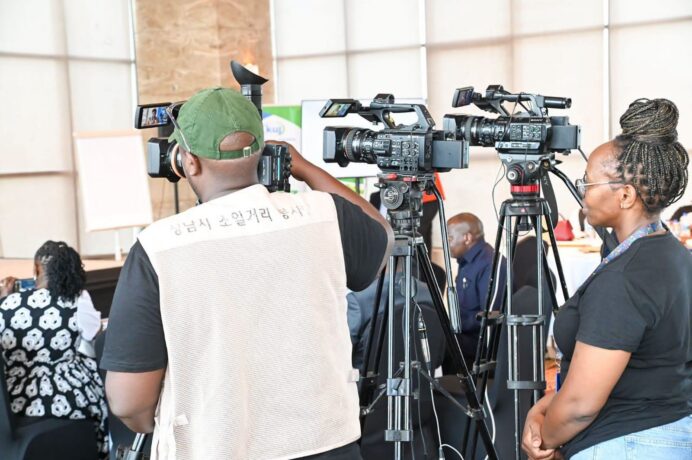
EAWOMA’s initial leadership structure places AMWIK, Kenya, in the chairperson’s position, with TAMWA of Tanzania serving as organising secretary, EMWA of Ethiopia as treasurer and UMWA of Uganda as chief whip.
The positions are expected to rotate among the participating countries after an agreed period of between one and three years, allowing each member organisation an opportunity to lead the alliance.
TAMWA Executive Director Dr Rose Reuben described the formation of the alliance as an opportunity to turn shared challenges into collective action.
“EAWOMA is a powerful step toward a stronger regional voice for women in the media. By working across borders, we can amplify women’s voices, strengthen leadership and safety, and turn shared challenges into collective solutions,” she said.
The alliance is now developing key governance documents, including a regional constitution, workplace safety policies, a strategic plan, a resource mobilisation framework and a common code of conduct.
These documents are expected to guide its operations and establish shared standards for protecting women journalists across the four countries.
EAWOMA also intends to advocate for policy reforms within media organisations, establish solidarity networks for women journalists at risk and promote women’s participation in media leadership.
Its formation also comes amid broader regional conversations about how newsrooms report gender-based violence and women’s rights.
A 2025 study by the Aga Khan University’s Graduate School of Media and Communications, which examined more than 1,200 news stories from Kenya, Uganda and Tanzania, found that only three per cent focused on perpetrators of sexual and gender-based violence and femicide.
The study highlighted the need for more accountable reporting that goes beyond describing incidents to examining the circumstances surrounding violence and the pursuit of justice.