By Nyang’au Araka
From Kasongo and Zakayo to Mr Texas, Mr Chuki and Mr River Yala, Kenya’s political landscape is increasingly acquiring the (not so pleasant) flavour of a public mchongoano competition.
In this verbal contest, Kenyans cheer as leaders trade nicknames, ridicule others and fire witty remarks as they position themselves ahead of the 2027 General Election.
Also Read
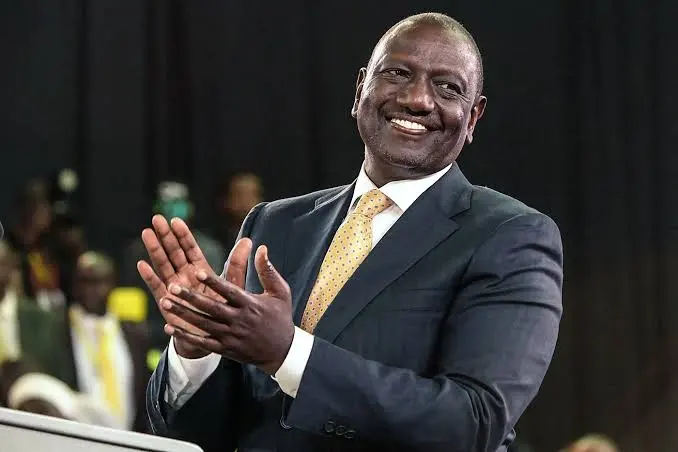
President William Ruto added another chapter to this growing political tradition on Tuesday during his tour of Kisii County, where he turned his attention to former Deputy President Rigathi Gachagua, using a string of mocking monikers to describe his political rival.
Addressing residents in Bonchari, the President repeatedly referred to Gachagua as Mr Texas and Mr Chuki, while also using the labels Mr Yala and Mr 40 in his remarks about opposition figures.
The exchanges were part of a broader appeal to young politicians, whom Ruto accused some older leaders of intimidating because of their growing political influence.
“You and I, Mr 40… all these are people of my age. I am assuring young people in Kenya that all these leaders, this Mr Yala, Mr 40, Mr Texas, aka Mr Hate, all these people, I will put them together and transport them, ensuring that we all leave in 2032 and leave the country to young leaders,” he said.
The President went further, likening Gachagua to biblical King Herod, whom he accused of fighting emerging leaders rather than allowing them to grow.
“Please leave alone the young leaders of this country. We have youthful leaders who are growing,” Ruto said, naming a few of them.
He named MPs Silvanus Osoro, Zaheer Jhanda (South Mugirango and Nyaribari Chache) and Kisii Woman Representative Dorice Donya among those he wanted protected from political intimidation.
The remarks were vintage Kenyan political mchongoano, where a public rally can easily turn into a comedy arena, with supporters cheering as politicians find increasingly inventive ways of getting under one another’s skin.
But the phenomenon is not confined to the President’s attacks on his opponents, as he himself has become one of the most recognisable targets of the country’s nickname culture.
From Zakayo to Kasongo
When Ruto assumed the presidency in 2022, he inherited the political identity of the Hustler, a campaign description that helped define his appeal to ordinary Kenyans.
However, as his administration introduced new taxes and defended its revenue-raising measures, critics began calling him Zakayo, drawing from the biblical tax collector Zacchaeus.
The name became particularly popular during the public debate surrounding the Finance Bill 2024.
Then came Kasongo, borrowed from the popular Congolese rhumba song by Super Mazembe.
Social media users appropriated the song and its lyrics to poke fun at the President and his administration.
Other labels associated with Ruto have included Deputy Jesus, El Chapo and Chicken Seller, reflecting different stages of his political journey and public perception.
Rather than dismissing every nickname, the President has occasionally played along.
In January 2025, he publicly said he had no problem with being called Kasongo or Zakayo, provided he continued delivering on his development promises.
“Hiyo Kasongo ni sawa, ni wimbo mzuri ambao ulikuwa unaendelea so tuendelee nayo,” he said at the time.
He even danced to the Kasongo tune during a New Year’s Eve gathering at Kisii State Lodge, demonstrating how a nickname intended as political mockery can sometimes become part of a politician’s public persona.
On November 5, 2026, he again joked about the name at State House, revealing that former Makueni Governor Kivutha Kibwana sometimes called him Kasongo.
“Sometimes in other fora, he calls me Kasongo,” Ruto said, drawing laughter from the audience.
The nickname contest
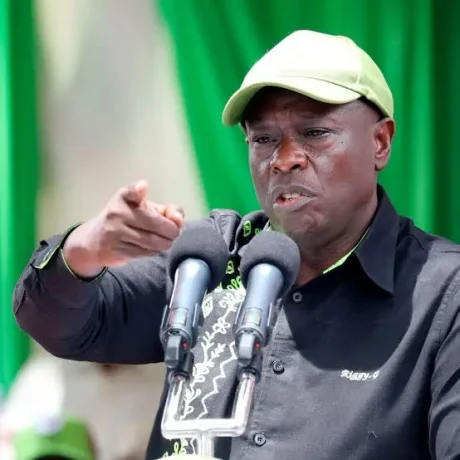
Gachagua, who has become one of Ruto’s most vocal critics since their political fallout, has also embraced the nickname culture, frequently referring to the President as Kasongo during his public engagements.
The former Deputy President has used the name while questioning the administration’s economic policies and accusing it of failing to honour campaign promises.
The exchanges have also drawn in other opposition figures.
Wiper leader Kalonzo Musyoka has long been associated with the nickname Watermelon, which emerged from the 2007 political period when his critics accused him of being politically undecided after the disputed presidential election.
The label has survived successive political seasons.
Ruto and his allies have also used personal and regional references to taunt opposition figures, with Gachagua’s alleged plans to relocate to Texas providing material for the President’s latest jibes.
The nickname Mr Texas is a reference to Gachagua’s remarks about potentially relocating abroad should Kenya become politically unstable.
Mr Chuki, meanwhile, is a label Ruto uses to portray him as a purveyor of hatred and division.
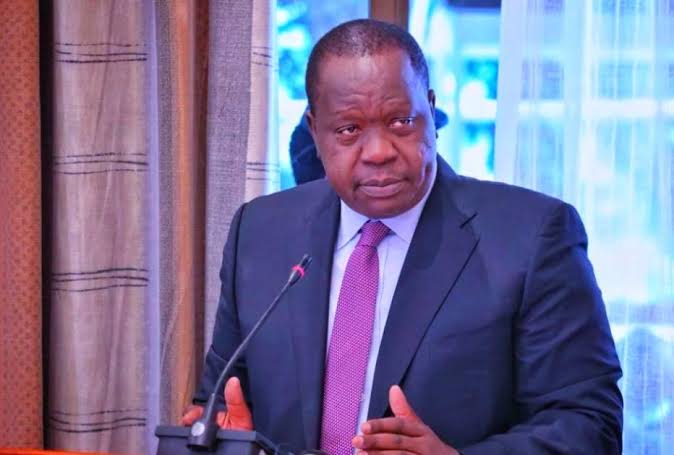
Another target of the nickname culture has been former Interior Cabinet Secretary Fred Matiang’i, whom Ruto has previously referred to as Mr River Yala.
The label resurfaced in the latest exchanges, with Gachagua questioning why Gusii leaders were defending Matiang’i against his attacks while remaining silent about the President’s own remarks.
Not everyone, however, is comfortable with this style of political communication.
Dr Matiang’i has repeatedly indicated that he prefers issue-based engagement to personal insults and political name-calling.
“When people can’t argue on anything, they resort to name-calling,” he said in August 2026 while responding to allegations that he was a mole working with Ruto.
In June, he had also taken issue with the President’s language towards political opponents, arguing that leaders who participate in international engagements should demonstrate greater restraint when addressing domestic political rivals.
“You can’t return from G7, then when you get here you insult Gachagua, insult me, insult Kalonzo. That is not the language of G7,” he said.
The nickname culture also has a life beyond political rallies.
Social media users, particularly on X, regularly remix speeches, songs, photographs and video clips to create memes that can reach millions of people within hours.
A 2026 academic study on political nicknames in Kenya observed that such labels can communicate admiration, criticism, irony and public frustration, influencing how politicians are perceived by voters.
While Tuesday’s exchanges provided another instalment of Kenya’s political mchongoano, Ruto’s third day of his Gusii development tour was also marked by several infrastructure launches and inspections.