By Nyang’au Araka
Attacks and other violations against journalists in Kenya increased by 176 per cent in the July–September quarter, a new Media Council of Kenya (MCK) report shows.
Physical assaults accounted for more than seven in every 10 cases reported.
Also Read
The Council documented 47 incidents affecting journalists during the first quarter of the 2026/2027 financial year, compared with 17 during a similar period in 2025 and 24 in 2024, pointing to a sharp deterioration in the safety of media practitioners.
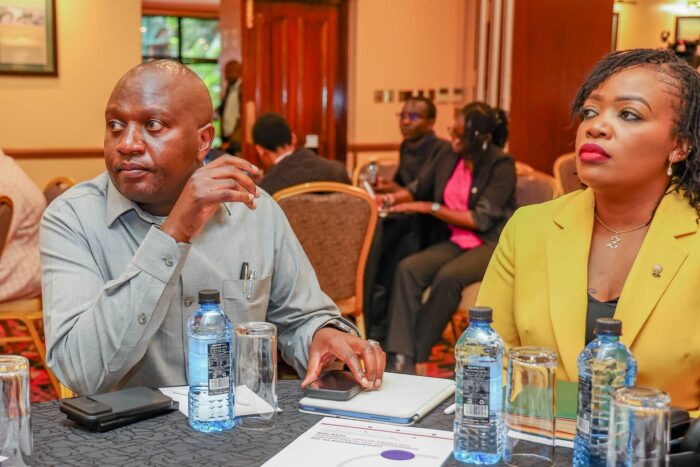
The findings, presented by MCK Manager for Press Freedom, Safety and Advocacy Rebecca Mutiso in Nairobi on Monday, paint a worrying picture of the working environment for journalists, with assaults, threats, arrests, intimidation and other forms of interference reported across the country.
Physical assault was the most prevalent violation, accounting for 34 of the 47 cases, representing approximately 72 per cent of the incidents documented.
The other violations comprised five threats, two arrests, two cases of intimidation, one abduction, one harassment incident, one case involving both threat and assault, and one surveillance incident.
The Council said the incidents interfered with journalists’ ability to carry out their professional duties, raising fresh concerns about the protection of media freedom and the constitutional right to freedom of expression.
“During this quarter, the Media Council of Kenya documented 47 cases involving various forms of press freedom violations, including physical attacks, arrests, threats, intimidation, harassment and other incidents that interfered with journalists’ ability to carry out their professional duties,” the report states.
The latest figures mark a significant increase from the 2025 first-quarter tally, reversing the decline recorded between 2024 and 2025 when cases fell from 24 to 17.
Police, politicians linked to violations
Police officers and politicians featured prominently among the categories of perpetrators identified in the report, accounting for 12 and eight cases respectively.
Combined, the two categories were linked to 20 of the documented incidents, representing about 43 per cent of all reported violations.
Criminal gangs and political activists accounted for the highest number of cases at 17, while six incidents involved perpetrators whose identities were unknown.
Other categories included bodyguards, county government officials and bandits, each linked to one case.
The findings place security agencies and political actors under scrutiny over the safety of journalists, particularly those covering politically sensitive assignments and public events.
The Council’s documentation also points to the role of non-state actors, including criminal gangs and political activists, in exposing media practitioners to physical harm and intimidation.
However, the report does not provide individual incident details or identify the specific officers, politicians or other persons implicated in the cases.
Nairobi leads counties in journalist attacks
Nairobi recorded the highest number of press freedom violations, with 13 cases, followed by Homa Bay with eight, Meru seven and Bungoma six.
Nyandarua recorded four incidents, while Embu, Nakuru and Mombasa each had two. Garissa accounted for one case.
The geographical spread suggests that threats to journalists are not confined to the capital or major urban centres, with several counties outside Nairobi reporting multiple incidents.
Homa Bay’s eight cases place it second nationally, ahead of Meru and Bungoma, highlighting concerns about the safety of journalists working in different parts of the country.
The report, however, does not provide a breakdown of the incidents by assignment or explain the circumstances behind the high numbers recorded in particular counties.
Male journalists account for most cases
Male journalists accounted for the majority of documented violations, with 36 cases, compared with nine involving female journalists.
Two other cases involved journalists of both genders, for whom individual gender identities were unavailable.
MCK cautioned against interpreting the figures as evidence that female journalists face lower risks, explaining that newsroom deployment patterns partly influence the distribution of reported incidents.
“This trend partly reflects the deployment patterns in newsrooms, where male journalists are more often assigned high-risk stories than their female counterparts,” the presentation notes.
The Council’s observation raises questions about the different safety challenges facing male and female journalists, particularly those covering demonstrations, political events and other potentially volatile assignments.
106th globally in press freedom index
The report also placed Kenya at position 106 in the 2026 World Press Freedom Index, ahead of several countries in the East African region.
Uganda was ranked 131st, Tanzania 117th, Rwanda 139th, Burundi 119th and the Democratic Republic of Congo 130th.
Although Kenya ranks ahead of these countries, the latest quarterly violation figures highlight continuing challenges in protecting journalists and safeguarding their ability to report without fear or intimidation.
The increase in documented incidents also comes as the country approaches the 2027 General Election, a period likely to place journalists under greater pressure as political competition intensifies and media coverage of campaigns and public demonstrations increases.
The findings raise questions about the preparedness of media organisations, security agencies and other stakeholders to protect journalists during the electoral period.
Growing concerns over journalists’ safety
Under the Media Council Act, 2013, MCK is mandated to regulate, develop and promote the media sector while protecting media freedom and the rights and privileges of journalists in the performance of their duties.
The Council monitors and documents violations as part of its responsibility to promote a safe working environment for media practitioners.
The latest report underscores the need for stronger accountability mechanisms, particularly where violations involve individuals and institutions entrusted with maintaining law and order.
It also highlights the importance of effective investigations, prosecution of perpetrators where criminal offences are established, and improved safety measures for journalists working in high-risk environments.
With physical assaults accounting for the bulk of reported violations and police and politicians featuring prominently among the identified perpetrator categories, the findings raise renewed concerns about the conditions under which journalists exercise their constitutional mandate.
The Council’s three-year comparison captures an upward trend in documented violations, with the 47 cases recorded in the latest quarter substantially exceeding the figures reported in the corresponding periods of the previous two years.
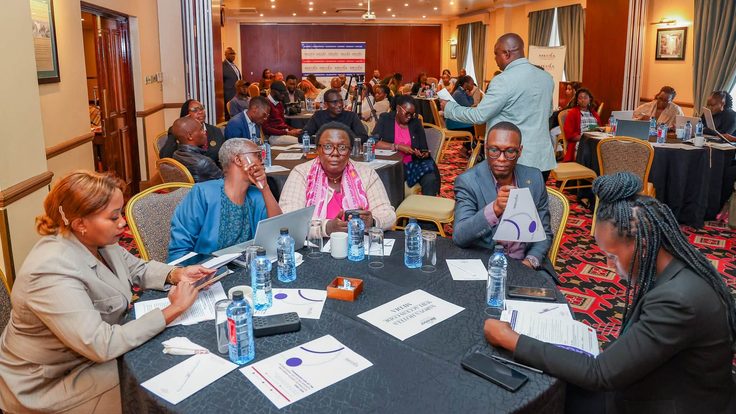
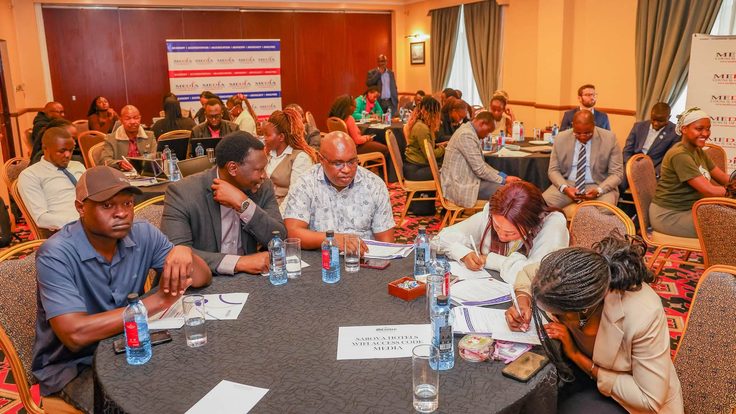
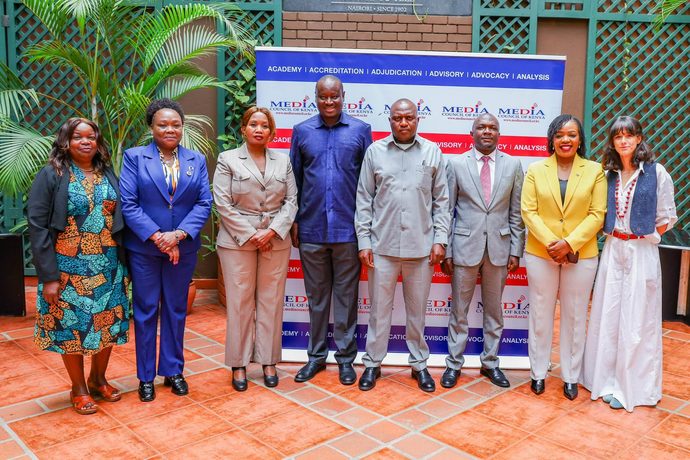
The findings were shared at a Nairobi hotel, where media stakeholders gathered to mark the International Day to End Impunity for Crimes against Journalists.
The UN-designated day calls for justice and accountability for crimes committed against journalists, including killings, assaults, threats, abductions and intimidation.
It commemorates the 2013 killing of two French journalists, Ghislaine Dupont and Claude Verlon, in Mali.
This year’s global campaign theme is “Threats Evolve. Impunity Endures.”
It highlights how new technologies and weapons are changing the threats journalists face, while perpetrators continue to evade justice.