By Nyang’au Araka
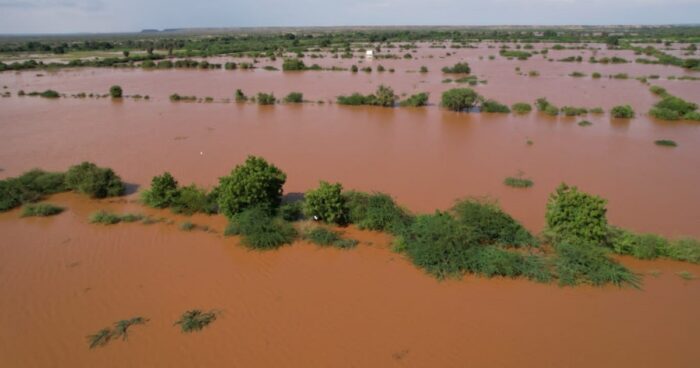
Kenya is facing a heightened risk of Rift Valley fever outbreaks as heavy rains and flooding associated with El Niño create favourable conditions for the spread of the mosquito-borne disease.
The Food and Agriculture Organization of the United Nations (FAO) and the Intergovernmental Authority on Development (IGAD) have urged the country and five others in the region to strengthen disease surveillance and preparedness to prevent possible outbreaks.
Also Read
Ethiopia, Kenya, Somalia, South Sudan, Tanzania and Uganda have been identified as the countries facing the highest risk.
The threat is also increasing in Burundi and Rwanda, while lower but growing risks have been reported in parts of the western Indian Ocean and the Arabian Peninsula.
Rift Valley fever is a viral disease that mainly affects livestock, including cattle, sheep, goats, buffaloes and camels, but can also infect humans. It is transmitted mainly through mosquito bites, although people can contract the virus through contact with infected animals or their products.
The movement of infected livestock can also contribute to the spread of the disease across geographical boundaries.
In a joint alert, FAO and IGAD warned that heavy rainfall and flooding could increase mosquito breeding sites and disrupt veterinary services, making it harder to monitor and contain potential outbreaks.
The current El Niño conditions are comparable to those experienced in 1997–98, when Eastern Africa suffered one of the largest recorded outbreaks of Rift Valley fever in both livestock and human populations.
The two organisations are calling on affected countries to strengthen risk-based surveillance, ensure vaccines and other essential supplies are available in advance, and improve coordination between sectors and across borders through a One Health approach.
Increased risk
An October 2026 forecast by FAO’s Rift Valley Fever Early Warning Decision Support Tool indicates that conditions favourable for transmission are expected to increase across much of Eastern Africa between October 2026 and January 2027.
Above-average rainfall and flooding are forecast in most parts of the region. Southern Ethiopia, Kenya, and central and southern Somalia are expected to receive particularly heavy rainfall, with more than a 90 per cent probability of rainfall exceeding 400mm.
Burundi, Rwanda, South Sudan, Uganda and Tanzania are also expected to experience wetter-than-normal conditions, while warmer-than-average temperatures are forecast across much of the Greater Horn of Africa.
The FAO assessment identifies Tanzania as having the largest area currently considered suitable for Rift Valley fever transmission, followed by Ethiopia, Kenya, South Sudan and southern Sudan.
New areas with suitable conditions have also emerged in southern Somalia, Rwanda and Burundi. The areas are expected to expand further, including into Uganda, if heavy rains continue as forecast.
Recent rainfall has picked up in parts of southern Sudan, western South Sudan, eastern Ethiopia, southern Somalia and coastal Kenya following a prolonged period of rainfall deficits. Heavy rains have also increased the risk of flooding in Ethiopia and Somalia.
The combination of rainfall, flooding and livestock movement could create favourable breeding grounds for mosquitoes and increase the likelihood of disease outbreaks, while making surveillance and response more difficult.
Early warning to support preparedness
FAO’s Rift Valley Fever Early Warning Decision Support Tool uses satellite information, climate forecasts, disease surveillance data and expert analysis to identify areas at increased risk of outbreaks up to three months in advance.
The online platform is designed to help authorities anticipate potential outbreaks and plan targeted surveillance and preparedness measures before the disease spreads.
It supports a One Health approach, which brings together animal health, human health and environmental sectors to improve monitoring, information sharing and coordinated responses.
The wider warning is issued through FAO’s Global Early Warning and Prevention System for Animal Health, known as EMPRES. For more than 30 years, the system has supported countries through disease monitoring, risk assessment, forecasting and timely communication of emerging animal health threats.
FAO and IGAD say strengthening preparedness now will be important in protecting livestock, livelihoods and human lives as the rainy season progresses.