By Francis Orina
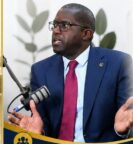
Nyamira education chief Joshua Kaga has warned politicians against using schools and learners for political publicity, saying the practice risks violating child-protection laws.
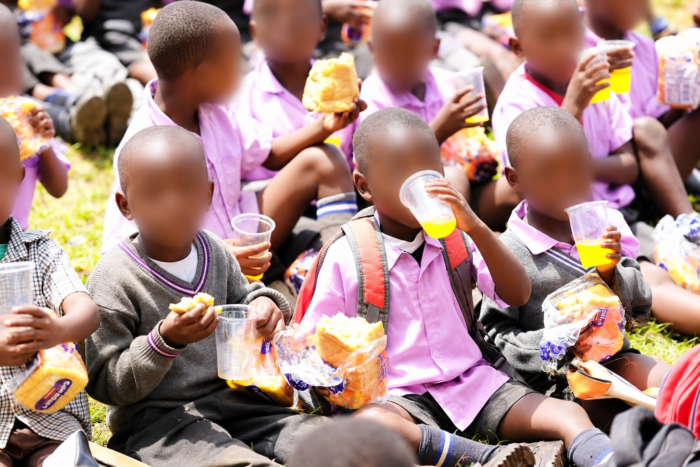
Kaga said some politicians had been visiting learning institutions with small donations such as bread and soda before taking photographs with learners and posting the images on social media platforms.
Also Read
He spoke at Senator Kebaso High School during a briefing ahead of the Kenya Certificate of Secondary Education (KCSE) examinations.
The education official said the practice was against education guidelines and could also violate children’s privacy rights.
“Lately we have witnessed cases where well-wishers visit our schools and are allowed to disrupt the school programmes and take photos and videos with pupils/students just because they have made a small donation to the school,” Kaga had said in a directive issued on October 5.
He said photographs and videos taken during such visits were subsequently used for what he termed “cheap publicity and advertisement across social media platforms”.
“This practice is unlawful and should not be allowed to happen in any school,” the notice stated.
Kaga urged school heads to ensure donations are handled administratively without involving learners or interrupting school programmes.
“We’re heading towards a campaign season, and politicians may wish to use schools for their selfish interest,” he said.
“Donations from such leaders should be handled administratively without involving the pupils or disrupting the school programme.”
Children’s privacy
Kaga also raised concerns over the taking and publication of photographs of minors without the required consent.
“The law and the guidelines on children protection rights requires that such people must get consent from either their parents or the administration,” he said.
Under Section 27 of the Children Act, 2022, a child is protected against arbitrary or unlawful interference with their privacy, family or private affairs, correspondence, honour and reputation.
The law further provides that personal data concerning a child must be processed in accordance with the Data Protection Act, 2019.
Section 33 of the Data Protection Act provides that personal data relating to a child should not be processed unless consent is given by the child’s parent or guardian and the processing protects and advances the child’s rights and best interests.
The legal protections have particular significance where photographs or videos identify individual learners and are subsequently published on social media or other public platforms.
Kenyan courts have also previously stressed the importance of protecting children’s privacy, including restrictions on publishing children’s names, photographs and school details in circumstances where their rights could be infringed.
Schools cautioned
Kaga’s warning places responsibility on school administrators to ensure that donations do not become opportunities for political publicity involving learners.
The directive was addressed to principals and head teachers of public senior and comprehensive schools in Nyamira County and copied to senior education officials, including the Ministry of Education Director General, the Regional Director of Education for Nyanza, Sub-County Directors of Education in Nyamira and the County Director of the Teachers Service Commission.
The warning comes as political activity begins to intensify ahead of the next General Election, with Kaga cautioning school administrators against allowing learning institutions to become platforms for political messaging or publicity.
He urged heads of institutions to take caution and comply with education-sector rules and regulations while ensuring that learners remain protected from activities that could interfere with their education or expose them to unauthorised publicity.
The directive does not bar schools from receiving legitimate donations or support from well-wishers.
Rather, it requires such assistance to be handled in a manner that protects learners and does not turn them into participants in publicity activities.