By Nyang’au Araka
The Media Council of Kenya (MCK) is training about 4,500 journalists ahead of the 2027 General Election in an effort to strengthen the quality, accuracy and credibility of election reporting.
The training comes at a time when journalists are expected to work in a vastly more complicated information environment, where social media posts, artificial intelligence-generated content, misinformation and disinformation can spread faster than traditional newsrooms can verify them.
Also Read
For journalists, particularly those covering a general election for the first time, the challenge will not simply be finding and reporting news.
They will have to establish what is true, distinguish political claims from verified facts, provide competing voices with a fair hearing and resist the pressure to publish unverified information simply because it is circulating widely online.
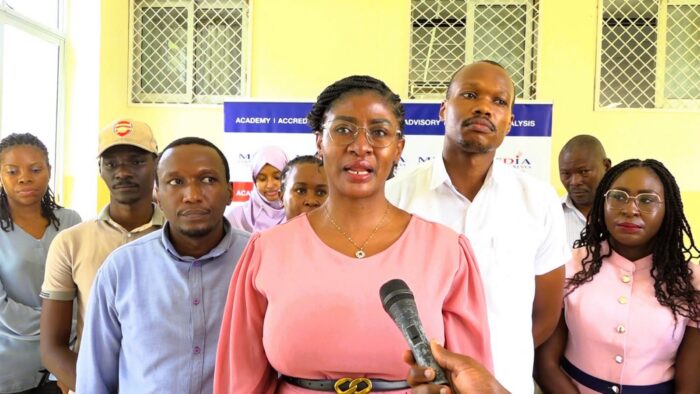
MCK Coast Regional Coordinator Maureen Mudi said the Council was therefore placing access to credible information and information integrity at the centre of its election preparedness programme.
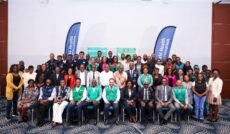
She spoke during an engagement organised by the MCK Coast Regional Office to mark the 2026 International Day of Universal Access to Information (IDUAI), bringing together journalists as well as state and non-state actors.
The engagement was held under the theme, “Upholding Information Integrity in the Digital Age: The Role of Access to Information in Addressing Information Disorder.”
Mudi said strengthening journalists’ ability to obtain reliable information from public institutions would be particularly important as the country moves towards the election period.
“Our main issue today is that, as we are heading to the general elections, there is an issue of information integrity when it comes to access to information,” she said.
She noted that many journalists would be covering a general election for the first time, increasing the need for practical preparation before campaigns and election-related events intensify.
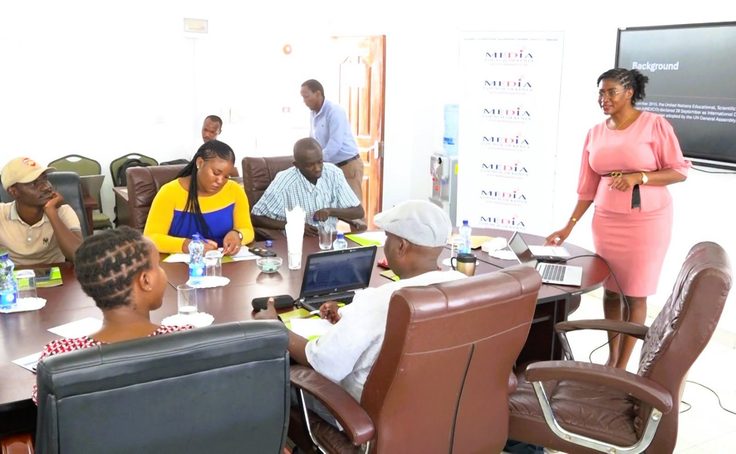
The training is intended to equip journalists with skills that go beyond conventional reporting, including verification of information, responsible use of digital platforms, ethical decision-making and effective access to information from public institutions.
MCK has already begun rolling out election preparedness activities across the country. Recent sessions have addressed fact-checking, journalist safety, digital security, conflict-sensitive reporting, artificial intelligence, political advertising and the handling of misinformation and disinformation.
The Council has also emphasised that election reporting should focus on issues affecting voters rather than allowing political personalities, campaign soundbites and unverified claims to dominate coverage.
Mudi said county governments and other public institutions had an important responsibility in ensuring that journalists could obtain timely and credible information.
She said access to reliable information would help journalists produce accurate reports while giving citizens the facts they need to assess developments during the electioneering period.
The broader MCK preparedness programme follows the launch of the Guidelines for Election Coverage 2027, which are intended to provide journalists and news organisations with a professional framework for covering the polls.
The emphasis on preparation reflects a changing reality in election journalism: a reporter may encounter a claim on social media, a manipulated video or an AI-generated image before receiving official confirmation.
Training is intended to ensure that the speed of the digital news cycle does not come at the expense of verification, fairness and public interest.