By GPC Reporter
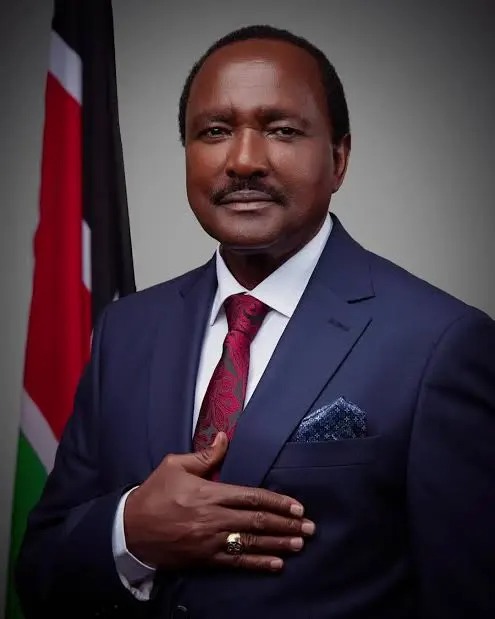
Wiper leader Kalonzo Musyoka has accused President William Ruto’s administration of mishandling the crackdown on foreign nationals engaged in small-scale businesses.
Musyoka warned that the operation could strain Kenya’s relations with neighbouring countries.
Also Read
He said the scenes of foreign traders seeking emergency travel documents at the Burundian Embassy in Nairobi demonstrated what he described as a poorly planned government operation.
“Hundreds of small-scale traders scrambling for emergency travel documents outside the Burundian Embassy in Nairobi this week, ahead of a government deadline, tell you everything about how this crackdown has been handled,” Musyoka said.
He described the approach as chaotic and argued that the government could protect Kenyan traders without creating tensions with foreign nationals or neighbouring states.
“There are better, more deliberate ways to protect Kenyan small businesses and create an environment where entrepreneurs, Kenyan and foreign alike, can thrive within the law,” he said.
Musyoka’s remarks come as Kenya begins enforcing President Ruto’s directive targeting foreign nationals operating in hawking and other small-scale businesses.
Ruto announced the measures on September 2, saying foreigners should not compete with Kenyans in businesses such as petty retail and hawking.
The government has maintained that foreign nationals can work and operate businesses in Kenya provided they comply with immigration, work permit and other regulatory requirements.
Trade Cabinet Secretary Lee Kinyanjui has also clarified that visa-free entry into Kenya does not automatically give a foreign national the right to work or conduct business.
Traders not the main problem
Musyoka said the government was focusing on foreign traders while failing to address what he considers deeper challenges facing Kenyan entrepreneurs.
“The real threats facing our small traders are corruption, an unpredictable working environment including this regime’s erratic tariffs and taxation policies, and the pre-election tensions being deliberately stoked by the outgoing regime, not the presence of foreign traders alone,” he said.
He called for a more predictable business environment in which both Kenyan and foreign entrepreneurs can operate within clearly defined laws.
Musyoka also warned that the crackdown could have consequences beyond Kenya’s borders, particularly given the number of Kenyans living and doing business elsewhere in the East African Community.
“Diplomacy, dialogue, and respect for the rule of law must take centre stage, not just because we are approaching the 2027 General Election, but because that is how a government that respects the law conducts itself every day,” he said.
He warned that a poorly handled operation could deepen tensions between communities and countries.
“A lack of diplomacy risks deepening divisions between communities, regions, and nations and destabilising economic activity at a time when Kenya can least afford it,” he said.
Calls for transparency
Musyoka further demanded transparency in the way foreign nationals affected by the crackdown are processed, particularly regarding travel documentation and immigration status.
“We must also insist on full transparency in how affected foreign nationals are processed going forward, including any documentation or status changes issued to them,” he said.
He argued that such safeguards were necessary to ensure the exercise remained focused on trade and immigration compliance.
His remarks come amid heightened attention on Burundi after its nationals were seen seeking travel documents at the country’s embassy in Nairobi as enforcement of the crackdown began.
Burundi’s Foreign Minister Édouard Bizimana has warned that continued hostility towards Burundians in Kenya could affect relations between the two countries, saying Kenyans living in Burundi currently live peacefully.
Musyoka accused the Ruto administration of using the crackdown to project power and distract Kenyans from broader economic challenges.
“Let us also be honest: this crackdown is not about protecting Kenyan businesses,” he said.
He further accused the government of “manufacturing crises” to divert attention from what he described as its failures.
“Corruption, punitive taxation, and an economy gasping for breath because of Ruto are the real threats to Kenyan livelihoods and further evidence that this regime is unfit to lead,” Musyoka said.
Police have meanwhile warned Kenyans against harassing or attacking foreign nationals suspected of operating businesses illegally, saying such actions could amount to criminal offences. Police also said they had not received reports of a mass exodus of foreign nationals from Kenya.