
By KPC Reporter
For years, a diagnosis requiring open-heart surgery came with a harsh reality for patients in Western Kenya: treatment lay hundreds of kilometres away.
Many travelled to Nairobi, Eldoret or the Coast while struggling with severe fatigue, breathlessness and other debilitating symptoms.
Also Read
Some never made it to the operating table, their conditions worsening as they waited for a chance at lifesaving care.
That reality is now changing.
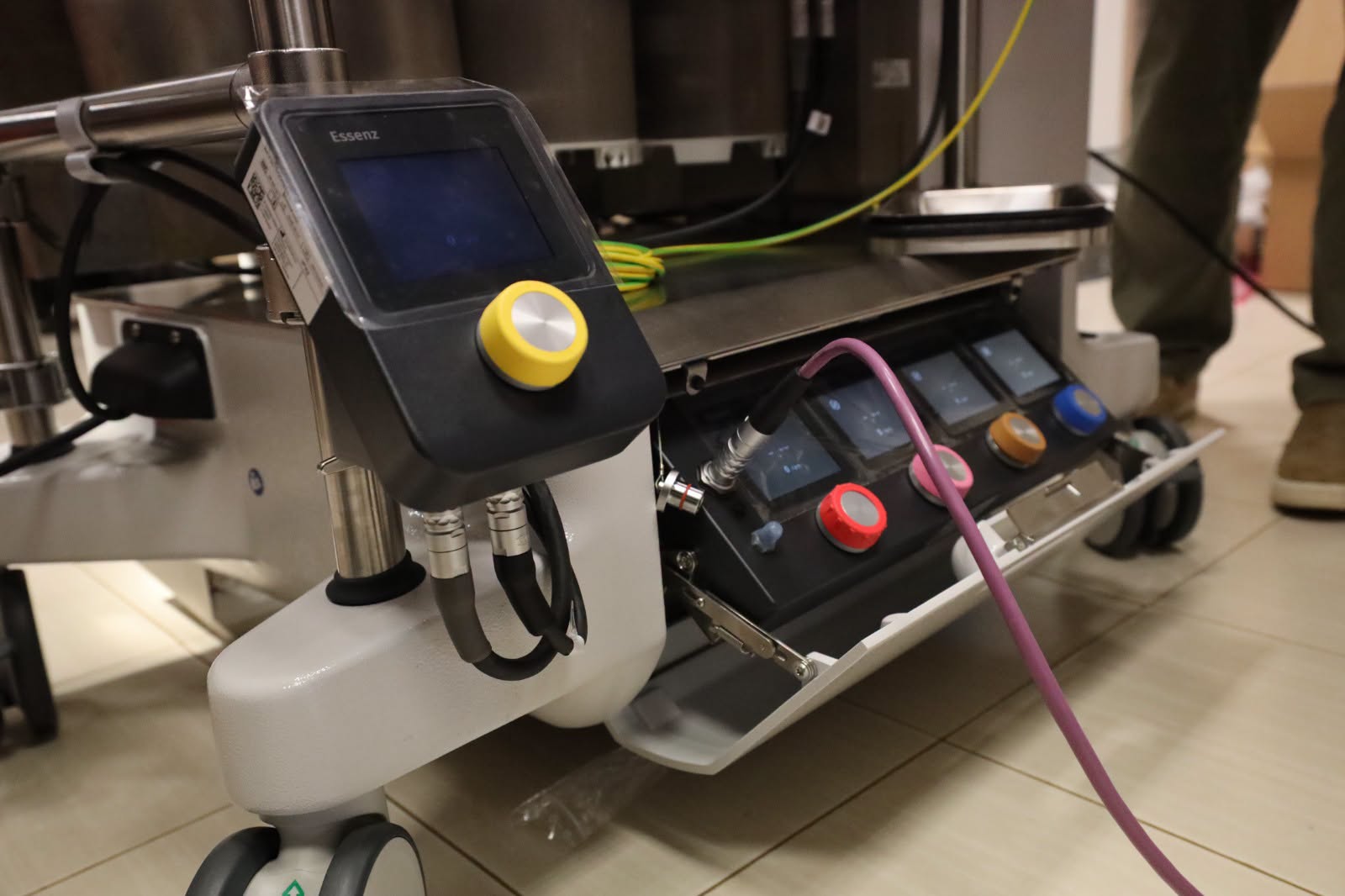
Jaramogi Oginga Odinga Teaching and Referral Hospital (JOOTRH) has taken a major step towards becoming a centre for open-heart surgery after receiving a state-of-the-art heart-lung machine, a development expected to bring lifesaving cardiac care closer to thousands of patients in Western Kenya.
The hospital has acquired the Essence Perfusion System, a cutting-edge heart-lung machine manufactured by Livanova in Germany. The equipment will enable surgeons to perform open-heart procedures that previously could not be undertaken at the facility.
For doctors who have spent years watching patients struggle to access specialised cardiac care, the arrival of the machine marks the beginning of a new chapter.
“We decided to go for the latest machine in the market because these machines come with various technologies and very advanced systems that can be used for several years to come,” said Dr Juma Odoro, a Cardiothoracic and Vascular Surgery Specialist at JOOTRH.

The acquisition is historic. JOOTRH says it is the first hospital in Kenya, whether public or private, to install the Essence Perfusion System.
The significance of the development becomes clearer when viewed against the country’s growing burden of heart disease. Kenya requires nearly 10,000 open-heart surgeries annually, yet hospitals across the country currently perform only a fraction of that number.
At JOOTRH alone, doctors see three to four patients every week who require cardiac surgery. That translates to about 200 patients annually from Kisumu and surrounding counties, many of whom have traditionally depended on referrals to distant hospitals.
For some patients, the journey itself has often been an additional burden.
Dr Robert Sadia described the challenge faced by many cardiac patients forced to travel long distances in search of treatment.
“A key symptom of cardiac ailments is you get tired when you walk,” said Dr Sadia. “When these patients have to travel to Eldoret, to Nairobi, or to the Coast to get care, they get tired after walking 10 metres, 50 metres. It’s a deep ask.”
The hospital is already performing thoracic, vascular and closed-heart procedures and plans to begin open-heart surgeries in August once specialised surgical consumables arrive.
Initially, JOOTRH expects to handle about 10 cases every month, targeting roughly 120 surgeries during its first year of operation. The focus will be on adult patients suffering from common conditions such as damaged heart valves caused by rheumatic heart disease and intracardiac tumours.

More complex procedures, including coronary artery bypass surgery and paediatric heart operations, are expected to be introduced as the programme expands and the hospital strengthens its specialised workforce and infrastructure.
Behind the new service is a multidisciplinary team of cardiothoracic surgeons, anaesthesiologists, nurses and other specialists who have been preparing for months. The hospital has also partnered with experienced institutions and invested in advanced training, including technical instruction in Germany, to ensure a smooth rollout.
Yet perhaps the most immediate impact will be felt in patients’ pockets.
Open-heart surgery in private hospitals can cost between Sh1.7 million and Sh1.9 million, placing it beyond the reach of many families. At JOOTRH, the procedure is expected to cost significantly less, while support from the Social Health Authority (SHA) means eligible patients will have the surgery fully covered.
For families who previously faced the impossible choice between financial ruin and lifesaving treatment, the new cardiac programme offers something many have lacked for years: hope.
And for patients whose hearts have been failing them, that hope is finally much closer to home.