By GPC News Desk
The East African Community (EAC) is pushing for more predictable and accessible climate finance ahead of COP31, with Partner States calling for greater support for adaptation and measures to prevent vulnerable countries from taking on more debt.
The regional bloc’s common position calls on developed countries to meet their public climate finance obligations, triple adaptation finance by 2035 and improve direct access to climate funds by national institutions. It also seeks increased support for climate-related loss and damage.
Also Read
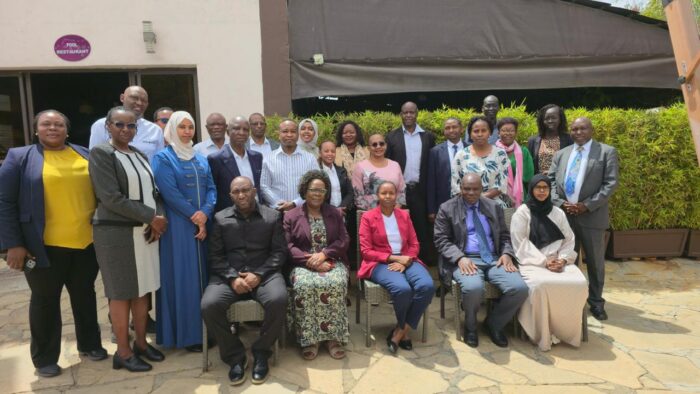
The position was validated during a regional meeting held in Machakos, Kenya, from September 29 to October 3, 2026, alongside the EAC Climate Change Strategy and Action Plan 2026–2036.
The meeting brought together representatives from EAC Partner States, the EAC Secretariat, the Lake Victoria Basin Commission, technical experts and development partners, with technical and logistical support from the German Government through GIZ.
The EAC wants the Fund for Responding to Loss and Damage to be fully capitalised and made directly accessible to national institutions. The bloc is also seeking support for both economic and non-economic losses arising from climate change.
It further wants full funding for the Santiago Network, which provides technical assistance to countries vulnerable to loss and damage, alongside stronger cooperation on disaster risk reduction and early warning systems.
The call comes as climate-related disasters continue to impose a heavy economic burden on African countries. The EAC cited the World Meteorological Organization’s State of the Climate in Africa 2023 report, which estimates that African countries lose between two and five per cent of their gross domestic product annually to climate extremes.
Some countries are also diverting as much as nine per cent of their national budgets to disaster response, reducing resources available for long-term development.
Chairing the Machakos meeting, Uganda’s Assistant Commissioner for Production and Infrastructure at the Ministry of East African Community Affairs, William Tayebwa, said a united regional position would give East Africa greater leverage in global climate negotiations.
“When we speak with one voice, we stand on firmer ground in international negotiations and in mobilising the resources our region needs,” Tayebwa said.
He said the regional climate strategy would help translate the EAC Climate Change Policy into action while guiding Partner States towards low-carbon and climate-resilient development.
The common position also seeks to address barriers that have made it difficult for countries to access climate finance, including complex funding procedures. Partner States are calling for funding processes that are transparent, predictable and efficient, as well as greater support for national institutions seeking to access climate funds directly.
The EAC is also seeking a stronger regional role in carbon markets under Article 6 of the Paris Agreement. This includes harmonised standards for measuring, reporting and verifying emission reductions and stronger safeguards for nature-based projects.
Other priorities identified by the Partner States include ecosystem restoration, particularly of peatlands and rangelands, the use of technology to improve early warning systems, and greater participation of women and young people in climate action.
EAC Environmental and Social Safeguards Specialist Dismas Mwikila, who delivered remarks on behalf of the EAC Secretariat, stressed the need for a coordinated regional position reflecting the shared climate priorities of Partner States.
GIZ, which supported the validation meeting, also pledged continued cooperation with the EAC on climate action.
Susanne Wallenoeffer, Project Manager for the EAC4Nature Project, said the validation marked the beginning of implementation rather than the conclusion of the process.
“The completion of this validation should not be seen as the end of the process, but as the beginning of the next phase, which is translating commitments into concrete actions and measurable results on the ground,” she said.
The validated COP31 Common Key Messages will be shared with the African Group of Negotiators and the Partner States’ UNFCCC focal persons to help shape the wider African position.
The EAC Secretariat will also coordinate regional side events and bilateral engagements during COP31, while the validated Climate Change Strategy and Action Plan will be submitted to the 12th Meeting of the Sectoral Council on Environment and Natural Resources for consideration and adoption.