By Mandere Onyinkwa
The Pharmaceutical Society of Kenya (PSK) has called for stronger integration of pharmacists into Kenya’s healthcare system, saying quality pharmaceutical care should be available to patients regardless of where they live.
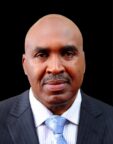
In a statement to mark World Pharmacists Day 2026 on Friday, PSK president Dr Wairimu Mbogo said the profession must be empowered with the skills, recognition, supportive policies and working environments needed to respond to the country’s changing health needs.
Also Read
This year’s World Pharmacists Day theme is “Empowering pharmacists for healthier futures.”
Mbogo said the publication of Kenya’s Good Pharmacy Practice (GPP) Standards 2026 comes at an important time as the country strengthens primary healthcare, tackles the growing burden of non-communicable diseases and pursues Universal Health Coverage.
“For the Pharmaceutical Society of Kenya, our answer begins with Article 43(1)(a) of our Constitution: every Kenyan has the right to the highest attainable standard of health,” she said.
She defended the requirement for pharmacist professional oversight at Level 3 health facilities, saying the facilities increasingly handle chronic disease care, maternal health, antimicrobial management and more complex medicines.
“The medicine must be followed all the way to the outcome. That is what pharmacists are trained to do,” Mbogo said.
She, however, clarified that the GPP Standards do not bar pharmaceutical technologists from working in Level 3 facilities.
“Superintendence is not exclusion,” she said, adding that pharmacists, pharmaceutical technologists, clinicians, nurses, laboratory professionals and Community Health Promoters all have roles to play in multidisciplinary healthcare.
Mbogo said Kenya has more than 5,600 pharmacists, although only about 2,800 currently renew their annual practice licences. She said about 400 pharmacists had recently completed internship and were progressing towards registration, while another 600 had entered internship.
She argued that the challenge was increasingly about deployment and distribution rather than the availability of pharmacists.
PSK also called for closer cooperation between the Pharmacy and Poisons Board (PPB) and county governments to tackle illegal pharmaceutical practice.
“No valid PPB licence. No Single Business Permit for a pharmacy. No operation,” Mbogo said, arguing that county business permits should not legitimise unlawful pharmaceutical outlets.
She urged pharmacists to demonstrate their value through better patient care, research, advocacy and professional practice.
“The strongest argument for the pharmacist will ultimately not be what PSK says. It will be what patients experience when a pharmacist is present,” she said.
Mbogo said the 2026 GPP Standards should be viewed as an opportunity to raise the standard of pharmaceutical care and ensure that rural location does not determine the quality of healthcare a patient receives.
“Quality healthcare is not negotiable,” she said.