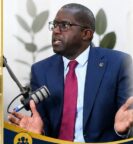
By Ongaga Ongaga
Politician Justin Muturi has criticized the presidentially appointed panel tasked with designing compensation modalities for victims of state violence since 2017.
Muturi called it a “political charade” lacking constitutional legitimacy and judicial authority.
Also Read
In a statement seen by KPC, Muturi argues that the panel’s formation bypasses existing legal frameworks and undermines the judiciary’s role in delivering justice.
“This is not about justice or accountability,” he writes.
“It is a distraction from the real work of honoring court decisions and upholding the rule of law.”
Muturi points out that Kenyan courts have already issued compensation awards to victims of state brutality, yet the Executive has failed to implement them.
He contends that the problem is not the absence of judicial mechanisms, but the government’s refusal to comply with court orders.
“The Constitution is clear on judicial independence and the obligation to honor judgments,” he notes.
Muturi also criticizes prominent civil society figures Faith Odhiambo and Irungu Houghton for lending credibility to the panel, suggesting their involvement risks legitimizing a process that is more political than constitutional.
Muturi calls for a return to structured, legally supported approaches such as truth, justice, and reconciliation commissions, which he believes offer a more credible path to healing and accountability.
He warns that without genuine commitment to the rule of law, efforts to address historical injustices will remain symbolic and ineffective.
His statement adds weight to growing calls for institutional reforms and respect for judicial authority.