By Faith Nyabuto
In the wake of shifting political allegiances, questions are mounting over the strength and independence of Kenya’s opposition.
Prominent leaders have voiced concern over the perceived weakening of the opposition, particularly following former Prime Minister Raila Odinga’s alignment with the Kenya Kwanza Regime.
Also Read
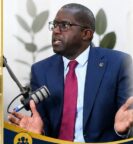
Ekuru Aukot, leader of the Thirdway Alliance, has sharply criticized Odinga’s move, arguing that it undermines the very essence of democratic checks and balances.
“We must ask ourselves: is there still an opposition in Kenya? If so, where is it and what is it doing?” Aukot posed, emphasizing the urgent need for a robust and strategic opposition to counterbalance the ruling regime.
The criticism comes amid growing frustration over political suppression and resource constraints that continue to plague opposition figures.
Aukot stressed that without a vibrant opposition, the government risks operating unchecked, eroding democratic accountability.
Other political voices have echoed Aukot’s sentiments.
Abuga Abuga and Abuga Ababio both underscored the importance of a resilient opposition in safeguarding democratic governance.
They warned that the current political climate demands not just resistance, but tactical brilliance from opposition leaders.
The debate has reignited calls for a reimagined opposition—one that is not only vocal but also agile enough to outmaneuver the ruling regime.
As Kenya navigates this complex political terrain, the role of opposition parties remains pivotal in shaping the country’s democratic future.