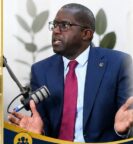
By Dan Isaac Bw’Onyancha
For over 60 years, the Kenya National Drama and Film Festival has been a breeding ground for raw talent and powerful storytelling.
From modest beginnings in colonial classrooms, it has grown into a vibrant national stage where students explore identity, justice, culture, and the state of the nation.
Also Read
School halls become makeshift theatres, teachers morph into directors and mentors, and students pour heart and soul into performances that reflect the dreams and struggles of a country.
But behind the magic is a silent crisis.
The festival survives on invisible, unpaid labour.
Teachers dip into their own pockets for scripts, costumes, and travel.
They give up holidays, time with family, and rest to guide their teams through intense rehearsals.
Students juggle academic pressures with exhausting practice schedules.
And what do they get in return?
A certificate, a handshake, maybe a mention in a circular. It’s not enough—not by a long shot.
The truth is, while the festival has evolved artistically, structurally it remains stuck in time.
There are no honorariums for scriptwriters, no royalties for composers, no structured payment for directors—even at the national level.
Yet millions are spent by government agencies and sponsors keen to be associated with the festival’s glitz.
Where does that money go? Schools still beg for transport funds, students perform in tattered costumes, and creatives walk away empty-handed.
Applause is not a reward. It’s a gesture. And gestures don’t pay bills.
“We have to stop pretending that passion is enough to sustain a creative economy.“
–Isaac Dan Bw’Onyancha
The festival, in its current form, borders on exploitation. It asks teachers and students to give everything and expects nothing in return.
This erodes morale and pushes out some of the best talents—seasoned directors walk away, drama champions go silent, and students lose mentors midstream.
Kenya’s creative pipeline is leaking, not from lack of talent, but from a lack of structure and respect.
It doesn’t have to be this way.
Way forward
We can reimagine the festival as more than a yearly ritual.
First, we need a revenue model that puts creators first.
Winning plays shouldn’t just die at the gala—they should be restaged, recorded, streamed, or licensed.
Partnerships with broadcasters and digital platforms can open new doors.
Regional encore performances can raise funds.
Directors and schools should be paid based on performance.
It’s not just about money—it’s about respect, sustainability, and professional growth.
Second, transparency must be the rule.
Let sponsors, government ministries, and organizing committees publish clear budgets and spending reports.
Let schools and artists have a seat at the budgeting table. No more backroom deals.
The festival must serve the people who make it possible.
Third, creators should own their work.
Writers and composers deserve copyright protection, royalties, and the freedom to commercialize their pieces.
That’s how you build an industry—not by taking people’s work for free, but by empowering them to grow it.
Fourth, the system must recognize that this is labour.
The Teachers Service Commission and Ministry of Education should formally recognize drama mentorship in teacher appraisals and promotion criteria.
Training colleges must include drama facilitation in their curricula.
Teachers shouldn’t have to choose between passion and career progression.
Finally, let’s create pathways for young creatives.
Scholarships, mentorships, and talent incubators can help students transition from school stages to national theatres.
Counties, cultural centres, and national institutions should provide platforms for growth, continuity, and year-round engagement.
This isn’t just about fixing a festival. It’s about honoring our storytellers, protecting our cultural future, and unlocking Kenya’s creative potential.
The drama festival is more than entertainment—it’s a national mirror.
Students use it to question power, confront injustice, and imagine new possibilities.
But if we don’t support the people behind the scenes, we risk silencing the very voices that help us see ourselves.
It’s time to move beyond applause. It’s time to pay attention—and pay up.
Creativity is not charity. It is work. Let’s start treating it that way.
To the Ministry of Education (MoE), the Teachers Service Commission (TSC) corporate Kenya, and county governments: this is a moment for bold action.
Let us build a future where a young girl in Turkana, a scriptwriter in Kisii, or a director in Kibra can believe that their art matters—not just in applause, but in livelihood.
Only then can we truly say we honour our storytellers. Only then can the curtain rise—not just on stage, but on the full dignity of Kenyan creativity.
- Bw’Onyancha is a thespian and writes on leadership and governance issues