By GPC Reporter
The Ministry of Health has begun rolling out its El Nino preparedness plan in 18 counties considered highly vulnerable to the effects of the anticipated heavy rains, even as it seeks support from partners to strengthen the country’s response.
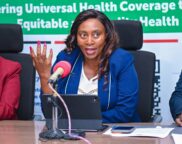
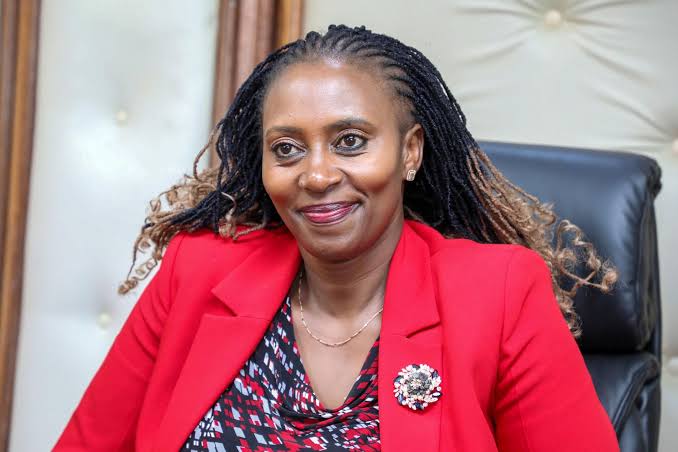
Public Health and Professional Standards Principal Secretary Mary Muthoni said the ministry was drawing lessons from previous disasters to ensure communities are better prepared for the challenges that may come with the rains.
Also Read
Speaking on Wednesday during an engagement with health partners on preparations for the Kenya Public Health International Conference (KEPHIC) 2026, scheduled for October 27–29, PS Muthoni said responding to the expected El Nino required a collective effort.
She called on partners to complement government interventions, particularly in areas where additional resources and expertise would be required to protect vulnerable communities.
Kenya experienced the effects of El Nino in 2023, when 43 counties were affected, leaving communities grappling with flooding, disruption of essential services and increased health risks.
“”The El Nino phenomenon is not new to us,” PS Muthoni said, noting that the ministry had taken time to learn from previous experiences and strengthen its preparedness.
Among the areas where the government is seeking support are the establishment of temporary medical structures, emergency medical services, health promotion and nutritional needs assessments.
Partners are also expected to support the provision of safe water and sanitation, logistical operations, security of critical infrastructure and the delivery of medical supplies to communities that may be cut off or otherwise affected by the rains.
The ministry is also preparing to distribute 10 million treated mosquito nets from November, targeting more than four million people across the country as part of efforts to reduce the risk of diseases likely to increase during the rainy season.
Beyond the immediate response to the rains, PS Muthoni said the ministry was also pursuing broader measures to improve public health and cleanliness.
She disclosed that the State Department for Public Health had prepared a Cabinet memorandum seeking approval for a national cleanliness initiative that would see a day set aside every month for Kenyans to clean their estates and surrounding environments.
The proposed programme is modelled on Rwanda’s community cleanliness initiative associated with President Paul Kagame.
PS Muthoni spoke as preparations continue for KEPHIC 2026, which is expected to bring together stakeholders to discuss emerging public health challenges and strategies for strengthening Kenya’s health systems.