By KPC Reporter
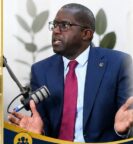
The Speaker of the East African Legislative Assembly (EALA, Joseph Ntakirutimana, has called for urgent and deliberate efforts to integrate Kiswahili and other African languages into Artificial Intelligence (AI) and emerging digital technologies.
This, he said, will ensure inclusive development and safeguard the region’s cultural heritage.
Also Read
Speaking during the 5th East African Community (EAC) World Kiswahili Language Day and the 3rd East African Kiswahili Commission (EAKC) Kiswahili International Conference in Bujumbura, Ntakirutimana said language remains a critical pillar of identity, culture and history, and should not be left behind in the rapidly evolving digital landscape.
The conference, held under the theme “Kiswahili, Multilingualism, and Artificial Intelligence,” brought together policymakers, researchers, technology experts, development partners and youth representatives from across the East African Community and beyond.
“Language is more than a tool of communication; it is a carrier of our history, culture, identity and values,” Ntakirutimana said, emphasizing that integrating Kiswahili into digital systems is essential for preserving Africa’s heritage while expanding opportunities for millions of people.
The Speaker noted that Kiswahili has continued to grow in global influence and is now spoken by more than 250 million people worldwide. He described the language as a key driver of regional integration, trade, cultural exchange and social cohesion within the East African Community.
However, he warned that many African languages remain largely absent from digital platforms due to limited language data, resources and investment.
“Without intentional interventions, millions of Africans could be excluded from the benefits of the digital revolution,” he cautioned.
Ntakirutimana stressed the need for stronger collaboration among governments, universities, language experts and technology developers to develop practical solutions that promote language inclusion in emerging technologies.
He revealed that EALA is already working closely with the East African Kiswahili Commission to expand the use of Kiswahili in parliamentary proceedings and committee activities.
The Assembly, together with the EAC Secretariat, is also exploring digital tools to support Kiswahili transcription in parliamentary Hansard reporting.
The Speaker further welcomed the conference’s focus on youth participation, saying young people will play a critical role in shaping the future of technology across the region.
“Empowering young people with digital skills and innovation opportunities will enable them to create technology solutions that advance Kiswahili while generating employment and supporting regional digital transformation,” he said.
Ntakirutimana expressed optimism that the conference would deliver tangible outcomes, including the Bujumbura Declaration and a regional roadmap to guide governments, academic institutions, technology partners and development stakeholders in promoting Kiswahili in the digital age.
In his closing remarks, the Speaker urged stakeholders across the region to ensure Kiswahili continues to thrive not only in schools, communities and public institutions, but also in the fast-growing world of Artificial Intelligence and digital innovation.
“Technology should be harnessed to strengthen African languages, preserve cultural identity and foster inclusive development across the region,” he said.