By Nyang’au Araka
A remark about cross-border marriages has turned the spotlight on a major infrastructure demand affecting communities along the Nyamira–Kericho boundary.
When Nyamira Governor Amos Nyaribo appealed to President William Ruto to support the construction of the Magwagwa–Sigowet Bridge, his reference to the crossing enabling marriages between people from the two counties attracted considerable public attention.
Also Read
Some Kenyans found the explanation amusing, while others wondered why such a seemingly ordinary social matter should feature in an appeal to the Head of State.
But behind the humour is a serious concern involving transport, safety, trade and access to essential services for communities separated by River Sondu.
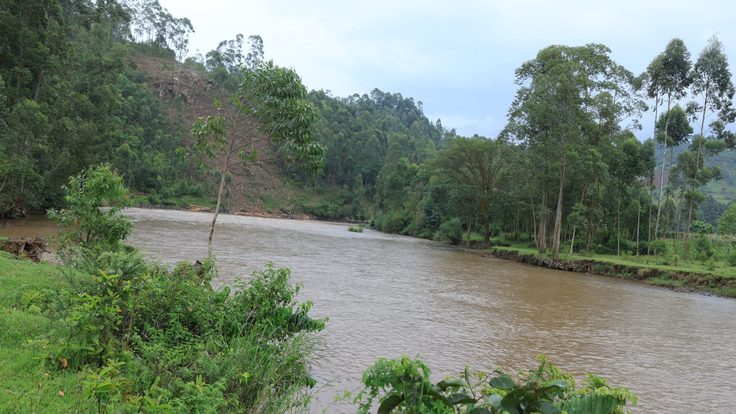
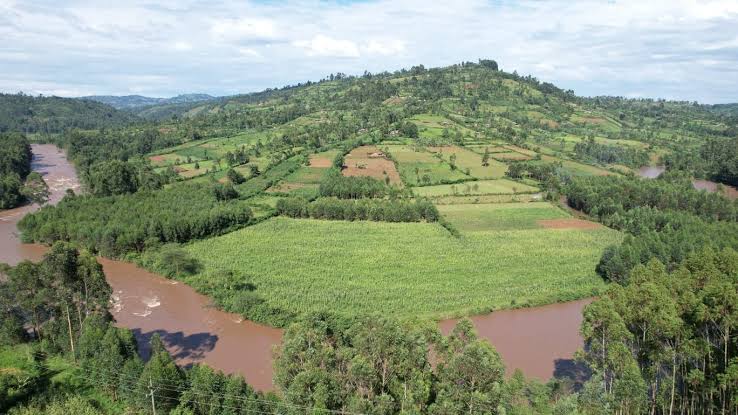
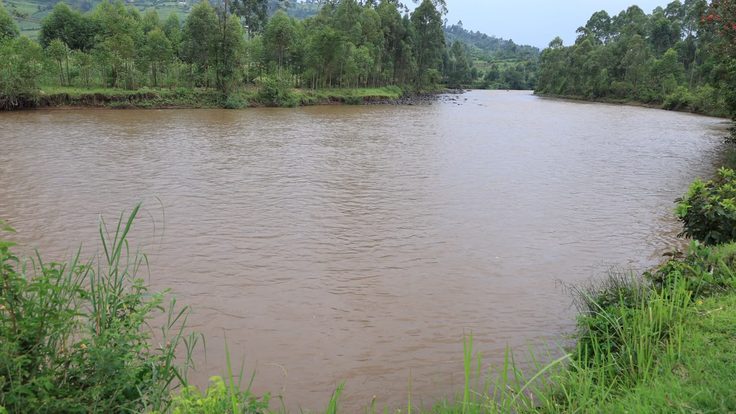
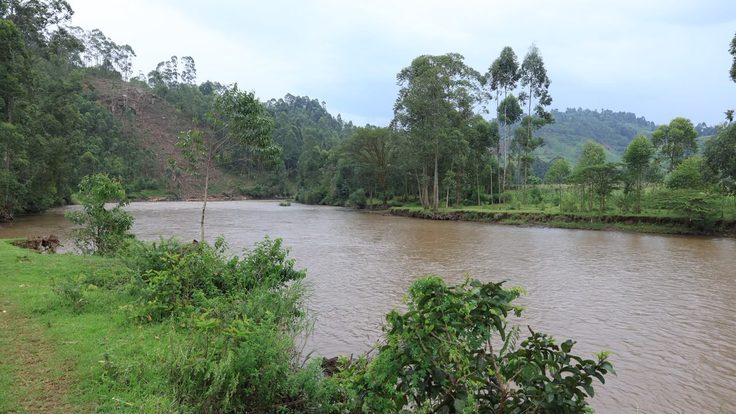
The proposed bridge is intended to connect Magwagwa in Nyamira County with Sigowet in Kericho County, providing another crossing over River Sondu, also known locally as Risonto.
The river forms part of the natural boundary separating sections of the two counties. It is a wide waterway that can become dangerous during heavy rains, when rising water levels make crossing difficult.
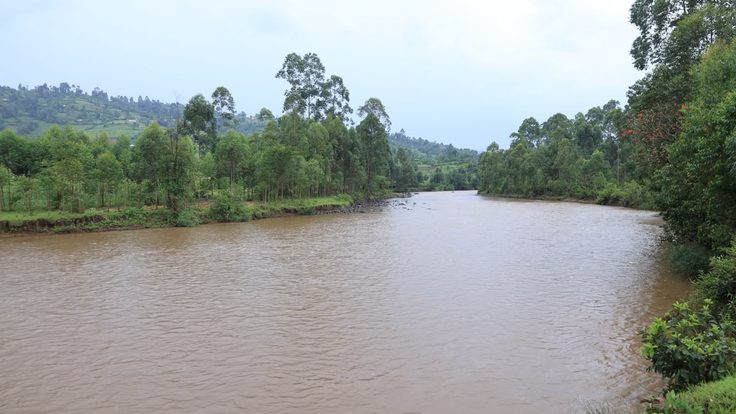
A river between communities
The landscape evokes Ngũgĩ wa Thiong’o’s The River Between, where a river separates neighbouring communities while connecting their histories, cultures and destinies.
Like the ridges of Kameno and Makuyu, the banks of River Sondu stand on opposite sides, yet their people share markets, relationships and aspirations.
The river affects how children reach schools, churches, markets, health facilities and other essential services, given that despite the fact they belong to two counties, Kenya is a one indivisible nation.
People travelling from Sotik, Bureti and Sigowet-Soin in Kericho towards Borabu and North Mugirango in Nyamira often have to use existing bridges or take longer routes to reach their destinations.
These include Sondu Bridge along the Kisii–Kisumu road, Risonto Bridge along the Kisii–Chemosit road, Ngoina Road near Roret, Cheplanget Road and Kipsonoi Bridge in Sotik.
According to a local account, the distance between Sondu Bridge and Risonto Bridge is approximately 30 kilometres. Within this stretch are villages, markets, schools, churches and police posts on both sides of the river.
Despite the proximity of these settlements, residents seeking to cross from one side to the other may have to travel several kilometres to reach a bridge. Others risk crossing the river on foot, particularly where safe alternatives are limited.
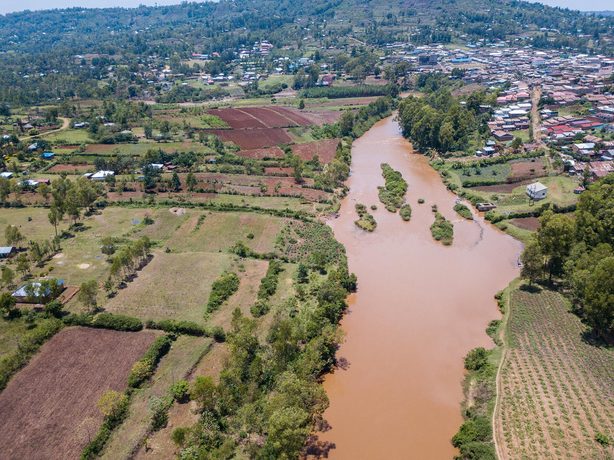
The economic cost of poor connectivity
The absence of sufficient crossing points has consequences for households, farmers and businesses.
A farmer transporting produce to a market across the river may have to take a longer route, spending more on fuel or public transport. Traders moving goods between the two counties face similar challenges.
For families, the additional journeys mean more time and money spent travelling. Students may struggle to reach schools, while patients can face difficulties accessing health facilities.
A new bridge between the existing crossings would shorten journeys, reduce transport costs and make movement easier.
It could also strengthen trade between agricultural communities in the two counties. Farmers would have better access to markets, while traders and small businesses could serve customers on both sides of the river more easily.
The benefits would extend beyond the immediate settlements, potentially encouraging investment and economic activity along the connecting roads.
Safety and community relations
River Sondu can be unforgiving, particularly during the rainy season. Residents who attempt to cross swollen waters risk being swept away, while those who avoid the river must often endure lengthy detours.
A properly constructed bridge would provide a safer crossing and improve access for emergency responders, security personnel and residents seeking urgent services.
It could also improve interaction between the Abagusii and communities on the Kericho side.
This is where Nyaribo’s reference to cross-border marriages comes into perspective. Easier movement could encourage social interaction, relationships and marriages between people from the neighbouring communities.
Although that remark has become the most talked-about aspect of his appeal, it represents only one possible benefit of improved connectivity.
The bigger issues are safety, livelihoods, access to services and the removal of barriers that have limited interaction between neighbouring communities.
The SGR connection
The proposed bridge could also complement the planned extension of the Standard Gauge Railway (SGR) towards Kisumu.
The railway project is expected to pass through parts of the wider region, with a planned station at Magwagwa. Better road connections across the river could help residents and businesses access railway facilities more easily.
Farmers and traders could benefit from improved links to passenger and freight transport networks, potentially widening their access to markets.
The extent of this benefit would depend on the final railway alignment, the bridge’s location and the quality of roads connecting the two projects.

Why national government support is necessary
Building a major bridge, together with connecting roads on both sides, requires substantial financial resources, engineering expertise and coordination.
It is therefore not a small undertaking that the affected communities or county governments can easily finance on their own.
National government intervention would be necessary, alongside cooperation between the Nyamira and Kericho administrations.
During President Ruto’s development tour of Nyamira, Nyaribo raised the bridge proposal.
The President directed Roads Cabinet Secretary Davis Chirchir to assign a team to begin planning for its construction.
The directive marks an important step, but planning, financing, construction and completion remain necessary before residents can enjoy the benefits.
Ultimately, the Magwagwa–Sigowet Bridge should not be judged by the humorous interpretation of the governor’s appeal. Its importance lies in the everyday challenges faced by people living along River Sondu.
Cross-border marriages may have provided the memorable talking point, but the bigger issue is connecting communities, reducing transport costs, improving safety and opening up economic opportunities on both sides of the river.