By Nyang’au Araka
A recent survey has found that more than half of Kenyan journalists lack permanent employment, amid widespread depressive symptoms and growing concerns over their welfare.
The findings point to a profession grappling with job insecurity, low pay, inadequate benefits and demanding working conditions, with freelancers and correspondents among those reporting higher levels of depressive symptoms.
Also Read
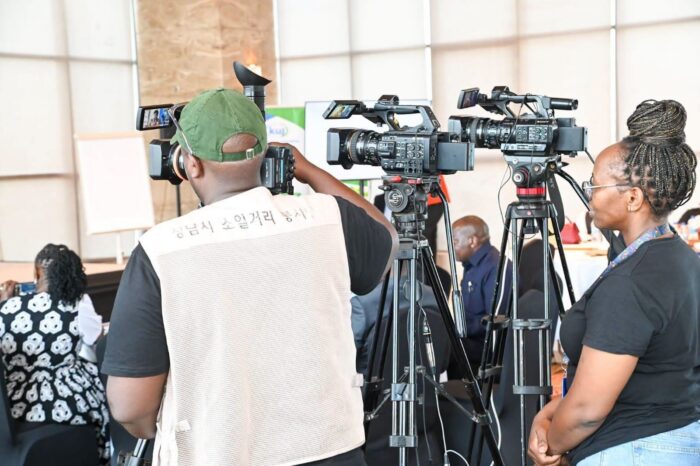
The report, The Pain Behind the Byline: State of Welfare and Social Protection for Journalists in Kenya, was released on Friday by the Kenya Union of Journalists (KUJ) and the Media Council of Kenya (MCK) during the inaugural National Day of Journalists Welfare Conference in Nairobi.
It warns that “The report describes connected pressures, not a single isolated welfare problem,” highlighting the relationship between employment arrangements, financial insecurity and journalists’ mental well-being.
Only 45 per cent of the 120 journalists who participated in the national survey were permanently employed.
The rest worked under non-permanent arrangements, including as freelancers, contributors, correspondents and interns.
The report identifies employment status as a significant welfare concern, noting that journalists outside permanent employment generally have poorer access to pay and benefits.
Their uncertain working arrangements can also leave them without the security associated with regular salaries and formal employment protection.
According to the survey, 83 per cent of respondents recorded some depressive symptoms, while 65 per cent fell within the moderate-to-severe categories.
A quarter were in the severe category.

The report, however, cautions that the Patient Health Questionnaire-9 (PHQ-9) used in the survey is a screening tool, meaning the findings indicate levels of symptoms and should not be interpreted as clinical diagnoses of depression.
Eight in 10 respondents said the symptoms made it difficult for them to work or carry out everyday activities.
Among those in the severe symptom category, 97 per cent reported difficulty doing things.
The survey found a notable difference across employment categories.
Seventy-two per cent of freelancers recorded moderately severe or severe symptoms, compared with 55.6 per cent of correspondents and 33.4 per cent of permanently employed journalists.
Low earnings were also associated with greater symptom severity, with 71.4 per cent of respondents in the severe category earning less than KSh50,000 a month.
The average monthly pay among respondents was KSh63,000, but 52 per cent earned below KSh50,000, while 74 per cent received less than KSh100,000.
About 71 per cent were dissatisfied with their salaries, and only seven per cent said they were happy with their pay.
Seventy-four per cent said their earnings had either fallen significantly or remained unchanged since 2021, while only 22 per cent had received a pay rise in the preceding year.
Forty-two per cent of respondents received no employment benefits, while 82 per cent had no allowances or bonuses.
Although 63.3 per cent had some form of medical cover, the report found that 76.7 per cent lacked personal accident or life insurance protection.
Workload and newsroom conditions further compound the challenges.
Two-thirds of respondents reported increased workloads over the past five years, while fewer than one-third had experienced an income increase during the same period.
“Two-thirds report increased workload over the last five years, while fewer than one-third saw an income increase over the same period,” the report states.
The average working day was 8.5 hours, with 18 per cent of respondents working more than 10 hours.
More than half also considered their newsrooms understaffed, while 47.5 per cent were moderately or extremely unhappy with their newsroom culture.
Despite the reported mental health challenges, access to professional support remains limited.
Only 45 per cent said their employers provided mental health support, while 40 per cent reported having no access to such services.
Just 15 per cent had sought therapy in the preceding two years.
The report identifies concerns about confidentiality, stigma, limited confidence in therapy and heavy workloads as some of the barriers preventing journalists from seeking help.
Some respondents also felt counselling could not address the underlying problems created by poor working conditions.
It recommends that media employers provide clear contracts, timely payments and fair working conditions for both permanent and non-permanent journalists.
It also calls for transparent salary structures, regular pay reviews, expanded insurance coverage and measures to address excessive workloads.
Further, it urges editors and newsroom managers to promote respectful working relationships, strengthen feedback mechanisms, respect editorial autonomy and ensure predictable schedules and adequate rest.
The report further calls on KUJ, media employers, and other stakeholders to develop minimum welfare standards, including a national remuneration policy for journalists.
The inaugural National Day of Journalists Welfare Conference also placed financial security and sustainable careers at the centre of discussions on the future of journalism in Kenya.
According to an update on Facebook, MCK, which joined industry stakeholders at the conference, said discussions focused on journalists’ welfare, financial resilience, workplace safety and the need to build sustainable careers in the media sector.
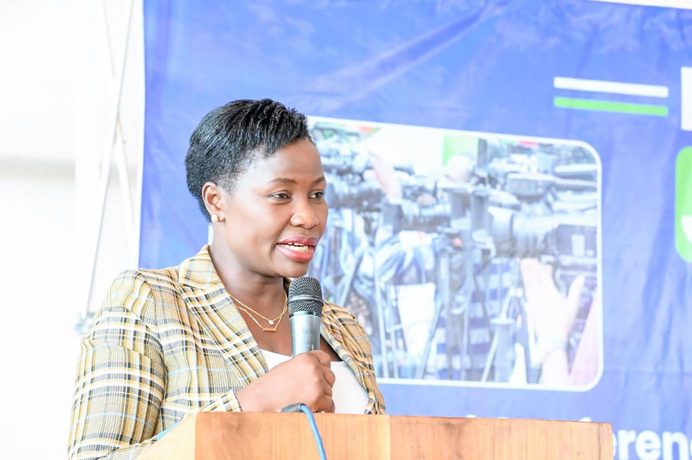
Principal Secretary in the State Department for MSMEs Susan Mangeni urged journalists to take advantage of financial empowerment opportunities and government enterprise programmes to strengthen their economic security.
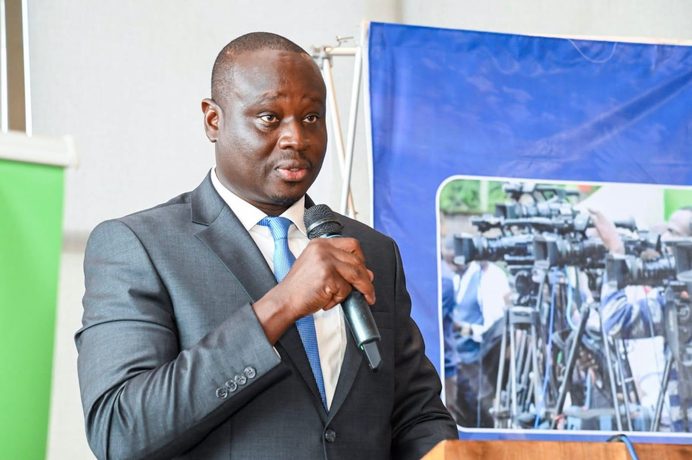
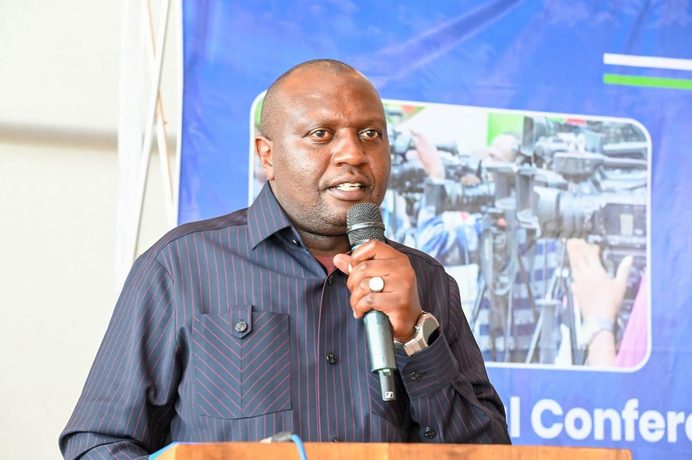
MCK Chief Executive Officer David Omwoyo challenged journalists to take greater responsibility for their financial futures, arguing that career sustainability required more than relying on employers.
“If we are to build sustainable careers, we as journalists cannot wait for institutions or employers to secure our financial futures; we must take proactive ownership of our own economic well-being,” he said.
Omwoyo identified financial literacy and economic empowerment as essential pillars in strengthening the profession, particularly as the media landscape continues to change.
However, KUJ Secretary-General Eric Oduor maintained that individual financial responsibility should go hand in hand with better working conditions and institutional support.
“We cannot talk about a vibrant, independent and sustainable media without addressing the working conditions of the men and women who make journalism possible,” Oduor said.
He argued that decent working conditions, social protection and fair opportunities were critical to safeguarding both the future of journalism and media independence.
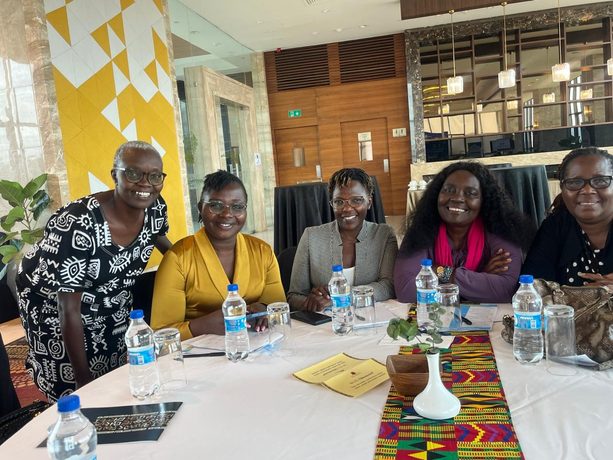
The conference brought together representatives of the Association of Media Women in Kenya (AMWIK), Kenya Editors Guild (KEG) and Retirement Benefits Authority (RBA), among other stakeholders.