By Mandere Onyinkwa
Kenyans have been urged to observe strict hygiene, avoid contact with suspected Ebola patients and report possible infections promptly as health authorities step up public awareness on the deadly viral disease.
Public health guidance issued by the Ministry of Health advises members of the public to wash their hands frequently with soap and water or use an alcohol-based hand rub containing 70 per cent alcohol.
Also Read
The public has also been warned against direct contact with the bodily fluids of anyone suspected or confirmed to have Ebola.
“Avoid direct contact with the bodily fluids of any suspected or infected person,” the advisory states.
Ebola is a severe and potentially fatal disease caused by the Ebola virus. Symptoms typically develop between two and 21 days after exposure, making it important for people who may have been exposed to seek medical attention promptly if they become unwell.
The listed warning signs include sudden fever, severe headache, intense weakness, muscle pain, sore throat, vomiting, diarrhoea and skin rash. Bleeding from body openings may also occur.
Anyone experiencing these symptoms, particularly after visiting an area affected by Ebola, has been advised to seek immediate medical attention at the nearest health facility.
The guidance further cautions against touching or washing the bodies of people who die after developing symptoms of the disease, recommending that burials be conducted by trained teams.
“Burials should be conducted by trained teams,” the advisory states.
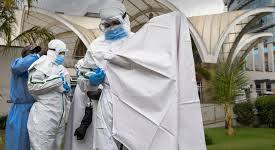
People assisting suspected patients have also been urged to use appropriate protective equipment, including gloves, masks and gumboots, while seeking immediate professional help.
The public has additionally been advised to avoid contact with potentially infected animals, including fruit bats, and refrain from consuming wild animals.
The awareness campaign provides a toll-free line, 719, for reporting suspected cases and seeking clarification or additional information about Ebola Virus Disease.
Members of the public can also dial *719# to access further information about the disease.
The guidance comes as part of efforts to improve public understanding of Ebola prevention, recognition of symptoms and the importance of early medical intervention.
Health authorities advise people who suspect they may have been exposed to the virus to seek professional medical assessment rather than rely on self-diagnosis.
Observing hygiene measures, avoiding contact with potentially infectious bodily fluids and ensuring safe handling of bodies are among the key precautions outlined in the public health advisories.