By Francis Orina
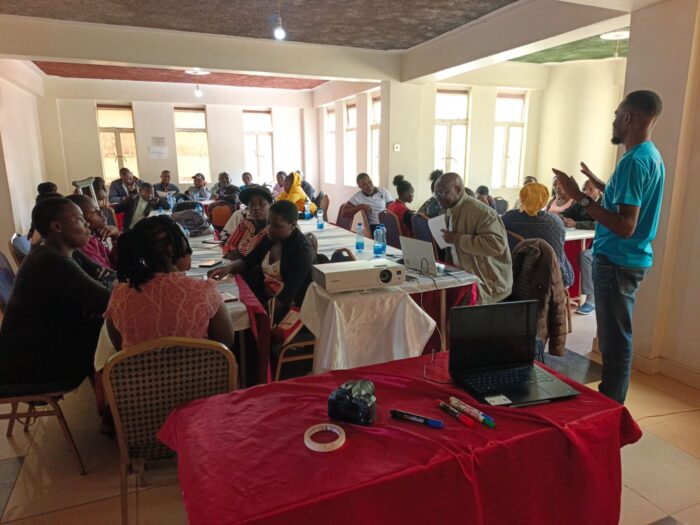
Patients and caregivers of people living with non-communicable diseases (NCDs), including sickle cell anaemia, cancer and diabetes, have called on the government to increase funding and improve access to healthcare.
The patients, speaking during a stakeholder engagement forum at a hotel in Nyamira, said the high cost of treatment, inadequate clinics, shortages of drugs and limited blood supplies in hospitals were placing a heavy burden on affected families.
Also Read
The Non-Communicable Disease Alliance Kenya (NCDAK) NDC Programmes Officer Harrison Andeko said NCDs deserved the same level of attention as HIV and malaria, which receive funding from the government and development partners.
“Just like funding from the government and partners on HIV and malaria, the governments, both national and counties, should consider NCDs because they require a huge amount of money,” Andeko said.
He called for increased commitment by both levels of government to ensure patients could access the care and treatment they need.
Patients struggle with cost of treatment
Patients and caregivers of people living with sickle cell anaemia, led by Rosemary Kombo, expressed dissatisfaction with the availability of healthcare services, medicines and blood in hospitals.
Kombo said the high cost of daily medication was a major challenge for families, particularly those whose patients require continuous treatment.
“We have patients who suffer from sickle cell anaemia and the cost of the daily drugs is very high,” she said.
She added that access to specialised care remained difficult because many of the hospitals offering the required services were referral facilities, often located far from patients’ homes.
“We also have the burden of access to healthcare because the hospitals that can offer services to our patients are mostly referral hospitals which in most cases are far, making access a challenge,” Kombo said.
The patients and caregivers also raised concerns over inadequate clinics, drug shortages and lack of blood in hospitals, challenges they said compounded the difficulties of managing sickle cell anaemia.
County pledges to improve access to care
Nyamira County Government coordinator for NCDs Dr Felistor Muma said the county was committed to improving healthcare provision and access, including through increased budgetary consideration for non-communicable diseases.
Muma said the county government was working to bring services closer to residents by expanding sub-county hospitals.
“As a county government we endeavour to provide healthcare services closer to the people. Thus we are expanding our sub-county hospitals,” he said.
He added that the county was using the County Drugs Revolving Fund to support the provision and availability of medicines in its hospitals.
“We are also cushioning our patients in provision and availability of drugs in our hospitals through the County Drugs Revolving Fund,” Muma said.
The forum brought together patients, caregivers and health stakeholders to discuss the challenges facing people living with NCDs and the need for stronger government investment in prevention, treatment and care.
NCDAK is an umbrella body involved in advocacy for patients and caregivers, prevention, control, care and rehabilitation of people living with or at risk of developing NCDs, is working in more than 33 counties to push for greater prioritisation of the diseases in health planning and budgeting.