By Janet Nyamwamu
Journalists have been urged to verify information, protect patient confidentiality and counter misinformation as Kenya responds to its first confirmed cases of Bundibugyo Ebola virus disease.
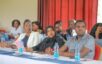
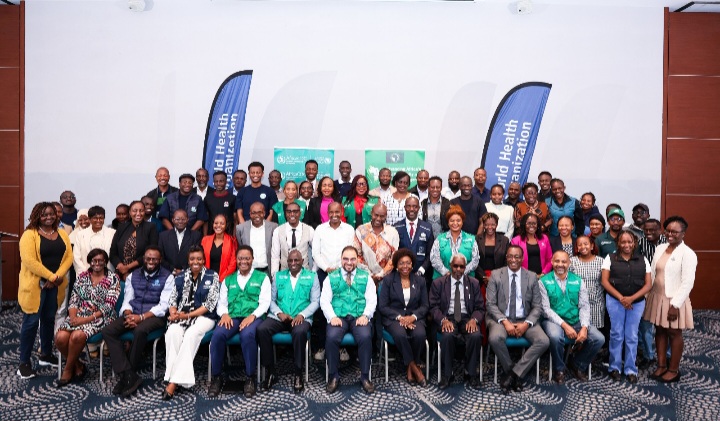
The call was made during a two-day outbreak reporting workshop organised by Willow Health Media in Nairobi on October 14 and 15, bringing together journalists, editors and public health experts to discuss the media’s role in outbreak response.
Also Read
Held under the theme Public Trust, Transparency and Collective Action in the Ebola Response, the workshop involved the World Health Organization (WHO), Africa Centres for Disease Control and Prevention (Africa CDC) and the Ministry of Health.
Willow Health Media Chief Executive Officer and Editor-in-Chief Dr Mercy Korir said credible communication was critical to containing disease outbreaks, noting that the response extended beyond hospitals to the information reaching communities.
WHO Representative to Kenya Dr Neema Kimambo highlighted the importance of accurate reporting in helping the public understand transmission risks, comply with health guidance and seek medical attention early.
Africa CDC Director of the Centre for Disease Preparedness and Response Dr Wessam Mankoula warned that misinformation and public mistrust could undermine containment efforts, drawing lessons from Ebola responses in the Democratic Republic of the Congo.
He urged journalists to verify claims before publication, avoid circulating unconfirmed reports and encourage people with symptoms to seek medical care.
Dr Martins Livinus, a member of WHO Kenya’s Emergency Preparedness and Response Team, also identified misinformation and disinformation as major threats during public health emergencies.
Patient privacy and public safety
Participants discussed the challenge of reporting rapidly evolving health emergencies without spreading fear or exposing patients and their families to stigma.
Nancy Okwengu, WHO’s Infodemics Management Officer, said social listening had helped identify public concerns requiring clear communication.
Among the fears identified was the possibility of a lockdown, illustrating how rumours can influence public perceptions before authorities issue formal guidance.
Journalists were urged to distinguish confirmed facts from speculation, use credible sources and explain what remains unknown as investigations continue.
They were also cautioned against publishing identifiable medical records, unauthorised patient images or personal details that could expose affected people to discrimination.
However, protecting confidentiality should not prevent the media from reporting verified information necessary for public safety, participants noted.
Ebola in Kenya
Kenya confirmed its first case of Bundibugyo Ebola virus disease on October 6, involving a Kenyan citizen who had been living in the Democratic Republic of the Congo.
The patient travelled through Uganda before arriving in Nairobi on October 3.
The infection was confirmed through laboratory testing, but the patient died on October 5 despite receiving supportive care.