By Nyang’au Araka
When Kenya gained independence in December 1963, the young nation faced the enormous task of introducing itself to a world where established diplomatic relationships had long been shaped by colonial powers.
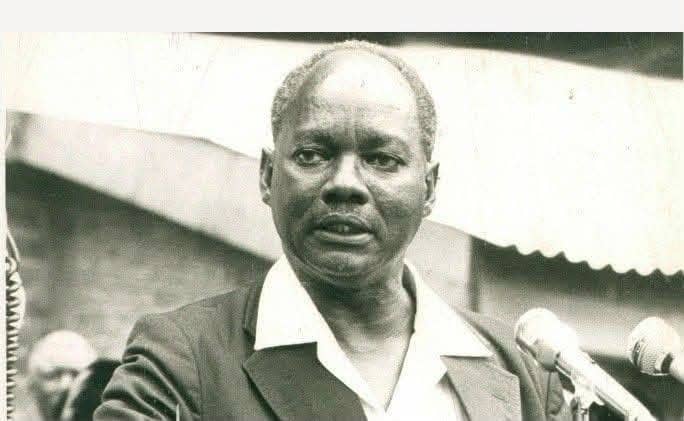
Among the men entrusted with that responsibility was Burudi Nabwera, a teacher-turned-politician whose career would take him from the classroom to the United Nations, Washington and the corridors of political power in Kenya.
Also Read
Nabwera, who died on Friday, aged 99, belonged to the generation that helped shape Kenya’s early identity as an independent state.
His life in public service spanned diplomacy, government, party politics and elective leadership, leaving him with a place in the country’s post-independence history.
His first major assignment came at a defining moment in the country’s history.
In December 1963, Nabwera became Kenya’s first Permanent Representative to the United Nations, serving in New York until September 1970.
He also became the country’s inaugural ambassador to the United States, helping establish diplomatic links with one of the world’s most influential powers.
Nabwera’s preparation for public life had begun much earlier. He attended Maseno School before proceeding to Makerere University College, where he obtained a diploma in education.
He subsequently taught at Maseno School and the African Girls’ High School in Kikuyu before studying economics at the London School of Economics, graduating in 1961.
His academic background and early experience in education preceded a career that would eventually place him among Kenya’s influential political figures.
After his diplomatic service, Nabwera returned to domestic politics, rising to become secretary-general of the Kenya African National Union (KANU), the party that dominated Kenyan politics for decades.
During the administration of President Daniel arap Moi, he also served as Minister of State in the Office of the President, occupying positions at the heart of government.
In 1988, he added another milestone to his career when he became the first Member of Parliament for Lugari Constituency following its creation.
Although he lost the seat in the 1992 general election, his connection to public service continued, including a later stint as chairman of Nzoia Sugar Company.
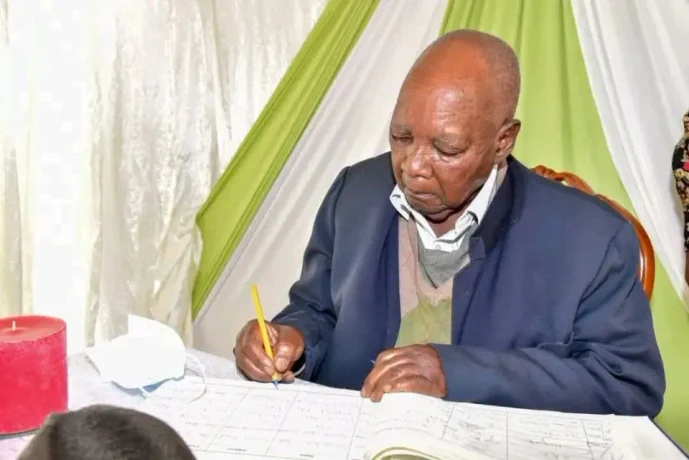
A legacy remembered by fellow leaders
News of Nabwera’s death prompted tributes from leaders who remembered his contribution to Kenya’s diplomacy and public administration.
Co-operatives and MSMEs Cabinet Secretary Wycliffe Oparanya described him as a distinguished leader who served the country with dedication and honour.
“His contribution to Kenya’s diplomatic relations, governance and national development will remain etched in our history,” Oparanya said.
Former Cabinet Secretary Eliud Owalo recalled working with Nabwera in 2008 when the veteran diplomat was chairman of Nzoia Sugar Company and Owalo was involved in developing its strategic plan.
Owalo remembered him as a leader whose experience and contribution to the institution were invaluable, describing his death as a loss to Lugari and the country.
Nabwera also documented his experiences in his 2017 book, Autobiography: Burudi Nabwera — How It Happened, preserving a personal account of a life lived through significant chapters of Kenya’s political history.